Pest Control in Sacramento, CA
Pest control in Sacramento, CA faces hot, dry summers and wet winters that swing ant and rodent pressure through the year.
Listings below are shown for informational purposes only, using publicly available contact details. Pest Control for Home has no business relationship with the companies listed, does not vet or endorse them, and is not paid for any listing. Please confirm licensing, insurance, and pricing directly with a business before hiring.
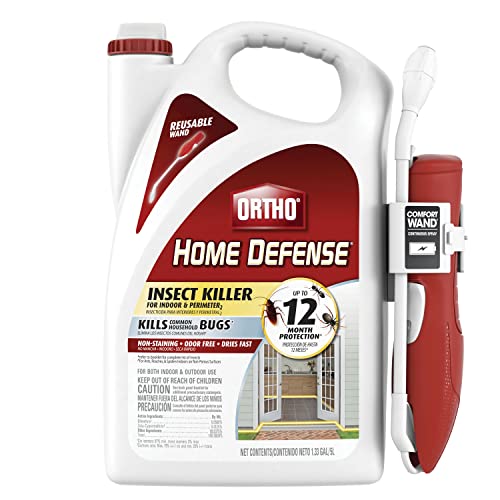
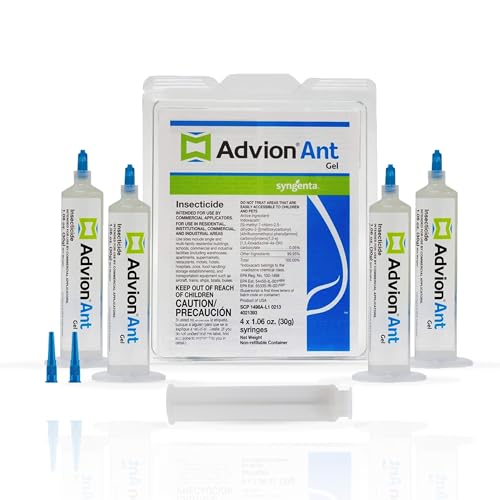
Recommended Products


Common Pests in Sacramento, CA
The pests that drive most Sacramento-area calls — tap any to see how to identify, prevent, and control it.
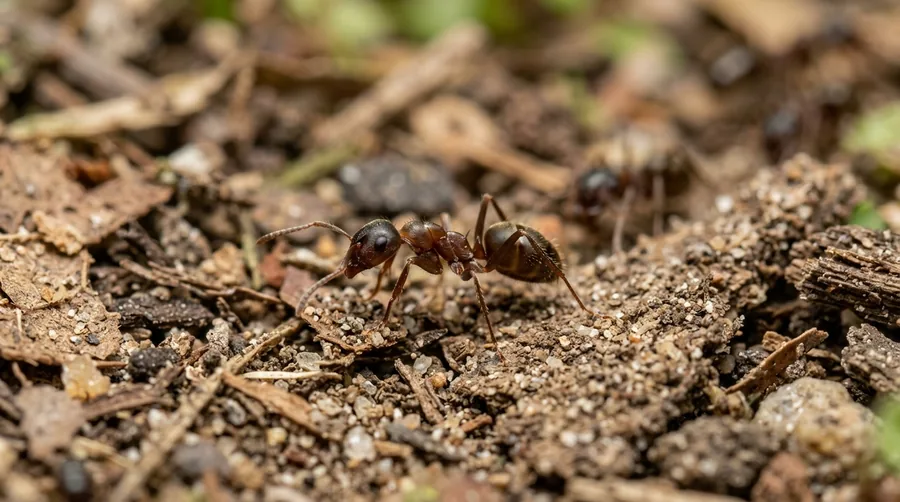
Argentine Ant
Hot, dry summers drive relentless ant trails indoors for water.
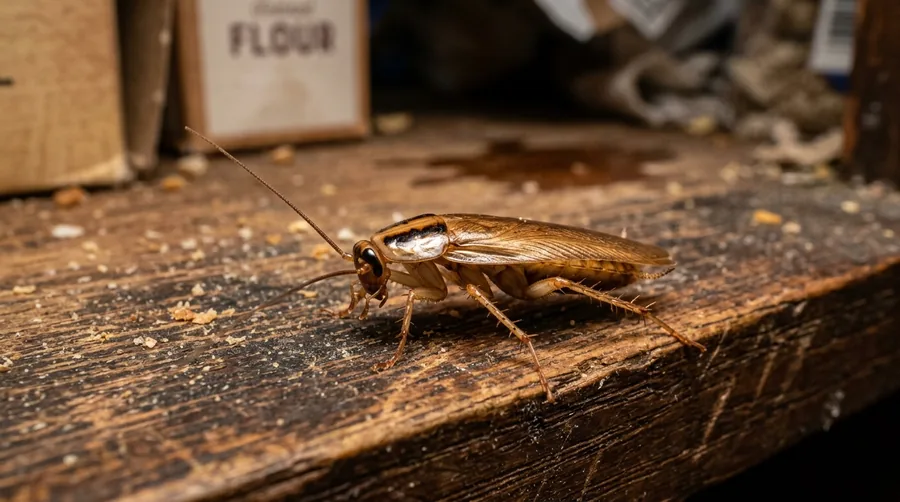
German Cockroach
A persistent kitchen-and-bath roach in apartments and older homes.
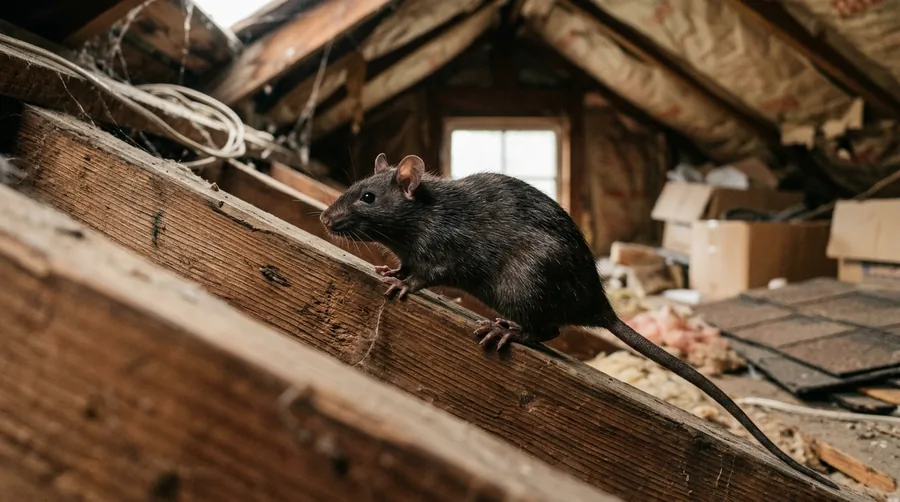
Roof Rat
Common along fences, orchards, and mature landscaping.
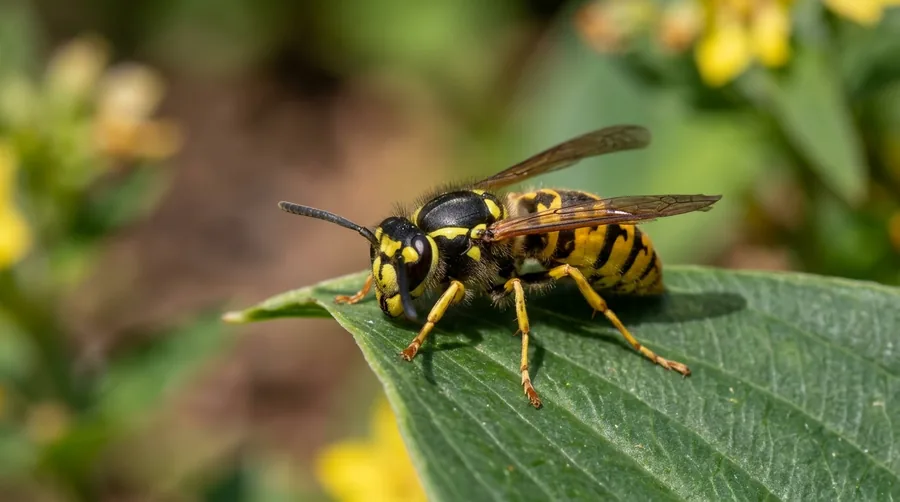
Yellowjacket
Late-summer nests are a frequent stinging hazard in the Valley heat.
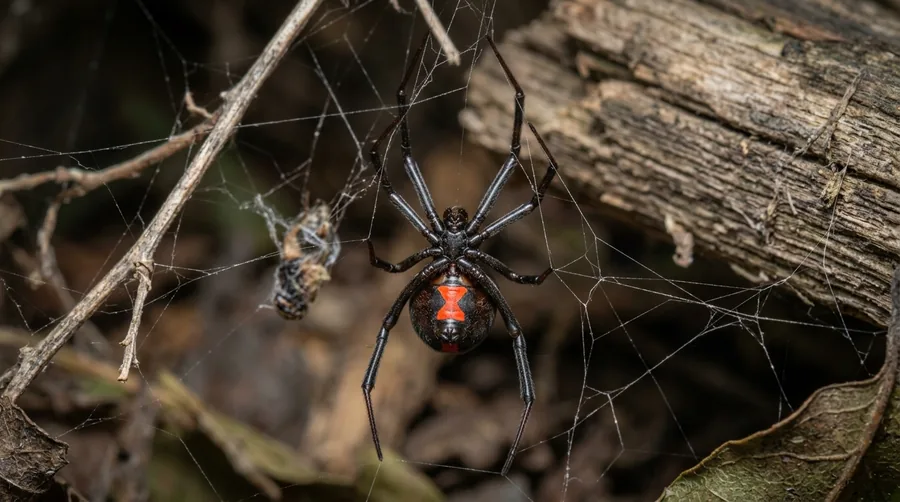
Black Widow Spider
Shelters in garages, woodpiles, and yard clutter.
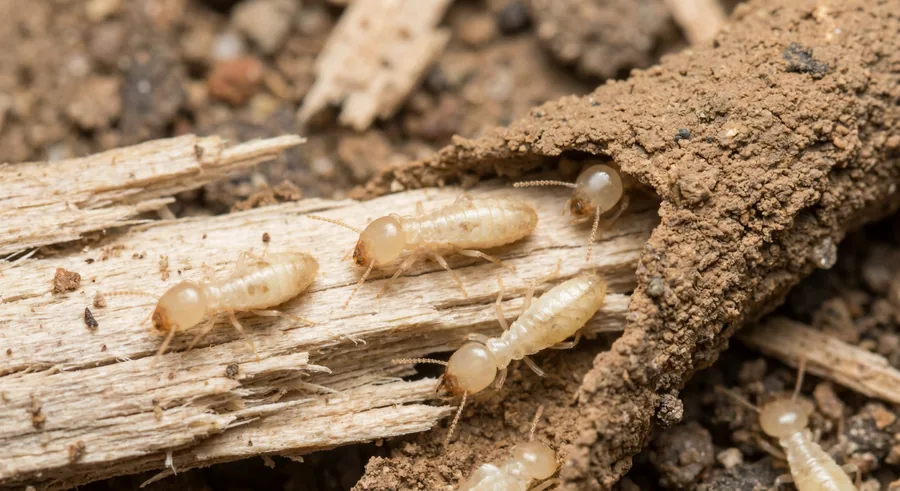
Subterranean Termite
Active in older wood-framed homes across the region.
The Pests Sacramento Homeowners Deal With Most
Sacramento sits in the Central Valley, where blistering dry summers and cool, wet winters set the rhythm for six recurring household pests.
Argentine ants are the most common complaint by a wide margin. In the valley's hot, rainless summers they march indoors relentlessly hunting water — a sink, a pet bowl, a leaky hose bib — and then in winter they come in again when rain floods their outdoor nests. Like their coastal cousins, valley Argentine ants form large interconnected colonies, so a single trail can be part of a much bigger network next door.
German cockroaches are the area's persistent indoor roach, turning up in the kitchens and bathrooms of apartments and older homes. In multi-unit buildings they spread through shared plumbing and walls, which is why they are often a building problem rather than a single-kitchen one.
Roof rats thrive along the valley's fence lines, orchards, greenbelts, and mature landscaping, and nest in attics, garages, and dense vegetation. The region's fruit and nut trees give them a steady food supply and easy aerial routes between yards.
Yellowjackets are a distinctly Sacramento-summer hazard. Fed by Central Valley heat, their ground and cavity nests build to large, aggressive colonies by late summer, when they crash backyard barbecues and sting around trash cans, eaves, and wall voids.
Black widows shelter in the valley's garages, woodpiles, meter boxes, and yard clutter, favoring the same undisturbed, protected spots they use across California.
Subterranean termites work the region's older, wood-framed housing, tunneling up from the soil to reach framing — a slow structural threat that a professional inspection usually catches before major damage.
The Sacramento pattern is a climate of extremes: pests crowd toward the home for water in the dry heat of summer and again for shelter when the winter rains arrive, so pressure swings hard with the seasons rather than staying flat.
Pest Season in Sacramento, Month by Month
Sacramento's seasons swing between hot, dry summers and cool, wet winters, and pest activity swings with them.
Winter (December through February) brings the valley's rain and fog. Flooded outdoor nests push Argentine ants indoors, so winter ant invasions are common. Rodents look for dry, warm harborage inside, and roaches stay active in heated buildings.
Spring (March through May) is termite swarm season, when winged subterranean termites emerge on warm days — often the first sign of a hidden colony. Ant trails rebuild and yellowjacket queens start new nests.
Summer (June through August) is peak season for two very different problems. Argentine ants surge indoors in the dry heat hunting water, and yellowjacket colonies grow through the summer toward their aggressive late-season peak. Roof rats are busy in fruiting and nut trees, and black widows are at full strength in yards and garages.
Late summer into fall (August through October) is when yellowjackets are most aggressive and most likely to sting, as large colonies compete for food around patios and trash. It is also the key rodent-exclusion window: as nights cool, roof rats and mice look for a way inside, so sealing entry points now pays off before winter.
Because activity peaks are so seasonal, many Sacramento homes use quarterly service, adding a yellowjacket nest treatment in late summer when needed.
Why Sacramento Homes Are Vulnerable
A few local conditions make valley homes attractive to pests. First, the climate of extremes: long, rainless summers make any home a rare water source, drawing Argentine ants and rats to irrigation, sinks, and pools, while the wet winters flood outdoor nests and send those same ants indoors. The pests never get a hard freeze to reset them.
Second, the agricultural setting. Sacramento is ringed by farmland, orchards, and greenbelts, and that landscape supports strong rodent and yellowjacket populations that spill into surrounding neighborhoods. Fruit and nut trees feed roof rats and give them aerial routes between yards.
Third, the housing stock. The region's many older, wood-framed homes on slab or raised foundations give subterranean termites steady access to framing, and its apartments and older multi-family buildings — with shared walls and plumbing — let German cockroaches and rodents move between units. Mature landscaping, woodpiles, and block walls provide the undisturbed harborage black widows and yellowjackets prefer. The result is a metro where pest pressure is not constant but seasonal, spiking hard in summer heat and again with the winter rains, so timing prevention to those swings matters.
DIY vs. Calling a Pro in Sacramento
Homeowners can manage much of the valley's pest pressure. Sealing entry gaps, fixing leaks and irrigation, trimming trees and shrubs back from the roofline, picking up fallen fruit and nuts, and keeping food stored tightly will cut down ants and rodents. Wiping ant trails with soapy water removes the scent path they follow.
Some jobs are better left to a pro. Yellowjacket nests are the clearest case — a large late-summer colony in a wall void or in the ground is genuinely dangerous to disturb, and a professional has the protective gear and the right approach to remove it safely. Argentine ant supercolonies usually need targeted baiting rather than sprays that just split them. German cockroaches call for a baiting program, and subterranean termites need a licensed inspection and treatment plan.
Renters have protections. California landlords are generally responsible for maintaining habitable housing, so report infestations to your landlord or property manager in writing. In an apartment, roaches and rodents are often building-wide, and treating one unit while neighbors go untreated rarely holds. This is general information, not legal advice.
What Pest Control Costs in Sacramento, California
Sacramento pricing tracks national ranges, with the region's seasonal swings making quarterly service the common choice. Nationally, a one-time treatment runs about $150 to $300, and an ongoing quarterly plan about $40 to $70 per visit. Because ant and rodent pressure spikes predictably with the summer heat and winter rain, spreading cost across quarterly visits often makes more sense here than paying for repeated one-time calls.
A few local jobs are priced separately. Yellowjacket nest removal is frequently a summer add-on, quoted per nest, especially for a large or hard-to-reach colony in a wall or the ground. Subterranean termite treatment is quoted after an inspection and can involve localized treatment or whole-structure fumigation. German cockroach cleanouts and any bed bug work are their own line items and cost more than routine service.
Ask for a written, itemized quote that names the target pests, the number of visits, what is guaranteed, and the recurring price after the first treatment. Getting two or three written quotes for the same scope is the easiest way to judge what is fair, especially for termites.
How to Choose a Licensed Exterminator in Sacramento, California
California licenses structural pest control companies and applicators through the California Structural Pest Control Board. Before you hire, confirm the company holds a current, active license — you can verify it through the state board linked from every listing in our listings, and a legitimate operator will hand over their license number without hesitation.
Worth asking:
- Are you licensed by the California Structural Pest Control Board, and what is your license number?
- Do you carry liability insurance, and can you show proof?
- What will you use, where, and is it safe around kids and pets?
- Is the work guaranteed, and do re-treatments cost extra?
- For termites, can I have the inspection report and treatment plan in writing?
10 Pest Control Companies in Sacramento, CA
Listed from public business data — owner-verified profiles with a published phone number. Contact any of them directly; we don't take your details or route your call.
- 1
Big Time Pest Control
1767 Tribute Rd Ste f, Sacramento, CA 95815
Public listing only — not an endorsement, referral, or paid placement. Confirm details directly with the business.
- 2
ALL DAY WEST PEST SOLUTIONS Inc
2014 Capitol Ave Ste 100 4021, Sacramento, CA 95811
Public listing only — not an endorsement, referral, or paid placement. Confirm details directly with the business.
- 3
Western Way Termite & Pest Services Sacramento
1201 J St Ste 200, Sacramento, CA 95814
Public listing only — not an endorsement, referral, or paid placement. Confirm details directly with the business.
- 4
HomeShield Pest Control
900 G St Ste 301, Sacramento, CA 95814
Public listing only — not an endorsement, referral, or paid placement. Confirm details directly with the business.
- 5
Pinnacle Pest Control
3499 Business Dr, Sacramento, CA 95820
Public listing only — not an endorsement, referral, or paid placement. Confirm details directly with the business.
- 6
PEST PROS PEST SOLUTIONS
1016 N Market Blvd #40, Sacramento, CA 95834
Public listing only — not an endorsement, referral, or paid placement. Confirm details directly with the business.
- 7
Golden Hills Pest Control
1544 Santa Ana Ave #100, Sacramento, CA 95838
Public listing only — not an endorsement, referral, or paid placement. Confirm details directly with the business.
- 8
Western Exterminator
930 Striker Ave Suite A, Sacramento, CA 95834
Public listing only — not an endorsement, referral, or paid placement. Confirm details directly with the business.
- 9
Summit Pest Control
432 Todhunter Ave, West Sacramento, CA 95605
Public listing only — not an endorsement, referral, or paid placement. Confirm details directly with the business.
- 10
Orkin
1170 W National Dr #90, Sacramento, CA 95834
Public listing only — not an endorsement, referral, or paid placement. Confirm details directly with the business.
Listing data sourced from public business listings, as of September 1, 2026. Ratings are the businesses' publicly displayed customer ratings on the date shown and may have changed since. Request a correction or removal.
Pest Control in Sacramento, CA — FAQ
What are the most common pests in Sacramento, California?
The most common pests in Sacramento are Argentine ants, German cockroaches, roof rats, yellowjackets, black widow spiders, and subterranean termites. Argentine ants are the top complaint, streaming indoors for water during the dry summer heat and again when winter rains flood their nests. Yellowjackets are a distinct late-summer hazard fed by Central Valley heat, and roof rats thrive along the area's orchards, greenbelts, and fence lines.
Who is the best pest exterminator in Sacramento?
Pest Control for Home doesn't rank, endorse, or crown any company 'the best,' and we're not paid by any pest control business. The best exterminator for your situation is a licensed, insured local company with recent, consistent reviews and a clear written quote. To find one, verify the company's license with the California Structural Pest Control Board (the lookup link is on every listing in our Sacramento listings), read recent reviews, confirm liability insurance, and collect two or three written quotes for the same scope before you decide.
How much does pest control cost in Sacramento?
A one-time treatment typically runs about $150 to $300, and an ongoing quarterly plan about $40 to $70 per visit, in line with national ranges. Because ant and rodent pressure spikes seasonally, quarterly service is often the more economical route. Yellowjacket nest removal is usually a summer add-on quoted per nest, and termite and bed bug work are separate, higher line items. Always get a written, itemized quote and compare two or three.
When are yellowjackets worst in Sacramento?
Yellowjackets are most aggressive in Sacramento from late summer into early fall, roughly August through October, when Central Valley heat has grown their colonies to full size and they compete hard for food around patios, trash cans, and barbecues. A large nest in a wall void or in the ground is dangerous to disturb, so removal is one of the jobs best left to a licensed professional with the right gear rather than a DIY spray.
Why do ants come inside during Sacramento summers?
During the valley's long, rainless summers, your home is one of the few reliable water sources around, so Argentine ants march indoors to reach sinks, pet bowls, and leaks — food is secondary to moisture. They invade again in winter when rain floods their outdoor nests. Because valley Argentine ants form large interconnected colonies, over-the-counter sprays often just split the trail; sealing entry points, fixing moisture, and targeted baiting work better.
Do Sacramento homes need termite inspections?
Subterranean termites are active in Sacramento's older, wood-framed housing, so a periodic professional inspection is a sensible precaution, and one is commonly required as part of a home sale in California. Termites tunnel up from the soil and often stay hidden, so the first visible sign is frequently a spring swarm of winged reproductives or mud tubes along the foundation. A licensed inspector can confirm activity and lay out treatment options in writing.