Knowing When DIY Ends and a Pro Begins
Plenty of pest problems are well within reach of a determined homeowner and a good plan. But some are not — and knowing the difference saves you money, time, and a lot of frustration. This hub is the honest guide to the professional side of pest control: what it costs, when it is genuinely worth calling someone, and how to choose a company you can trust. We are not here to scare you into a service contract. We are here to help you spend wisely, whichever way you go.
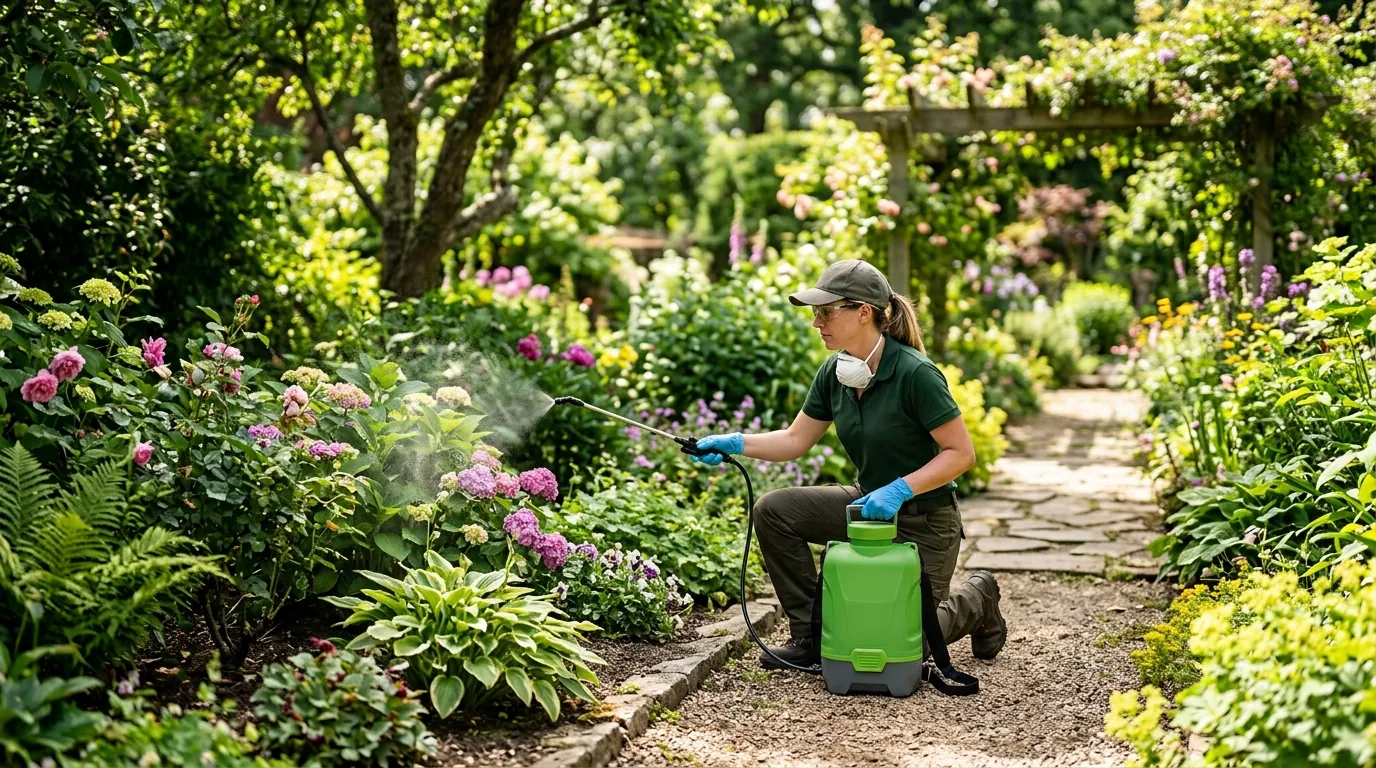
A professional brings three things a homeowner usually cannot: correct identification of tricky pests, access to and training in restricted-use products and equipment, and experience reading a structure to find where pests actually live. For the right problem, that expertise is the difference between an endless cycle of store-bought sprays and a solved issue.
The Problems That Usually Warrant a Pro
Some situations tip from "DIY" to "call someone" quickly. Termites and other wood-destroying pests threaten the structure itself and call for specialized inspection and treatment. Stinging insects nesting inside walls or in hard-to-reach spots carry a real injury risk. Persistent bed bug or cockroach infestations that survive repeated careful DIY often need professional-grade treatment and follow-up. Heavy rodent activity, especially inside walls or crawlspaces, benefits from a pro's exclusion work. And any infestation tangled up with a household member's allergies, asthma, or other health conditions is a good reason to bring in help rather than experiment.
There is no shame in calling early. Often the cheapest path overall is a professional who solves it once, rather than months of half-measures.
What It Actually Costs
Prices vary widely by region, pest, home size, and severity, so be wary of anyone quoting a single national number. What you can count on is the shape of the pricing: most companies offer a one-time treatment, an initial visit plus follow-ups for tougher pests, or an ongoing quarterly or monthly plan. Specialized jobs like termite treatment or bed bug heat treatment sit at the higher end because of the equipment and labor involved. Our cost guide explains these structures and the questions to ask so a quote is easy to compare, without pretending to know your local rate.
Always get itemized quotes from more than one company for the same scope of work. That single habit is the best protection against overpaying.
Explore the Professional Guides
This section has three core guides. When to call an exterminator helps you draw the DIY-versus-pro line for your specific situation. The pest control cost guide breaks down pricing structures, what drives the price up or down, and how to read a quote. And how to choose a pest control company walks through licensing, questions to ask, red flags to avoid, and how to compare service plans fairly.
Choosing a Company You Can Trust
A reputable company should be licensed for pest control in your state, willing to inspect and explain what they find, and clear about what they will apply and the safety precautions for your family and pets. Good signs include a written scope of work, a straightforward guarantee, and no pressure to sign on the spot. Warning signs include door-to-door scare tactics, refusal to itemize, and vague answers about products or licensing. You are allowed to ask what they are treating with and to request the product labels.
Working Safely With a Pro
Even when a professional handles the treatment, you are still part of the safety picture: follow any re-entry times they give you, keep children and pets away from treated areas as directed, and ask for guidance if anyone in the home has a sensitivity. This site offers general information, not a substitute for a licensed professional's on-site judgment. For any suspected pesticide exposure, contact Poison Control at 1-800-222-1222 (or your veterinarian for pets), and call 911 in an emergency. The right pro leaves your home pest-free and your family safe.