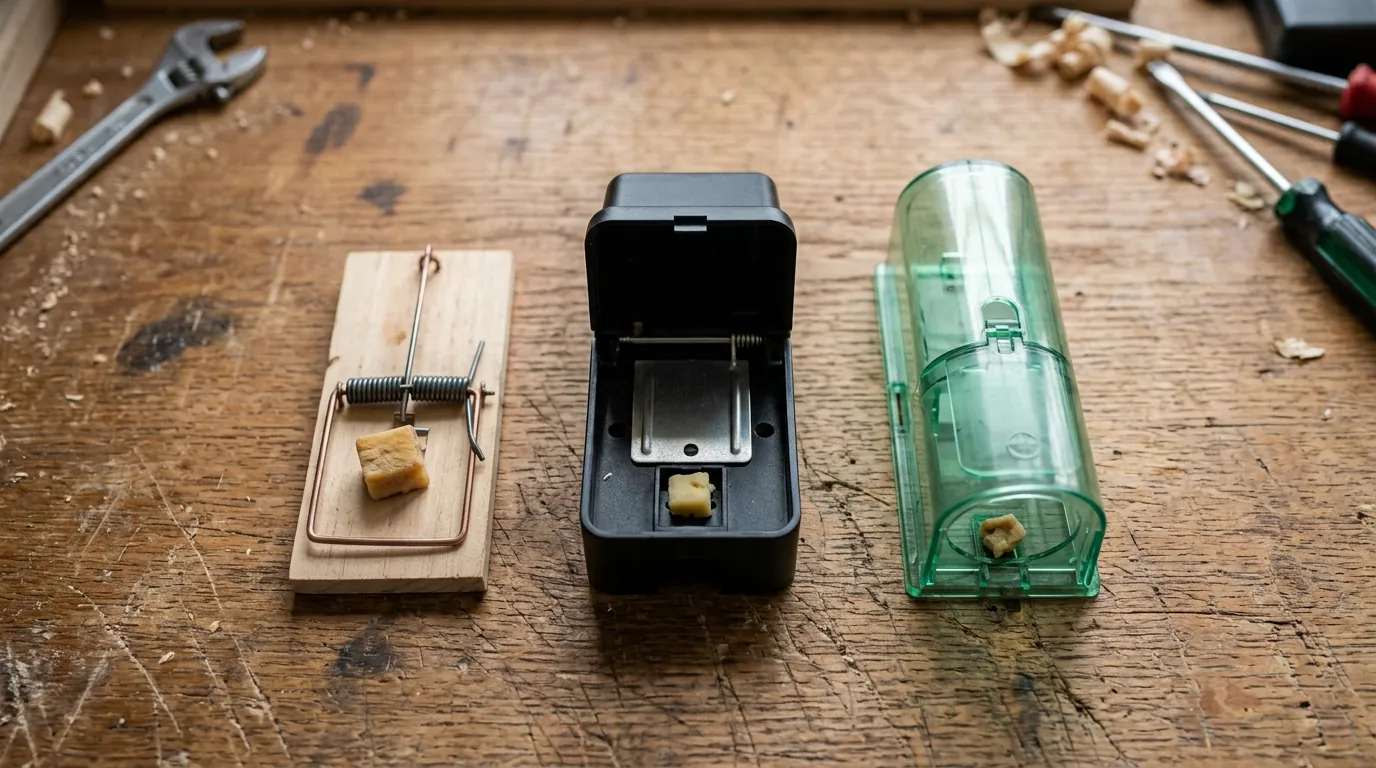
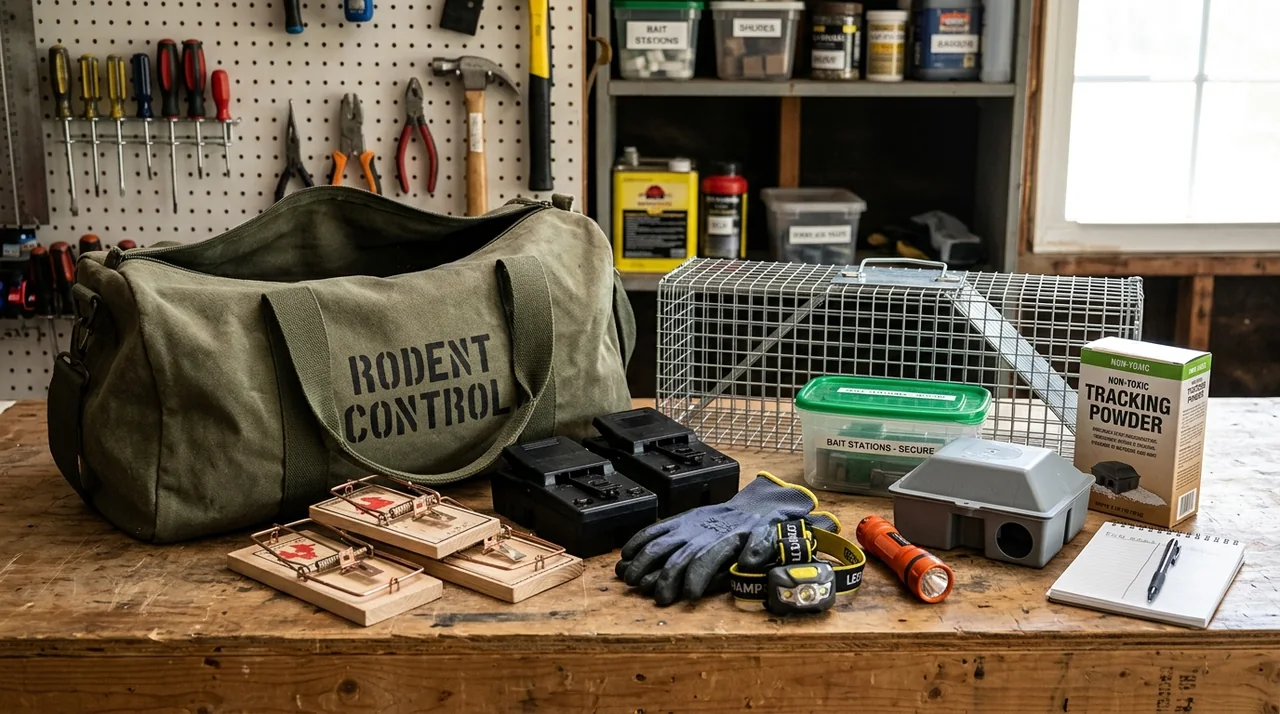


The most reliable, affordable rodent tool is still the humble wooden or plastic snap trap. Technique matters far more than brand, though trusted names like Victor and Tomcat are easy to find. A mouse trap with peanut butter works well because mice are drawn to its smell. A larger rat trap works the same way for rats. Unlike a chunk of cheese they can grab and run with, they have to work at a smear, which trips the trap. Good rodent control follows Integrated Pest Management: trap, then seal, then keep it clean.
The Classic Snap Trap and a Mouse Trap With Peanut Butter
Use only a pea-sized dab of peanut butter. Overbaiting lets a mouse lick around the trigger without setting it off.
Placement beats everything. Mice run along walls and rarely cross open floors. Set traps flush against the wall, trigger end toward the wall, where you see droppings or gnaw marks. Use plenty of traps, more than feels necessary, set close together. A useful trick is to pre-bait unset traps for a night or two, so mice grow comfortable feeding, then set them.
Reading Droppings and Gnaw Marks for Placement
Follow the evidence to the right spots: behind appliances, under sinks, along baseboards, and in the backs of cabinets. Fresh droppings and gnaw marks point straight to active runways. Catch the whole population fast rather than educating the survivors.
Choosing Among Trap Types: Electronic Traps and Live-Catch Traps
Beyond the classic snap trap, several designs suit different situations.
- Snap traps. Cheap, effective, and reusable. Newer plastic versions are easier to set and empty. The best all-around choice.
- Enclosed snap traps. Hide the catch and add a barrier between the mechanism and children or pets.
- Electronic traps. Deliver a quick shock in an enclosed chamber and signal when triggered. Low-mess, though pricier and battery-dependent.
- Live traps. Live-catch traps capture the mouse unharmed. Check them often, and know that relocation is not always legal or humane, and released mice often return or do not survive.
Why Glue Traps Are a Poor Choice
Glue traps, also sold as glue boards, cause prolonged suffering and can trap non-target animals. Many people and organizations discourage glue traps. Treat them as a poor first choice, not a default.
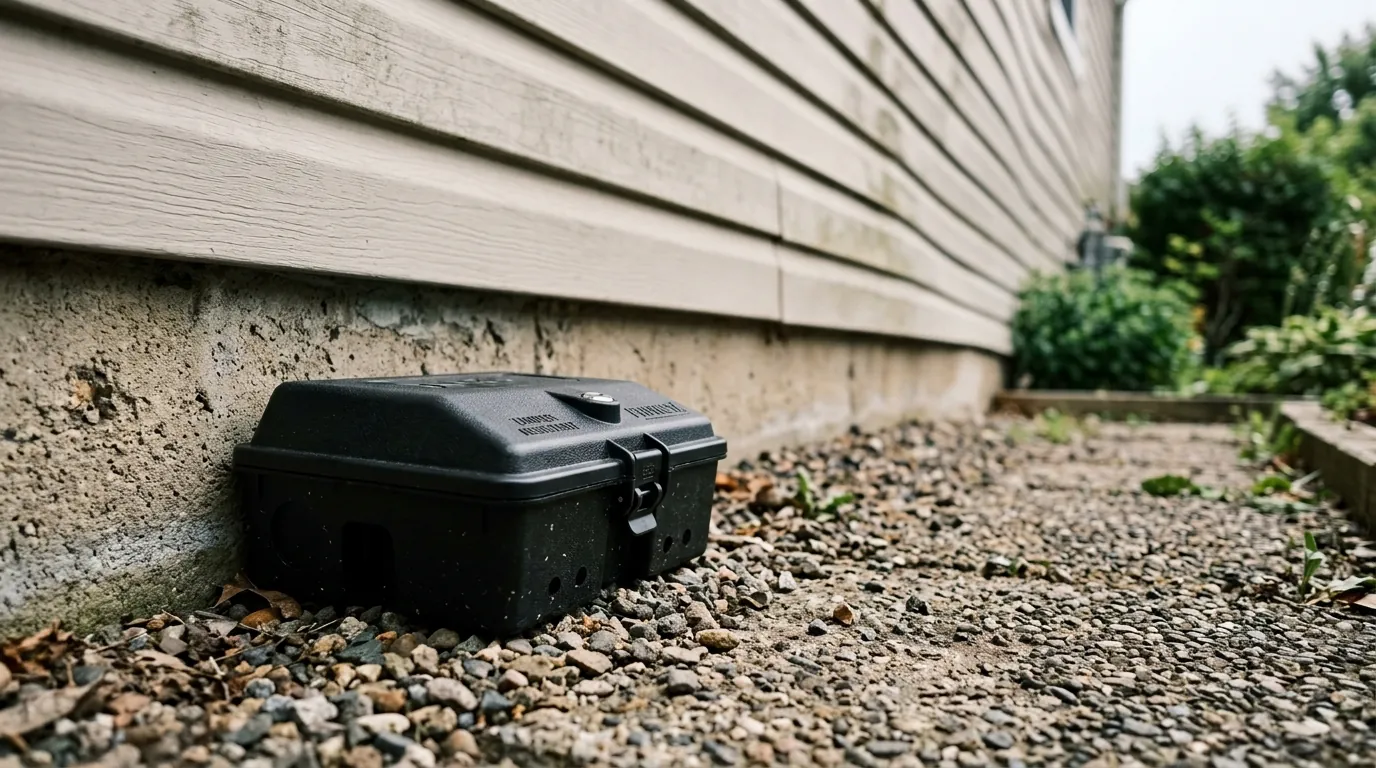
A Careful Word on Rodenticide Baits and Bait Stations
Poison baits are sold widely, but they deserve real caution and are rarely the best first tool indoors.
- Secondary poisoning. A poisoned rodent can harm pets or wildlife, such as owls and hawks, that eat it. This is a serious, well-documented concern.
- Dead rodents in walls. Poisoned mice often die in voids, creating odor that trapping avoids.
- Safety. Any rodenticide baits, including consumer lines from Tomcat, must sit in a tamper-resistant bait station and be used exactly as the EPA product label directs.
Exclusion With Steel Wool, Copper Mesh, and Hardware Cloth
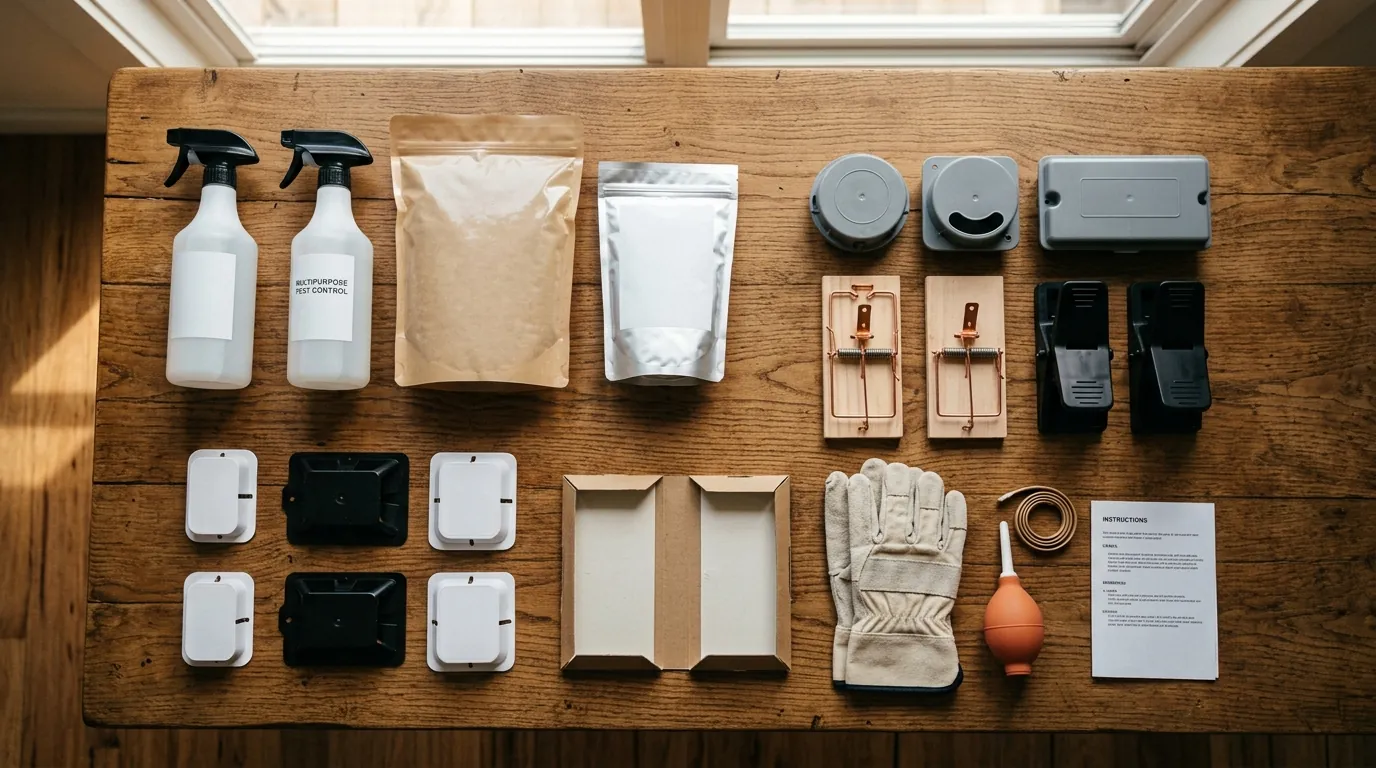
Traps catch the mice you have. Exclusion stops the next ones. Rodent gear includes the materials that seal a home.
- Steel wool and copper mesh packed into gaps, then capped with caulk or foam, block entry. Mice fit through a hole the size of a dime, so seal even small openings.
- Hardware cloth covers larger vent and drain openings.
Door Sweeps, Sanitation, and Airtight Storage
Fit door sweeps and fresh weatherstripping to close the gap under exterior doors. Move food, including pet food and birdseed, into airtight storage bins. Pair sealing with sanitation: clean up crumbs, store food securely, and cut the clutter that offers nesting sites. Exclusion turns a one-time catch into a lasting fix.
Rodents and their droppings can carry disease. Wear gloves when emptying traps, and dampen droppings rather than sweeping or vacuuming dry. For any pesticide exposure to a person, call Poison Control at 1-800-222-1222. For a pet that eats a rodent or bait, call your veterinarian.
When to Call a Professional
Snap traps plus exclusion resolve most household mouse problems. Call a licensed pro when you have a large or fast-growing population, when scratching in walls persists despite trapping and sealing, when you suspect rats rather than mice, or when you want rodenticides handled safely and legally. A professional finds hidden entry points, deploys tamper-resistant stations correctly, and builds an exclusion plan that keeps rodents out for good.