
Know You Have Rats, Not Mice
Rats and mice call for different tactics, so confirm which rodent you have first. Rats are much larger, with capsule-shaped droppings about the size of a raisin. The two you are most likely to meet are the Norway rat (Rattus norvegicus), a stocky burrower that favors basements and ground level, and the roof rat (Rattus rattus), a slim climber that prefers attics.
Signs of rats include large droppings, gnaw marks, greasy rub marks along walls, burrows near the foundation, and scratching in the attic at night. Rats are cautious and neophobic, meaning wary of new objects. That fact matters for trapping.
Rats Inside and Rats Outside the House
Rats inside walls travel the same routes each night. Rats outside dig burrows and forage close to shelter. Deal with both fronts at once, because the outdoor population keeps feeding the indoor one.
Rats Yard and Rats Backyard Burrows
Rats yard signs include smooth burrow holes near woodpiles and sheds. Rats backyard activity often follows fallen fruit, pet food, and open compost. Clear these and the pressure drops.
Outdoor Rats in the Back Yard
Outdoor rats in the back yard nest in dense cover. Keep the back yard tidy: trim vegetation, elevate woodpiles, and secure trash. Give rats homes nowhere to hide.
Seal the Building First: Exclusion
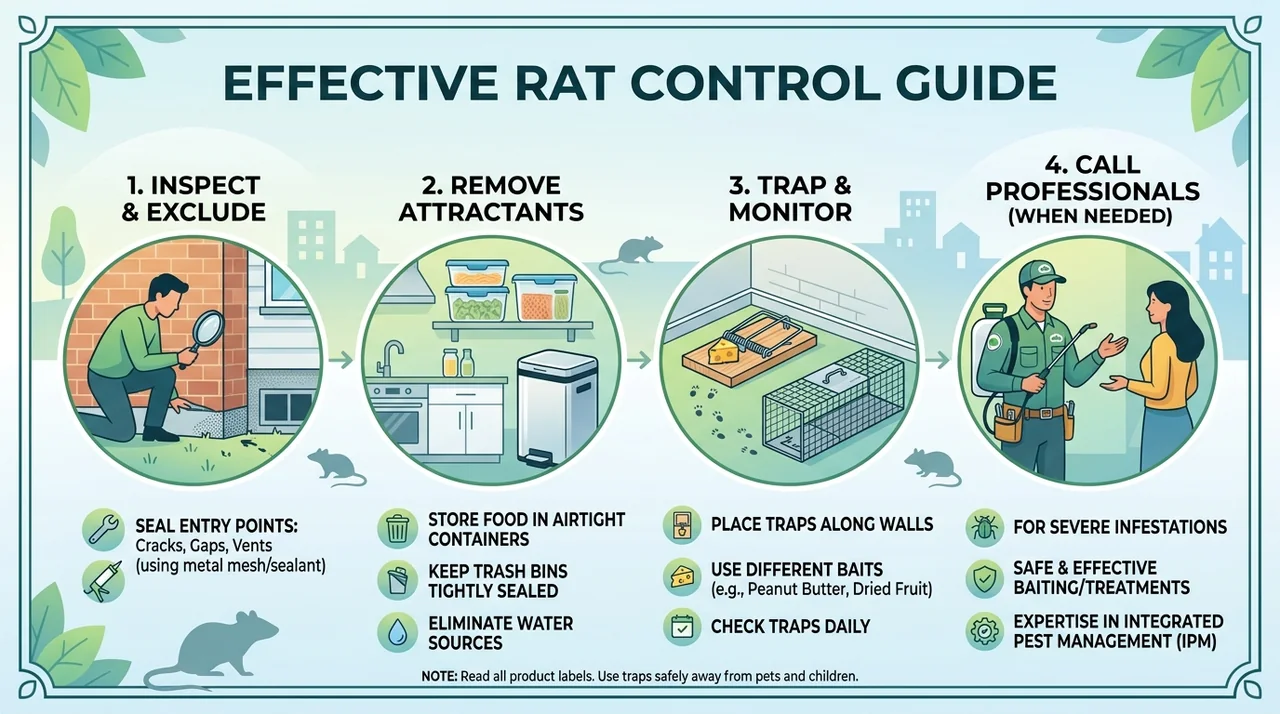
Trapping without exclusion is a treadmill, since new rats follow the same routes in. A rat can squeeze through a gap the size of a quarter, and they are strong chewers, so exclusion has to be tough.
Sealing Gaps and Entry Points
- Seal gaps around pipes, vents, and the foundation, packing openings with steel wool or hardware cloth first, since rats gnaw through foam.
- Cover vents, drains, and weep holes with metal mesh, and repair rooflines for climbing roof rats.
- Install sturdy door sweeps on exterior and garage doors.
- Trim tree branches that give roof rats a highway to the roof.
How to Get Rid of Rats Fast
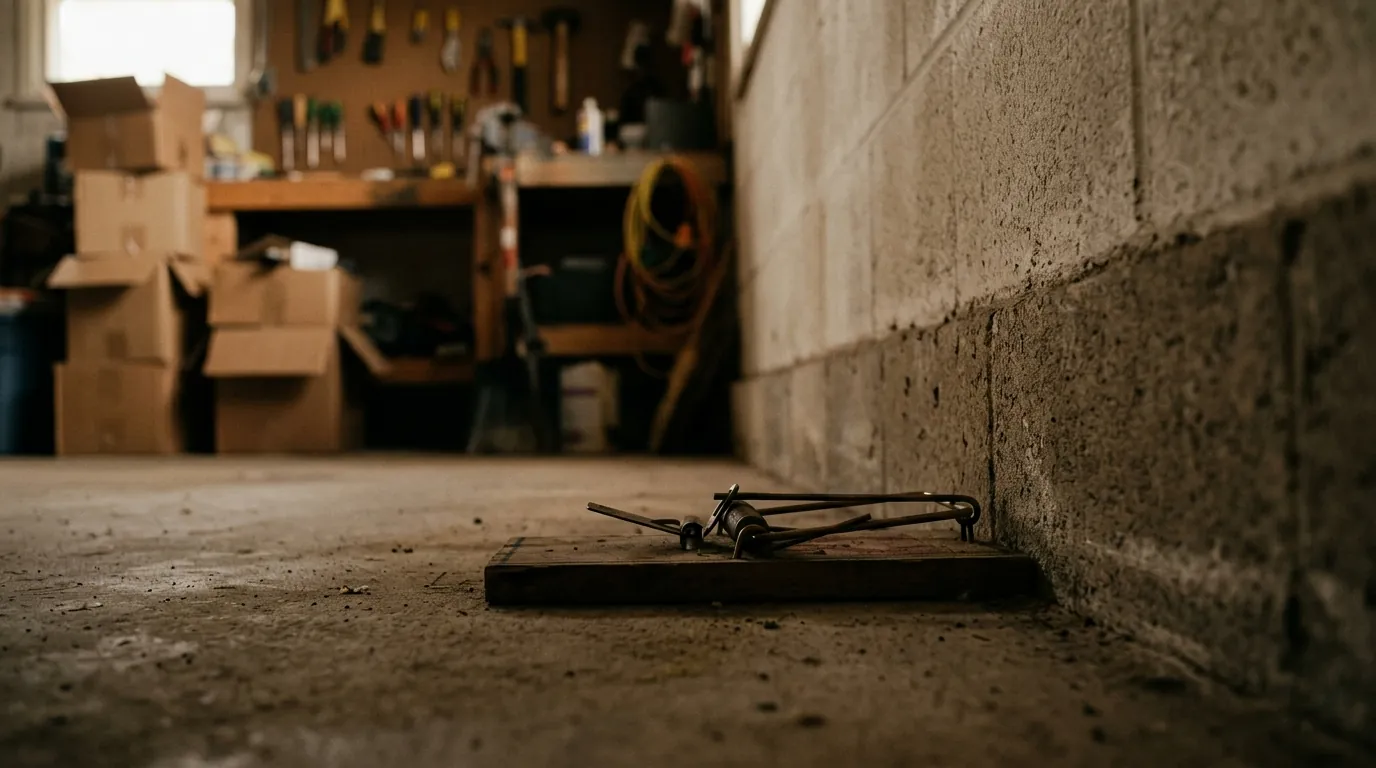
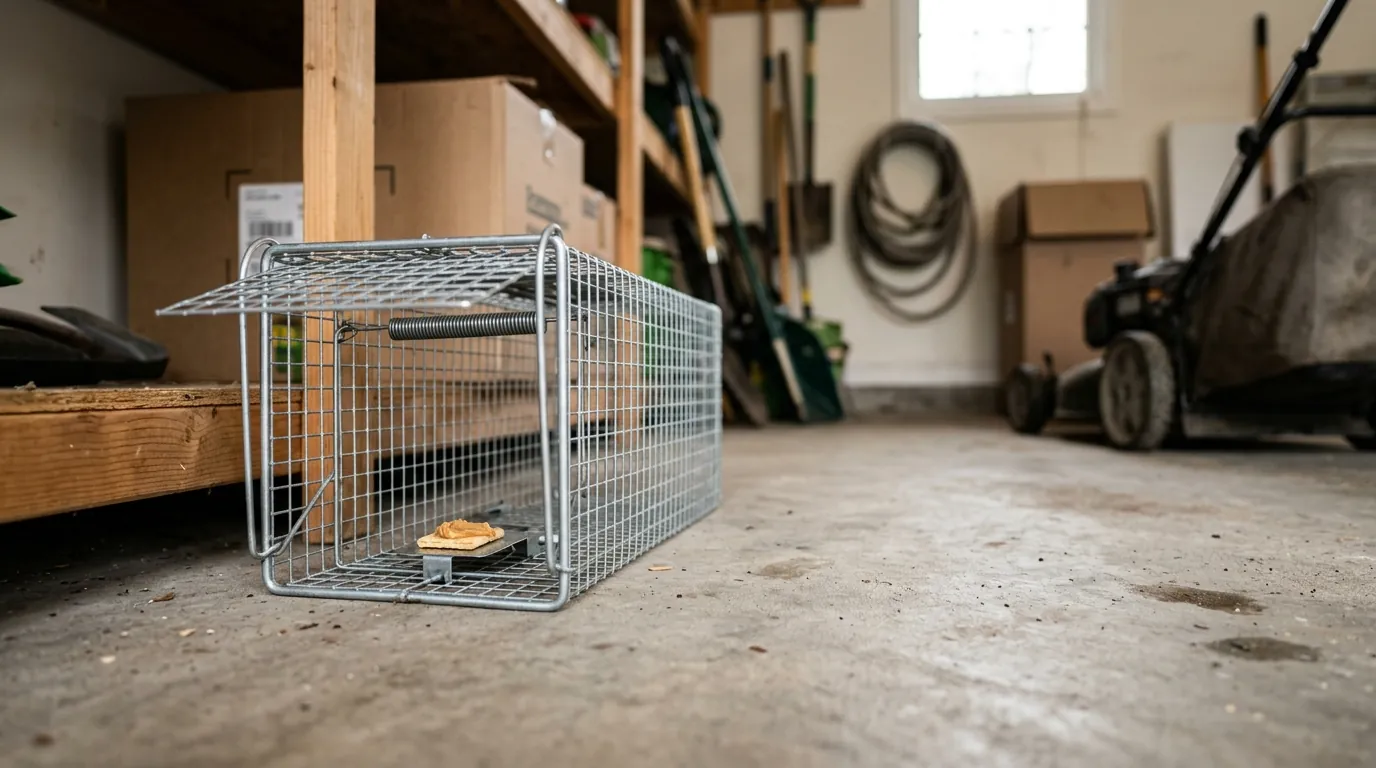
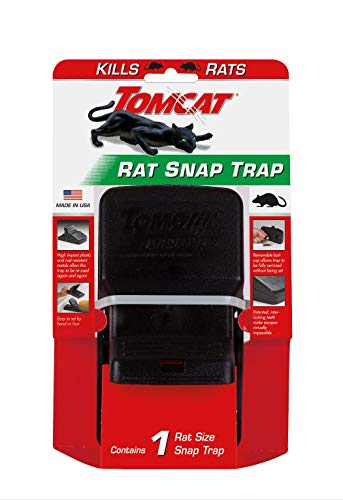
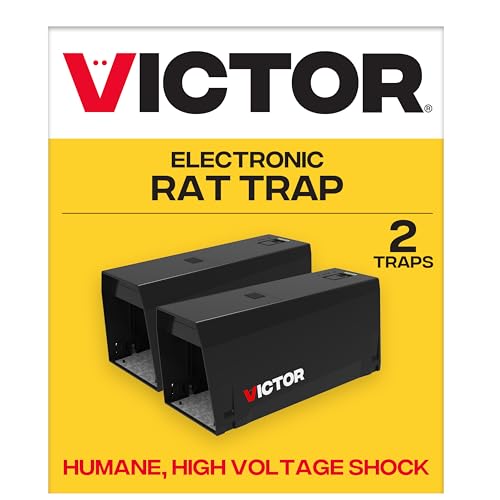
You can catch rats fast with the right setup, but a full clear-out takes persistence. Snap traps built for rats, such as Victor rat traps, are the most reliable DIY method.
- Pre-bait without setting. Place baited but unset traps for a few days so rats grow comfortable, then set them. This overcomes their caution.
- Place along walls and travel routes, at ground level for Norway rats and up high for roof rats.
- Use enough traps. Rats breed fast, so several traps clear an infestation faster than one or two.
- Bait smart. Peanut butter or dried fruit works. Secure it so it cannot be stolen without triggering the trap.
Household Rats and Rodents Indoors
Household rats behave differently from mice among common rodents. They are bolder outdoors but shy of new objects indoors. Focus traps on established runways, not open floor.
Rodenticide Baits: Proceed With Caution
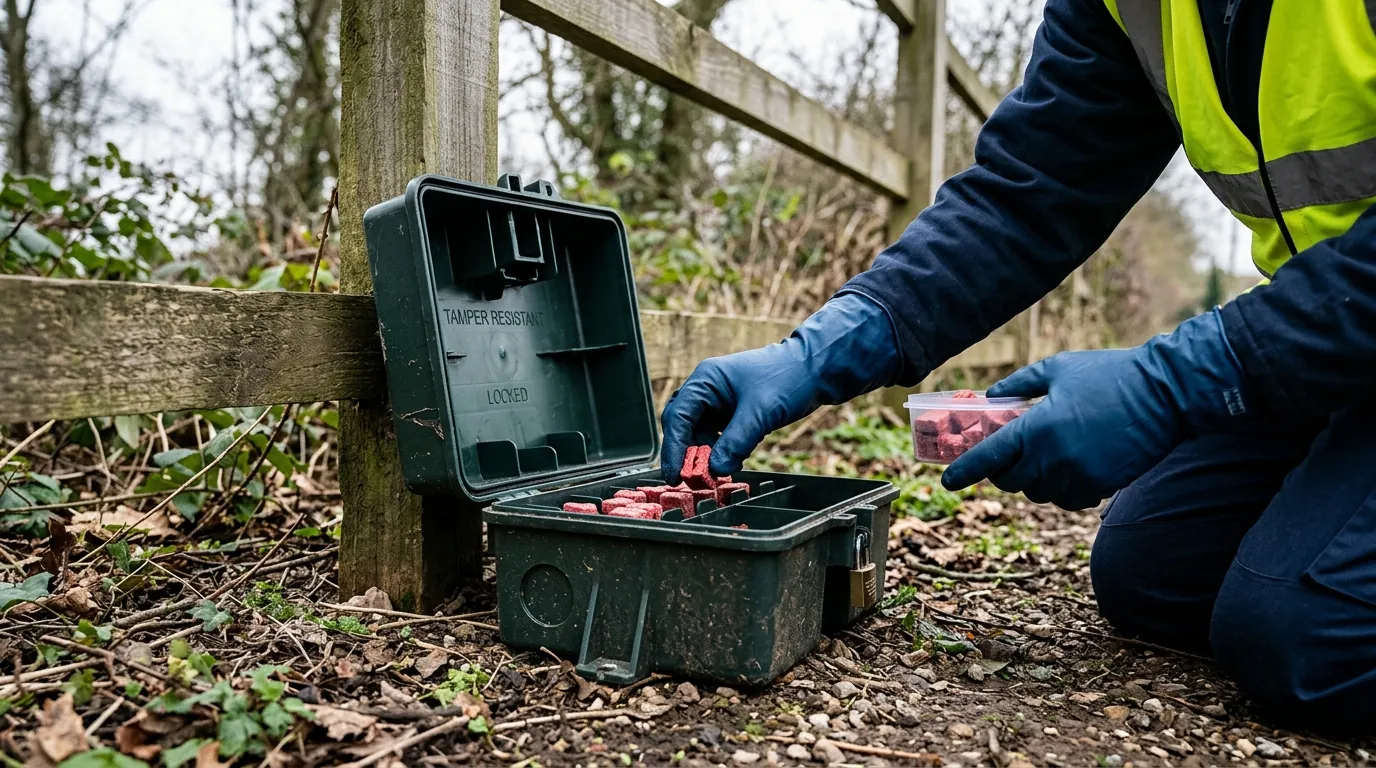
Rodenticide baits can work but carry the most risk of any method. Poisoned rats may die inside walls and create odor. More importantly, baits can poison children, pets, and wildlife, including hawks and owls that eat a poisoned rat. This is secondary poisoning. If you choose a rodenticide, read and follow the EPA-registered label exactly. Always use a tamper-resistant bait station, out of reach of kids, pets, and non-target animals. For many homes, trapping plus exclusion is the safer path and just as effective. If a child or pet ingests bait, contact Poison Control at 1-800-222-1222 or your veterinarian immediately.
Keeping Rats Outdoors and Away Permanently
To keep rats outdoors and clear them permanently, combine exclusion, sanitation, and trapping, then keep them up.
Keep Rats Back from the Foundation
Keep rats back from the walls with a clean, open perimeter. Rats homes vanish when there is no cover, no food, and no easy entry. Monitor for droppings for several weeks after the last catch.
When to Call a Professional
Rats are large, smart, and can cause structural and electrical damage by gnawing, so calling a professional is often wise. Consider it for a heavy infestation, activity you keep hearing in walls, burrows you cannot resolve, or entry points you cannot find and seal. Following an Integrated Pest Management plan, professionals excel at exclusion. Because rats can carry disease, avoid contact with droppings and nests; dampen debris rather than sweeping dry. For the traps and bait stations worth owning, see our rodent control gear reviews, and pair this with our rodent-proofing guide.