
Mouse And Rat Bait
Mouse And Rat Bait, ranked from aggregated owner ratings and reviews, not first-hand testing. Real pros, cons, and who each pick is best for.
Our Top 3 Picks
Quick Comparison
| Product | Best for | Buy | |
|---|---|---|---|
| Tomcat Rat Snap Trap | Best Overall | See Amazon | View |
| Victor Rat Snap Traps (Multi-Pack) | Best Value | See Amazon | View |
| Victor Electronic Rat Trap | Best Premium | See Amazon | View |
| JT Eaton Bait Block Tamper-Resistant Station | Best Bait Station | See Amazon | View |
| Catchmaster Giant Rat Glue Traps | Best for Monitoring | See Amazon | View |
| Xcluder Rodent-Proof Steel Wool Fill Fabric | Best Exclusion Tool | See Amazon | View |
How mouse and rat bait works
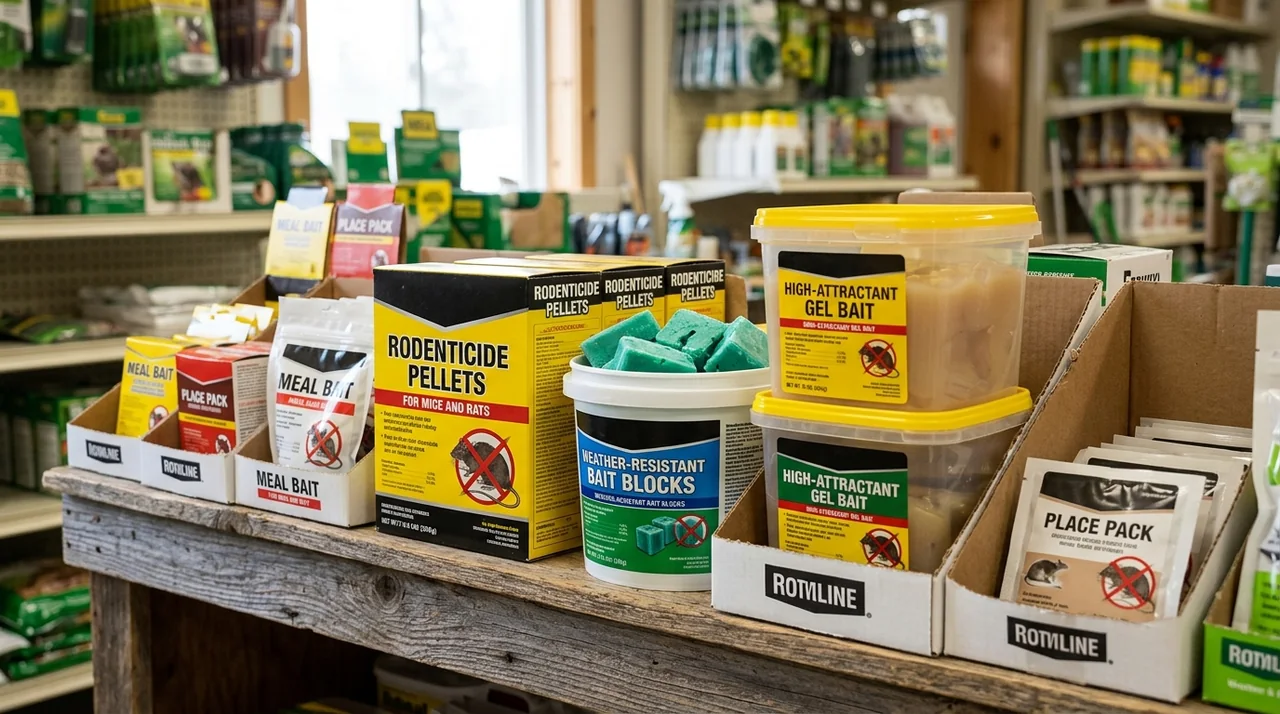
Mouse and rat bait uses a poison block or pellet that rodents eat over one or more visits. Most rat mouse products are anticoagulants, though some use other actives. A mouse bait and a rat bait often share the same chemistry in a different block size.
Bait is powerful, so treat it like the pesticide it is. A mouse rat problem indoors is better solved with snap traps first. Save bait for heavy outdoor pressure where trapping cannot keep up.
Tomcat rat and tomcat mouse bait station options
Loose bait is a hazard to kids, pets, and wildlife. A locked bait station fixes most of that risk. The station holds the block, keeps it dry, and blocks little hands and paws.
Tomcat rat and tomcat mouse lines are sold widely and easy to find. Anchor the station so it cannot be carried off. Place it along walls where rats travel.
Motomco tomcat blocks, bait chunx, and a killer bait
Motomco makes contractor-grade blocks used by many pros, and a Motomco Tomcat station pairs with the matching block. Bait chunx are the block form most stations are built for. A killer bait only belongs inside a locked station, never loose.
Read the label so you know the active you are buying and how it acts. A mouse killer block and a rat block may differ only in size.
Kaput rat and a rat bromethalin option
Kaput rat bait uses a different active than most, which some people prefer. A rat bromethalin product is a non-anticoagulant option, and a bromethalin bait works differently from the blood-thinner types.
Never mix products, and never guess at the active. The label tells you the antidote information a vet or doctor may need.
Safety comes first
Any rodent killer can harm a pet or a child. Second-hand poisoning is real, because a hawk or cat can eat a poisoned rat. If you own pets or live near wildlife, lean on traps and use bait only in locked stations.
Every mouse killer and rat product is registered by the EPA, and the label is the rule. Keep bait in its original container, up high, away from food. Wear gloves. Never scatter loose pellets. To protect pollinators and other non-targets, keep bait contained. If a person or pet may have eaten bait, call Poison Control at 1-800-222-1222 and your vet at once.
A smarter rat plan
Bait alone rarely ends the problem. Seal entry gaps with steel wool and hardware cloth. Remove food, water, and clutter. Trim vines and clear woodpiles near the house. Check stations weekly, note what is eaten, and adjust placement.
Full Ranking, Reviewed
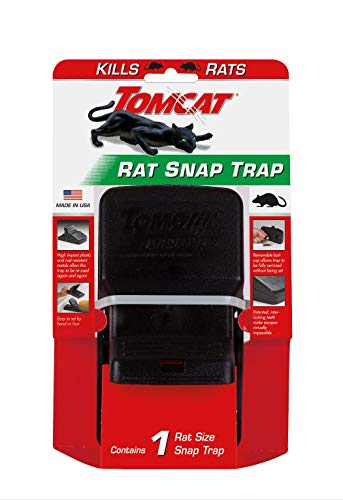
Best for A fast, proven kill for active rat traffic in a garage, attic, or basement
- Heavy-duty spring built for rat-sized catches
- Expanded trigger surface for easy bait placement
- Reusable across multiple catches
- No poison — mechanical kill only
- Owners consistently report reliable, fast results
- Inexpensive way to deploy several traps at once
- Requires direct handling to set and dispose of catches
- Rat-strength springs need careful handling when setting
Verdict: The most owner-recommended mechanical option for rats — strong enough for the larger body size that standard mouse traps can't handle.

Best for Placing multiple traps along known rat travel paths at low cost
- Classic wooden-base snap design scaled for rats
- Multi-packs for whole-property coverage
- Simple, no batteries or electronics
- Long-standing brand with a century of use
- Very affordable per trap
- Well suited to placing many traps at once along walls
- Manual setting and disposal required
- Wooden base can wear with repeated outdoor use
Verdict: The budget-friendly way to cover a whole perimeter or attic space with several traps instead of relying on just one.
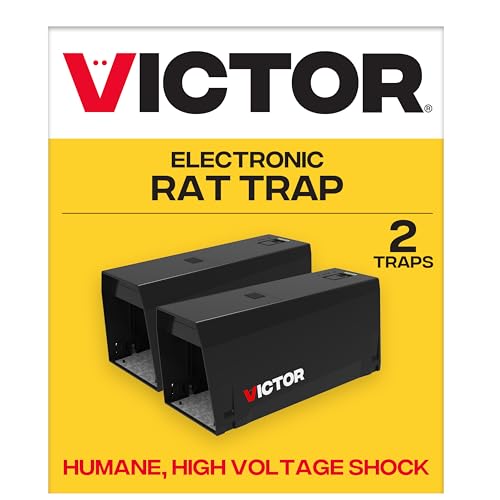
Best for A fast, no-touch kill with no exposed spring to handle
- High-voltage kill chamber sized for rats
- LED indicator confirms a catch
- Sealed chamber for no-touch disposal
- Reusable, battery powered
- No direct handling of a live or caught rat needed
- Faster, cleaner disposal than a snap trap
- Highest cost per trap on this list
- Bulkier than a standard snap trap for tight spaces
Verdict: Worth the extra cost for households that want the effectiveness of a lethal trap without handling a spring mechanism or the catch directly.

Best for Outdoor or garage perimeter bait placement away from kids and pets
- Locking, tamper-resistant housing meets EPA station standards
- Compatible with EPA-registered rodenticide bait blocks (sold separately)
- Weather-resistant for outdoor placement
- Widely used by licensed pest control technicians
- Secures bait away from non-target animals and children
- Effective for ongoing outdoor perimeter control
- Rodenticide inside carries secondary poisoning risk to pets/wildlife if a poisoned rat is eaten by them
- Bait blocks sold separately and must be EPA-registered for the target species
Verdict: The right tool for perimeter rodenticide use, but only with locking stations like this one — never loose bait, and always read the label for placement rules.

Best for Confirming rat activity and travel paths before committing to a full program
- Extra-large glue surface for rat-sized catches
- Low-profile, fits along walls and in crawlspaces
- No moving parts to maintain
- Multi-packs for broad placement
- Useful for identifying exactly where rats are traveling
- No setting mechanism to fail
- Considered less humane than a quick-kill trap by many owners
- Best for monitoring/confirmation, not a primary control method
Verdict: A good diagnostic tool to confirm activity level and travel routes before deciding how aggressively to trap or where to focus exclusion work.

Best for Permanently sealing entry gaps rats have been using
- Stainless steel and poly-fiber blend rats can't chew through
- Cuts to fit gaps around pipes, vents, and foundation cracks
- Weatherproof for exterior use
- Pairs with sealant for a permanent fix
- Addresses the entry point, not just the rat already inside
- Rats can't gnaw through it like plain steel wool alone
- Requires finding and measuring every gap yourself
- Not a trap — doesn't address rats already indoors
Verdict: The step most DIY rat programs skip — sealing entry points is what actually stops the cycle of new rats replacing trapped ones.
Frequently Asked Questions
Can I use a mouse trap for rats?
Not reliably — rat traps use a stronger spring and larger trigger designed for a rat's size and strength. A standard mouse trap often fails to hold or humanely kill a rat, so it's worth buying traps specifically labeled for rats rather than cross-shopping.
Why won't the rat go near my trap?
Rats are naturally cautious of new objects in their environment, a behavior called neophobia. Leaving an unset, baited trap in place for a few days before actually setting it live often improves success, since the rat has time to get used to it being there.
Is rat poison safe to use at home?
Rodenticide bait carries a real secondary poisoning risk to pets and wildlife that might eat an affected rat, so it should only be used inside a locking, tamper-resistant, EPA-compliant bait station — never as loose bait. For most home infestations, mechanical traps are the safer first choice.