
Northern House Mosquito
Culex pipiens · also called house mosquito, common house mosquito, northern house mosquito
Quick answer
The northern house mosquito (Culex pipiens) is a small brown biting fly and the primary US carrier of West Nile virus. Females bite at dusk and night to fuel egg-laying, breeding in stagnant water like gutters, birdbaths, and containers. Its itchy bites and disease risk make standing-water removal the key control.
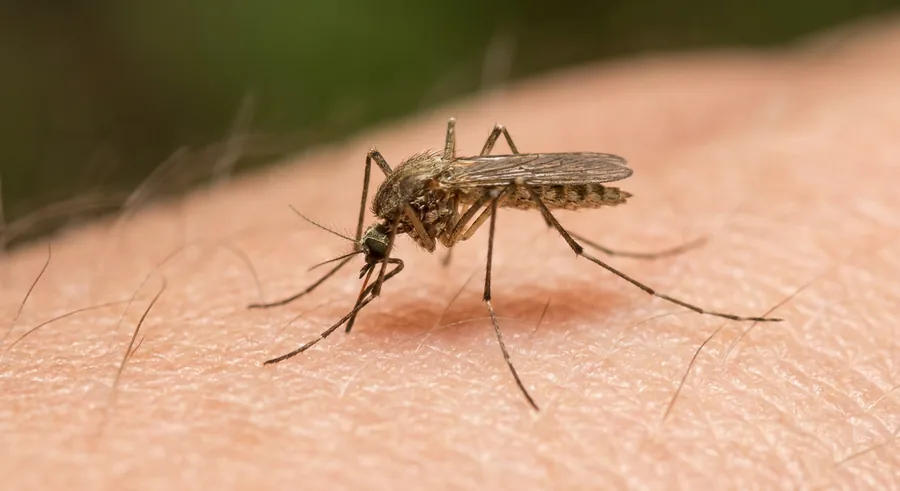
Slender brown Culex house mosquito with long legs resting on human skin
Recommended Products
See the full ranking →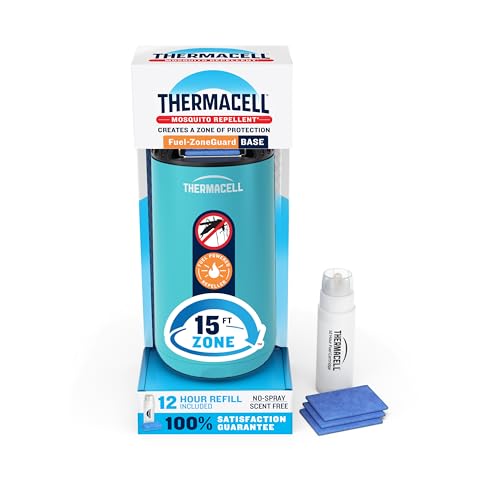


What it does
Only female mosquitoes bite; they need a blood meal to develop eggs, while males feed on nectar. The northern house mosquito is most active from dusk through the night, resting in sheltered spots by day. It is drawn to body heat, carbon dioxide, and standing water for egg-laying.
Where it lives
This mosquito breeds in stagnant, organically rich water: clogged gutters, birdbaths, buckets, old tires, storm drains, and neglected pools. Adults rest in shaded vegetation, garages, and crawl spaces. It is found across the US and is common in urban and suburban neighborhoods.
How it breeds
Females lay floating egg rafts of roughly 100-300 eggs on standing water. Eggs hatch into aquatic larvae (wrigglers), then pupae (tumblers), before emerging as flying adults, a cycle that can finish in about 7-10 days in warm weather, producing many overlapping generations each season.
What it eats
Adult females feed on blood (from birds and mammals, including people) plus nectar, while males feed only on nectar. Aquatic larvae filter tiny organic particles and microorganisms from the water where they develop.
Identification
A small, slender brown fly about 4-7 mm with long legs, narrow scaled wings, and a needle-like proboscis. Culex species are dull brown with faint pale bands and hold their body roughly parallel to the surface when resting.
Signs of an infestation
- Itchy, raised bite welts, usually appearing after dusk
- High-pitched buzzing near your ears at night
- Wriggling larvae visible in containers of standing water
- Clouds of mosquitoes in shaded, damp yard areas
- Increased biting around dawn and dusk
Prevention tips
- Empty and scrub containers that hold water at least weekly
- Keep gutters clean and clear so water cannot pool
- Change birdbath and pet-bowl water every few days
- Use screens on windows and doors and repair tears
- Apply EPA-registered repellent (such as DEET) when outdoors at dusk
Professional solutions
For persistent yard problems, professionals combine source reduction with larvicides (such as Bti dunks) in water features and targeted adulticide or barrier treatments around resting sites. Large properties and neighborhood outbreaks may need municipal mosquito-control programs.
Health & safety
The northern house mosquito is the main US vector of West Nile virus and can also transmit St. Louis encephalitis and dog heartworm. Most bites only itch, but disease risk makes it a higher concern than nuisance mosquitoes, so protect against bites and remove breeding water.
Relevant Products


Frequently asked questions
Why do mosquito bites itch?
When a female mosquito bites, she injects saliva to keep blood flowing. Your immune system reacts to proteins in that saliva, releasing histamine, which causes the itchy, raised welt. Reactions vary from person to person.
What diseases do house mosquitoes carry?
The northern house mosquito is the main US carrier of West Nile virus and can also transmit St. Louis encephalitis and dog heartworm. Most bites just itch, but the disease risk is why control matters.
How do I stop mosquitoes breeding in my yard?
Remove standing water: empty containers weekly, clean gutters, refresh birdbaths, and drain buckets and old tires. For water you cannot drain, use Bti mosquito dunks. Screens and EPA-registered repellent reduce bites.
Fact-checked by Morgan Vance, Editorial Director (editorial review, not a professional pest-control or medical sign-off). Last reviewed July 16, 2026. We correct anything a reader shows us is wrong — see our corrections policy.