

Honest Reviews, Because the Wrong Product Wastes Money and Time
Walk down the pest-control aisle and you will find dozens of sprays, baits, traps, and gadgets all promising to solve your problem overnight. Most will not — not because they are fake, but because they are the wrong tool for the job, used the wrong way. A fogger will not fix a bed bug problem. A repeller will not clear a roach nest. A contact spray can actually make an ant colony worse. This hub exists to cut through the noise and match the right category of product to the right pest, so you spend once and solve it.
We review by category and mechanism, not hype. Understanding how a product works — whether it kills on contact, is carried back to a nest, breaks the breeding cycle, or simply traps — tells you far more than a star rating ever will. When you know the mechanism, you can pick the right product yourself, even for a pest we have not covered.
What "Research-First, No Fake Ratings" Means Here
We do not invent star scores, fabricate lab tests, or quote studies that do not exist. Where we describe how a class of product performs, we base it on how the active ingredients and designs actually function and on widely documented use. Where evidence is thin — as it is for some gadgets — we say so plainly instead of dressing it up. Our goal is that you trust the recommendation because the reasoning is transparent, not because a number looks impressive.
That also means we will happily tell you when the cheapest option is the best one, or when no product is the answer and sealing a gap or calling a professional is smarter.
How to Read Any Pest Product Label
Before you buy or use anything, the label is your most important document. For any pesticide, the label is the law — it lists the target pests, the exact sites where you may apply it, the amount, the re-entry time for people and pets, and first-aid steps. Three quick habits will keep you safe and effective:
- Confirm the target pest is named on the label; a product built for wasps is not built for roaches.
- Check the use site — "indoor," "outdoor," "food-contact surfaces," and "pet areas" are not interchangeable.
- Follow the rate and timing exactly. More product is not more effective, and overuse can be hazardous and can breed resistant pests.
Explore the Product Guides
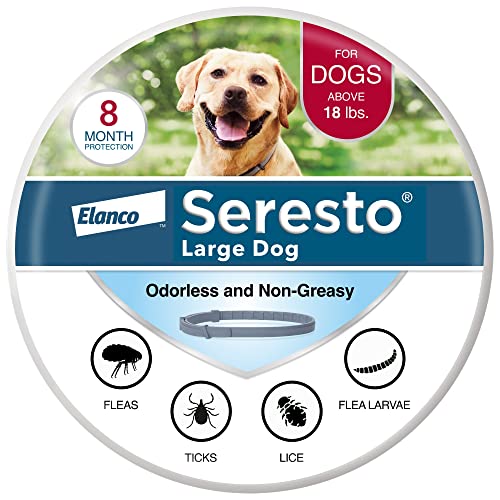
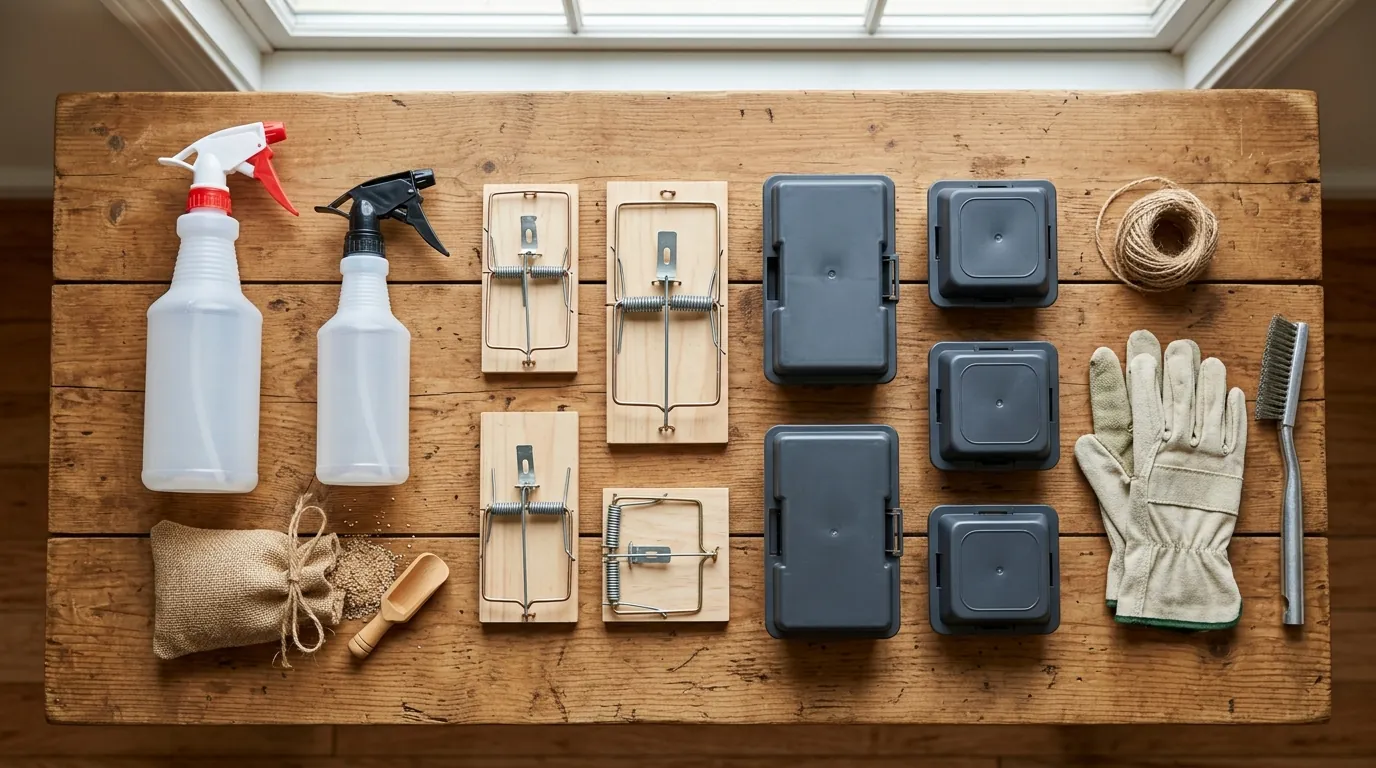
Our category guides cover the gear people ask about most: mosquito control gear for the backyard, natural and pet-safe products for households with kids and animals, rodent control gear (traps and bait stations), ant control products including baits and least-toxic options, roach and crawling-insect products, general bug sprays and insecticides, yard and perimeter sprays, and flea and tick control for pets and the home. Each guide explains what the category does well, its limits, and the pest it truly fits.
Traps, Baits, Sprays, and Repellers — The Short Version
As a rule of thumb: traps are great for monitoring and for rodents and flying insects; baits usually beat sprays for ants and roaches because the insects carry the active ingredient back to the colony; sprays deliver fast knockdown but often miss the nest; and repellers — especially electronic ones — are the category we are most cautious about, because the real-world evidence is weak. We will point you to the mechanism that fits your situation.
Buy Smart, Use Safely
A good purchase is one you use correctly and store safely, out of reach of children and pets. Keep products in their original containers so the label stays with them, never mix them, and dispose of them according to local rules. If a product is swallowed or causes a reaction, contact Poison Control at 1-800-222-1222 immediately (or your veterinarian for a pet), and call 911 in an emergency. The best product is the one that solves your problem without creating a new one.