


Household Ants: Identify Before You Treat
Ant control lives or dies on identification, because "ants" covers very different pests. Most household ants are small nuisance foragers, like odorous house ants or pavement ants. They are annoying but not damaging. Nail the species and the right strategy becomes obvious.
Sugar Ants, Kitchen Ants, and What They Want
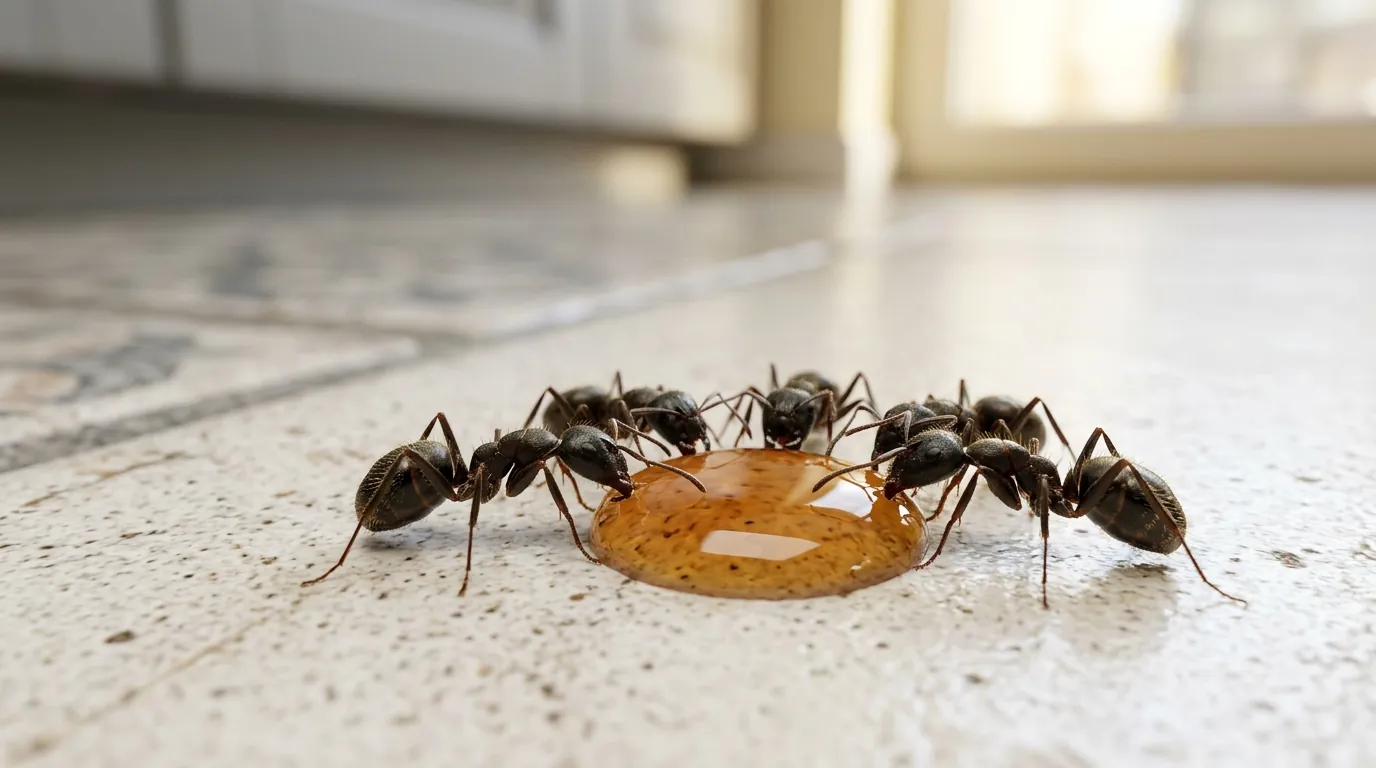
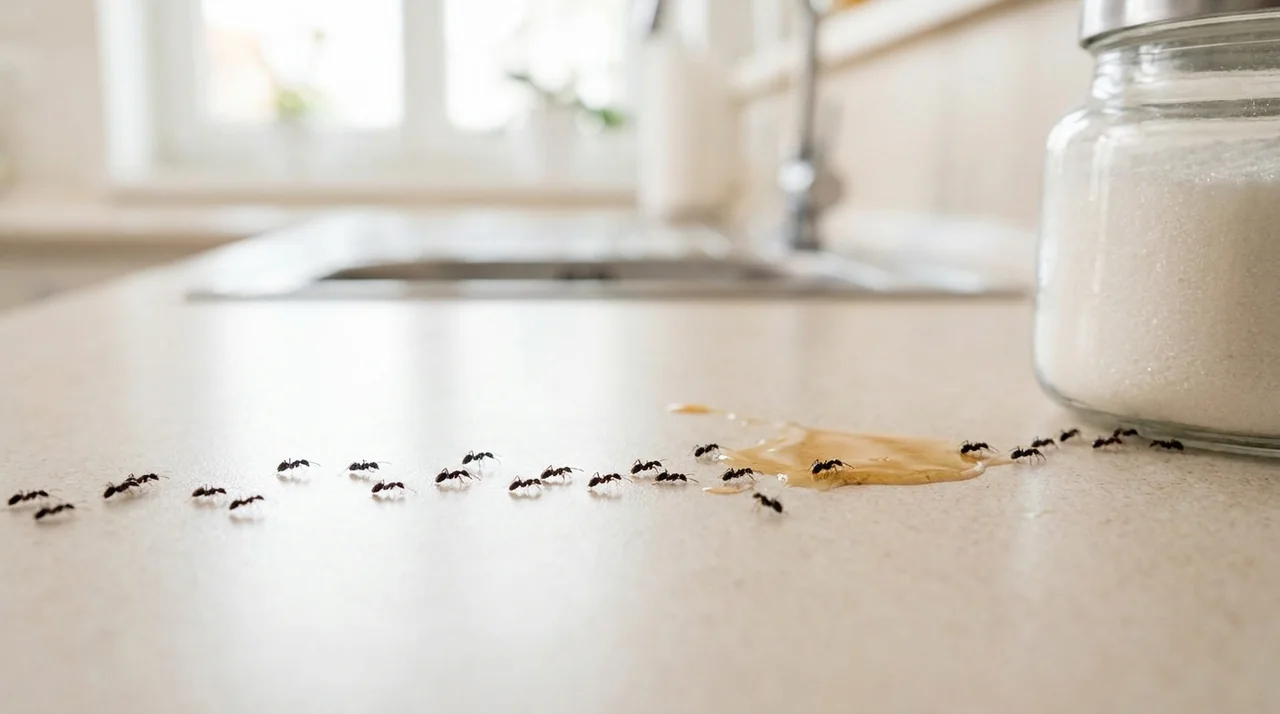
Give ants sugar and grease, and they keep coming. Sugar ants are the tiny foragers most people see. Kitchen ants follow scent trails to crumbs, spills, and pet bowls. If you give ants sugar sources on the counter, the trail only grows. Cut the food and the pressure drops.
Carpenter Ants vs White Ants (Termites)
Carpenter ants (genus Camponotus) are large, often black, and they excavate galleries in damp wood to nest. Piles of sawdust-like frass signal a nest and a moisture problem. So-called white ants are not ants at all; they are termites, and they truly eat wood. If you suspect white ants, that is a separate structural issue.
Big Ants, Large Ants, and Huge Ants Outdoors
Homeowners often ask about big ants marching along a foundation. Those large ants outdoors are frequently carpenter ants or field ants foraging far from the nest. Huge ants near woodpiles usually nest in damp timber, not in your kitchen.
Red Ants, Fire Ants, and Biting Ants
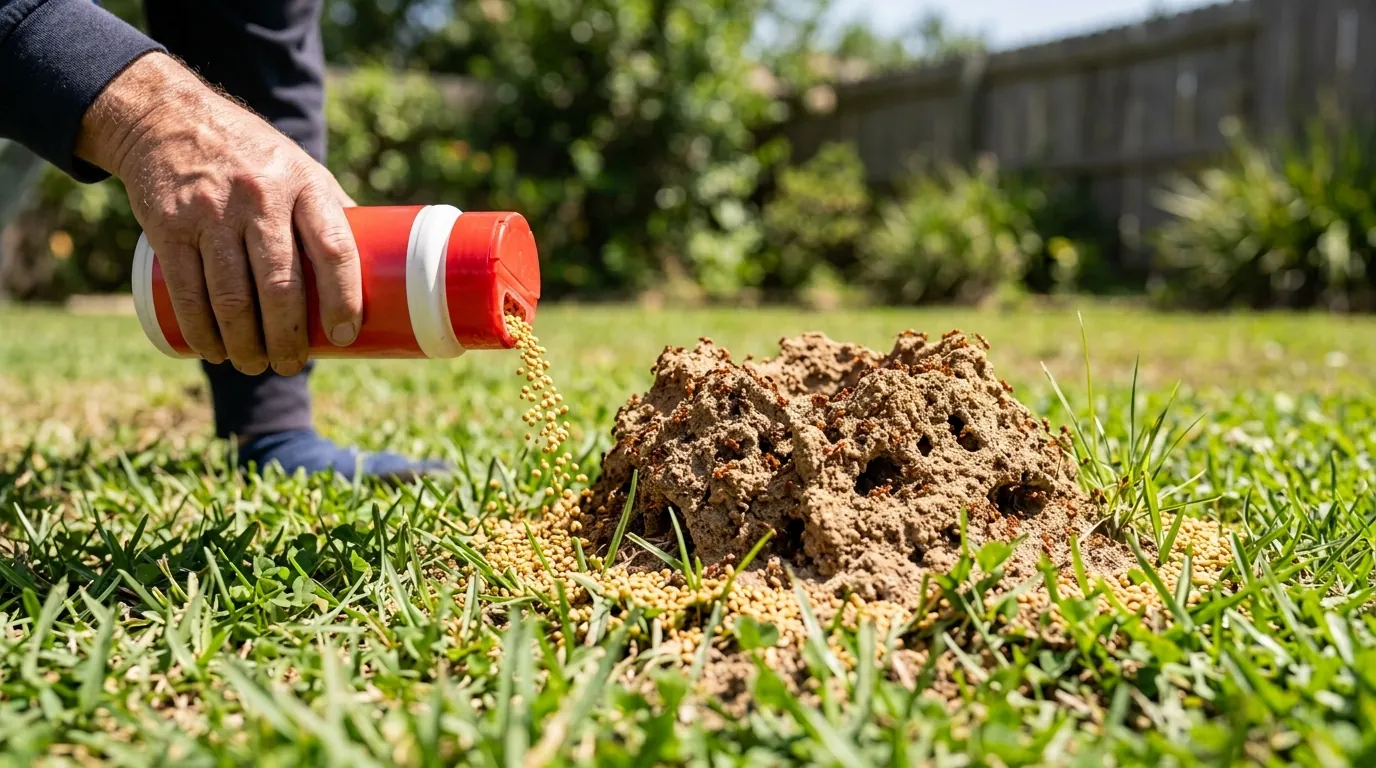
Red ants in the yard are often fire ants (genus Solenopsis), whose painful stings make them a hazard across the South. Biting ants like fire ants build mounds in sunny turf. Treat their mounds carefully and keep children and pets clear.
Why You Should Resist the Spray
When you see a trail, the instinct is to spray. For most ants, that is the wrong move. The foragers you see are a tiny fraction of the colony; the queen and workers stay hidden. Killing foragers does nothing to the nest. Worse, some sprays cause certain species to bud, splitting one nest into several. The professional path follows Integrated Pest Management: bait, not spray.
The Bait-First Plan for Ants Inside the House
Baiting clears most ants inside the house, because foragers carry slow-acting bait back to the queen.
Placing Ant Bait Along the Trail
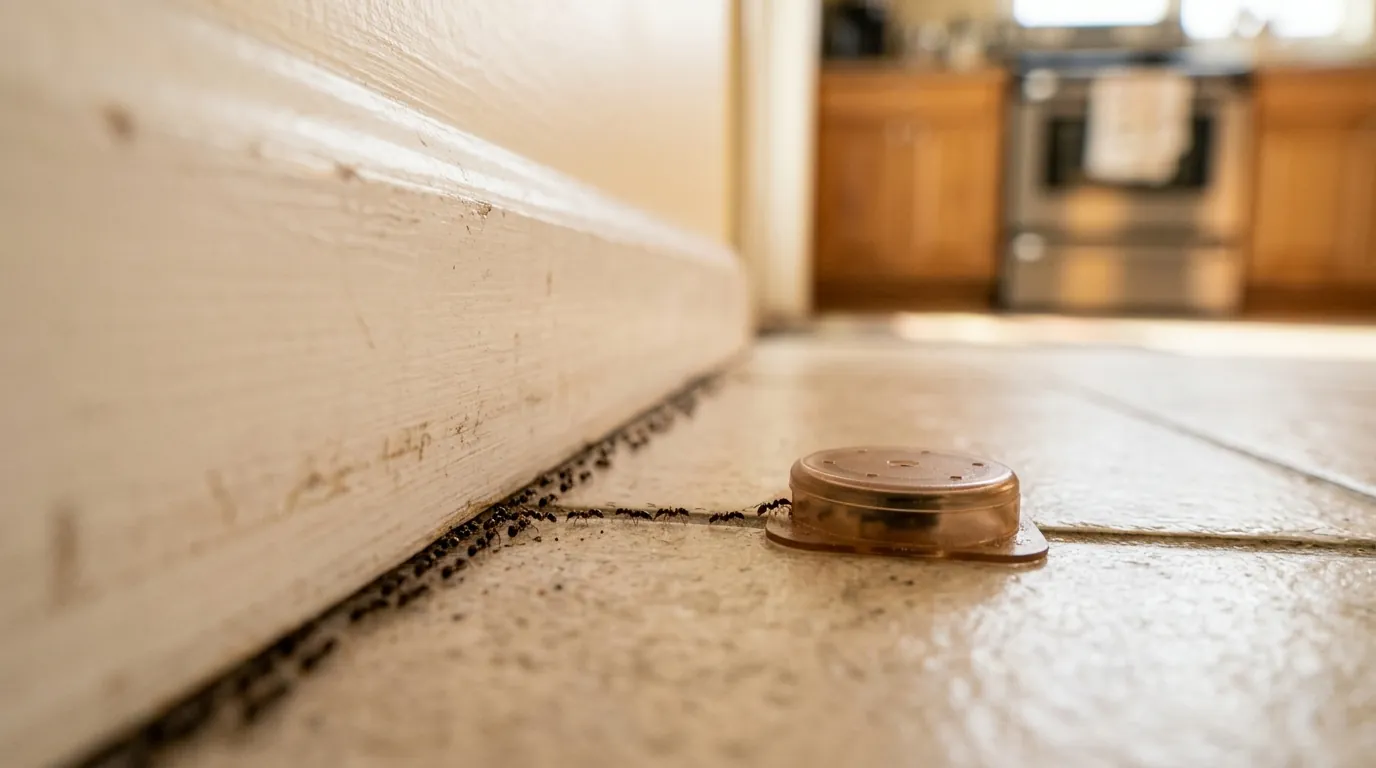
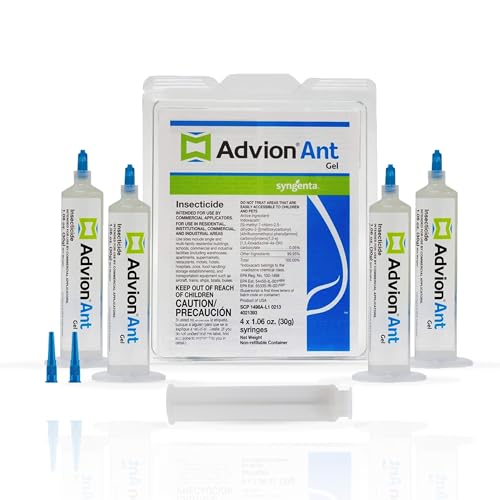
Place ant bait where you see them traveling: along the trail, near entry points, and under cabinets. Use bait stations or gel bait per the label and be patient, since it can take one to two weeks. Activity may briefly rise as more ants recruit to the bait, which means it is working. Do not spray near the bait.
Inside Kitchen Cabinets and Along Baseboards
Look inside kitchen cabinets, behind the sink, and along baseboards for trails and entry points. Wipe surfaces with soapy water after baiting begins to erase the pheromone trail. Store food in sealed containers, clean up crumbs, and fix any moisture problem.
Are Ants Invading in Large Numbers?
If ants invading your home arrive in a sudden surge, follow the trail to the entry point outdoors. Seal cracks, trim vegetation away from the walls, and move mulch back from the foundation. Ants invading after rain are often just seeking dry ground.
Products, Natural Options, and Safety
Choose a bait labeled for the ants you have and follow the directions. Different baits use sweet, protein, or grease attractants, and switching can help if ants ignore the first. Place baits out of reach of children and pets.
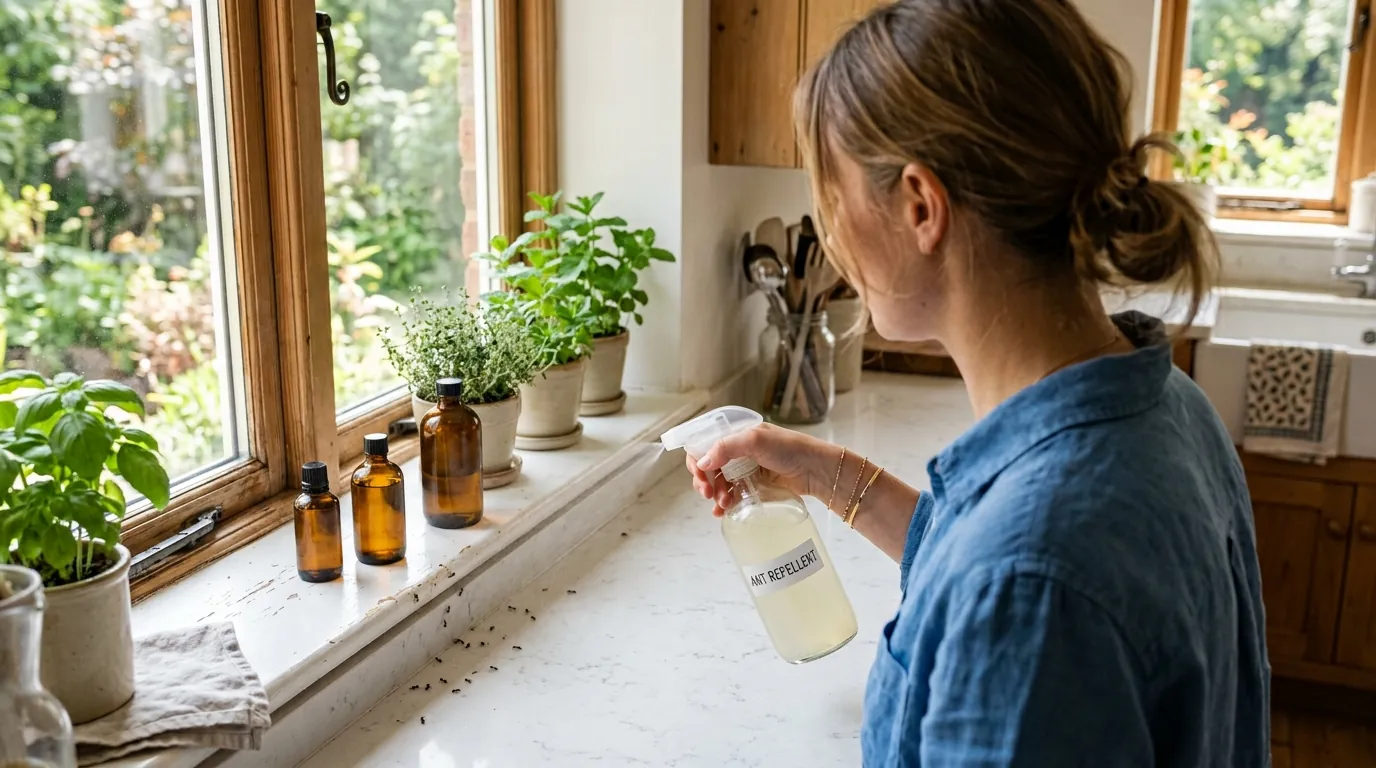
Home remedies vary. Soapy water and vinegar erase pheromones and kill foragers you hit, but they are not a colony cure. Diatomaceous earth or boric acid dusted along entry points per the label can deter crawling ants. Peppermint oil may briefly discourage foraging but will not eliminate a colony. If you use any pesticide, read and follow the EPA-registered label exactly, keep it away from food, and never mix products. For any exposure or ingestion, contact Poison Control at 1-800-222-1222, or your veterinarian for a pet.
Getting Rid of Ants Permanently
To get rid of ants permanently, remove what draws them. No food, no water, no easy entry, no colony. Keep counters clean, fix leaks, and seal gaps where trails cross the threshold. These habits keep both kitchen ants and yard species from coming back.
When to Call a Professional
Most nuisance ant trails yield to patient baiting and sanitation. Call a professional when the evidence points to something bigger: carpenter ants with a nest in the structure, a recurring infestation baiting does not resolve, or fire ants whose stings make DIY risky, especially for anyone with an allergy. A pro can locate the hidden nest and address the moisture behind it. For the baits and least-toxic options worth owning, see our ant control product reviews, and our prevention guides for keeping the next colony outside where it belongs.