
Pavement Ant
Tetramorium immigrans · also called pavement ants, sidewalk ant
Quick answer
The pavement ant (Tetramorium immigrans) is a small dark brown to black ant that nests under sidewalks, driveways, and slabs, pushing little piles of soil up through cracks. It trails indoors for food and is a common nuisance, though it rarely bites. Rival colonies sometimes wage territorial sidewalk battles.
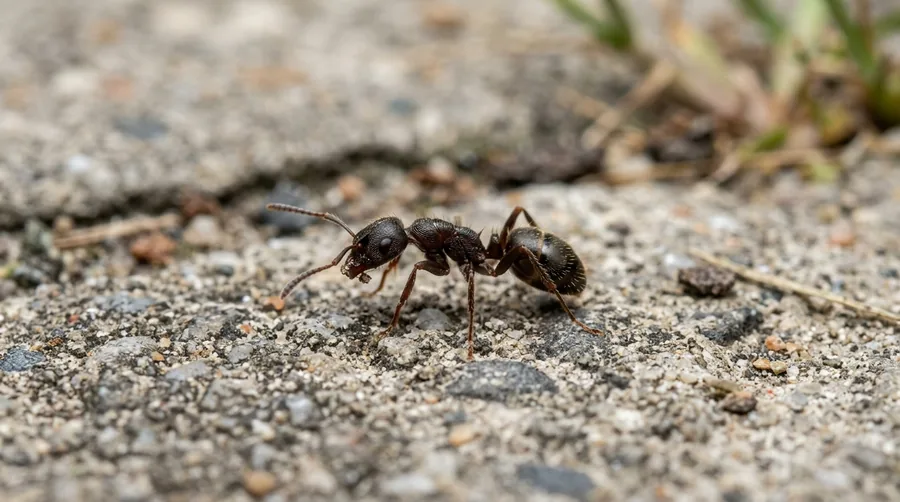
Small dark brown pavement ants trailing beside a soil pile pushed up through a sidewalk crack
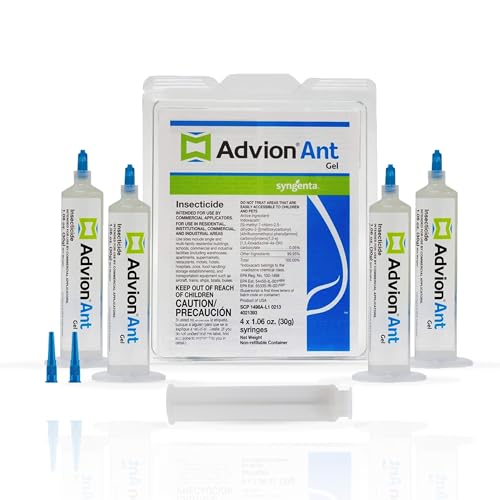
Recommended Products
See the full ranking →

What it does
Pavement ants forage in trails and nest under hard surfaces, pushing excavated soil up through cracks. They come indoors, especially in winter, from warm slabs and foundations. In spring, neighboring colonies sometimes fight territorial battles, leaving many ants on sidewalks.
Where it lives
They nest under sidewalks, driveways, patios, foundation slabs, stones, and mulch. Indoors they nest under slab floors, behind walls, and near heat sources. They are found nationwide and are especially common in the northern US.
How it breeds
A colony has a queen and thousands of workers. Winged reproductives swarm in spring and early summer, sometimes indoors. Development runs through egg, larva, and pupa stages, and colonies persist for several years.
What it eats
Pavement ants are omnivorous, eating sweets, grease, proteins, seeds, dead insects, pet food, and crumbs. This broad diet is why they readily forage in kitchens once they find a trail indoors.
Identification
Workers are about 1/8 inch, dark brown to black with paler legs, with two spines on the back, a two-node waist, and parallel grooves (striations) on the head and thorax. Small soil piles pushed up through pavement cracks are a reliable giveaway.
Signs of an infestation
- Small piles of excavated soil in pavement or foundation cracks
- Ant trails along baseboards, slabs, and foundations
- Foraging ants in kitchens and pantries
- Swarms of winged ants indoors in spring
- Many ants on sidewalks during territorial battles
Prevention tips
- Seal foundation and slab cracks and entry points
- Keep food sealed and clear crumbs and spills
- Fix moisture problems near slabs and foundations
- Keep mulch and stone off the foundation
- Bait active indoor trails rather than only spraying
Professional solutions
Baiting active trails and treating the exterior perimeter usually controls pavement ants. Persistent nests under slab floors can be hard to reach, so a professional can place baits and treat the perimeter for lasting results. Always read and follow the EPA label on any product.
Health & safety
Pavement ants are mainly a nuisance. They can bite and deliver a weak sting but rarely do, and there is no known disease risk. They can contaminate food they walk across, so discard exposed items. Overall household risk is low.
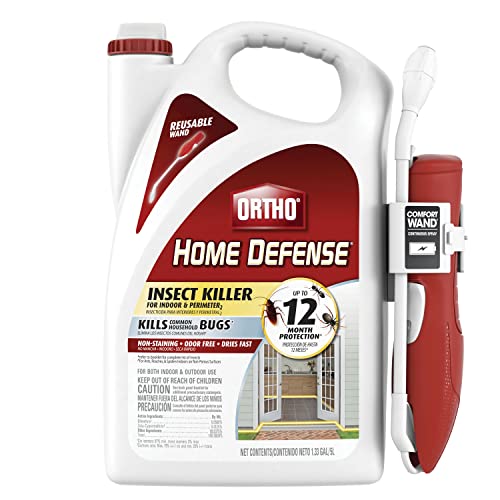
Relevant Products


Frequently asked questions
Why are there little piles of dirt in my driveway cracks?
Pavement ants nest under slabs and pavement and push the excavated soil up through cracks, leaving small dirt piles. Seeing these mounds along sidewalks, driveways, and foundations is one of the clearest signs of a pavement ant colony below.
Do pavement ants bite or sting?
Pavement ants have a small stinger but rarely use it on people, and any bite or sting is weak and usually unnoticed. They are considered a nuisance rather than a health threat, so the main concern is contaminating food.
Why do pavement ants come inside in winter?
Colonies nesting under heated slabs and foundations can stay active in winter and forage indoors for food. Sealing cracks, clearing crumbs, and baiting trails helps reduce indoor activity during the colder months.
Fact-checked by Morgan Vance, Editorial Director (editorial review, not a professional pest-control or medical sign-off). Last reviewed July 14, 2026. We correct anything a reader shows us is wrong — see our corrections policy.