
Argentine Ant
Linepithema humile · also called argentine ants, sugar ant
Quick answer
The Argentine ant (Linepithema humile) is a small light-to-dark brown ant that forms enormous supercolonies with many cooperating queens. It travels in wide, persistent trails and invades homes for food and water, especially in dry weather. It doesn't sting or damage wood, but its sheer numbers make it hard to control.
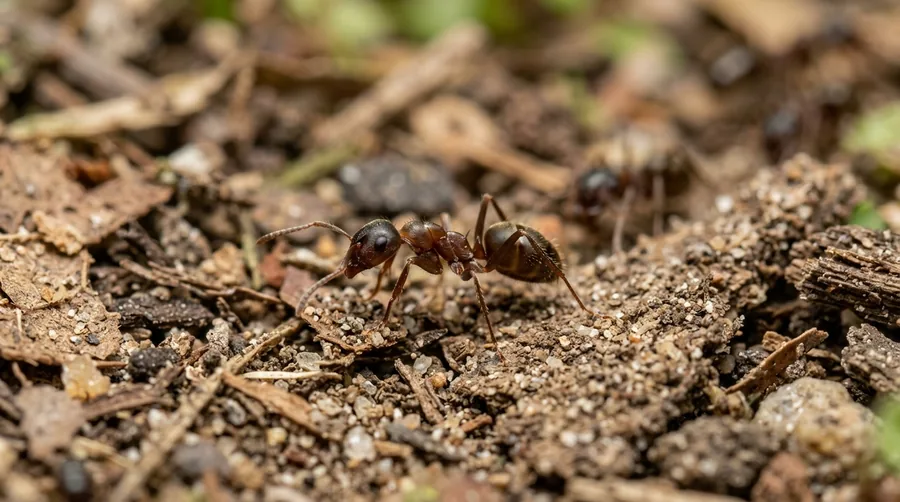
A wide trail of small light-brown Argentine ants streaming along a kitchen baseboard
Recommended Products
See the full ranking →

What it does
Argentine ants form massive interconnected supercolonies with many queens. They forage in broad trails, tend aphids for honeydew, and invade indoors for food and water, especially during drought or heavy rain. They readily displace other ant species through overwhelming numbers.
Where it lives
They build shallow nests in moist soil, under mulch, logs, landscaping, and along foundations, and move into wall voids indoors. They are abundant in the Southeast and along the West Coast in mild, moist climates, where colonies interconnect across whole neighborhoods.
How it breeds
Colonies have numerous queens and reproduce by budding as well as swarming. Queens lay many eggs, and workers mature in weeks. Because nests interconnect, a single supercolony can span large areas and multiple properties.
What it eats
Argentine ants strongly prefer sweets and honeydew from aphids and scale insects, and they also eat proteins, oils, and household food. Their sweet tooth guides bait selection toward sugar-based products.
Identification
Workers are small and a uniform light-to-medium brown, with a single waist node and no sting. Crushed ants give off a musty odor. Enormous cooperative trails, rather than isolated nests, are the most telling sign of this species.
Signs of an infestation
- Very large foraging trails indoors and outdoors
- Ants streaming to sweets, water, and moisture
- Heavy activity along foundations and landscaping
- Indoor invasions during drought or heavy rain
- A musty odor when ants are crushed
Prevention tips
- Trim vegetation and keep mulch off the foundation
- Fix leaks and reduce standing moisture indoors and out
- Seal entry points and cracks along foundations
- Keep food sealed and clean up spills promptly
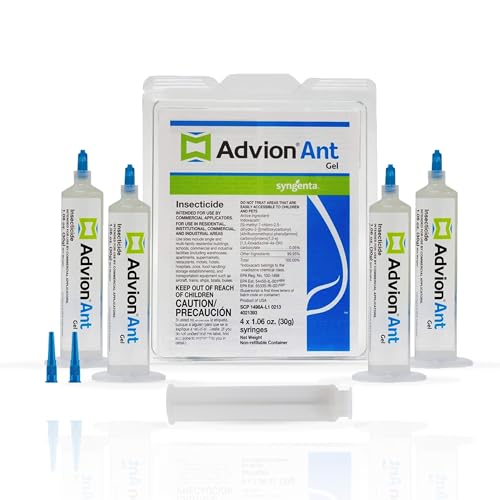
- Use slow-acting sweet baits placed along trails
Professional solutions
Because supercolonies span properties, control often needs sustained baiting plus a perimeter program, and reinfestation from neighbors is common. Large or neighborhood-wide infestations are best handled by a professional over time. Always read and follow the EPA label on any product.
Health & safety
Argentine ants do not sting and are not known to spread disease, so they are primarily a nuisance. They can contaminate food they reach, so discard exposed items. Overall household risk is low, though their numbers can be frustrating.
Relevant Products


Frequently asked questions
Why are there so many Argentine ants at once?
Argentine ants form supercolonies with many queens and interconnected nests, so populations can be enormous and trails very long. This is why they seem to appear in overwhelming numbers, and why control usually requires patient, sustained baiting rather than a quick fix.
What attracts Argentine ants into the house?
They come indoors for food, especially sweets, and for water. Invasions often spike during drought, when outdoor moisture dries up, or during heavy rain that floods nests. Sealing entry points and removing food and water sources helps reduce them.
Do Argentine ants bite or damage the house?
No. Argentine ants do not sting, do not damage wood or structures, and are not known to spread disease. They are a nuisance whose main downside is contaminating food and appearing in large, persistent trails.
Fact-checked by Morgan Vance, Editorial Director (editorial review, not a professional pest-control or medical sign-off). Last reviewed May 10, 2026. We correct anything a reader shows us is wrong — see our corrections policy.