
Ghost Ant
Tapinoma melanocephalum · also called ghost ants, black-headed ant
Quick answer
The ghost ant (Tapinoma melanocephalum) is a tiny ant with a dark head and thorax but pale, almost translucent legs and abdomen that make it hard to see. Common in Florida and the Gulf, it nests indoors and out, moves fast and erratically, and gives off a coconut-like odor when crushed.
Tiny ghost ants with dark heads and pale translucent bodies on a light bathroom counter
Recommended Products
See the full ranking →

What it does
Ghost ants are extremely small and pale, which makes them hard to spot. They move rapidly and erratically, and their colonies have many queens and bud readily into new nests. When crushed, they give off a coconut-like or rotten odor.
Where it lives
In the warm South, especially Florida, they nest outdoors in soil, mulch, and plant stems, and indoors in wall voids, cabinets, and potted plants. Elsewhere in the US they turn up indoors and in heated greenhouses, where warmth lets them survive year-round.
How it breeds
Colonies have multiple queens and spread by budding into new nests rather than relying only on swarms. Workers develop through complete metamorphosis in a few weeks, and the ants breed year-round in warm indoor conditions.
What it eats
Ghost ants strongly prefer sweets and honeydew, and they also feed on grease and proteins. They are often seen at sugary spills and in kitchens and bathrooms, where moisture and food overlap.
Identification
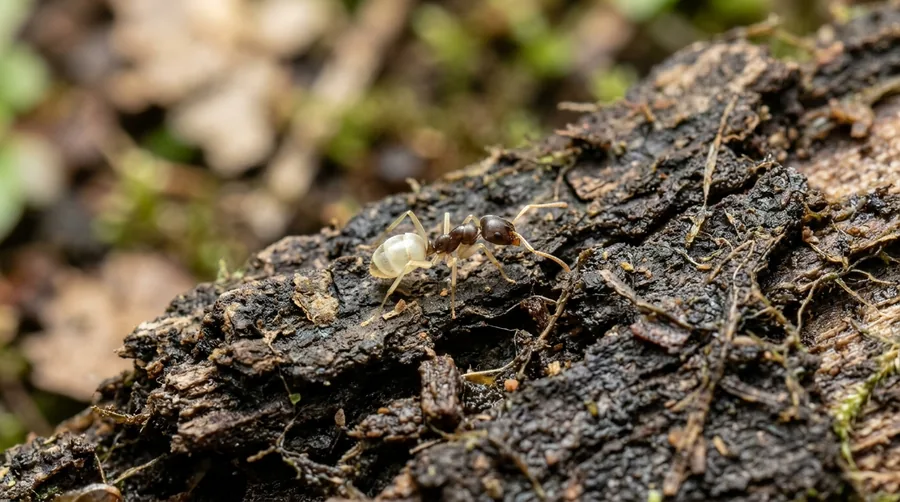
Workers are about 1/16 inch, with a dark head and thorax and a pale, translucent abdomen and legs, giving a ghostly two-tone look. That coloring, plus the coconut-like odor when crushed, is the best way to confirm them.
Signs of an infestation
- Faint trails of pale, fast-moving ants
- Ants appearing at sweets and near moisture
- Activity in kitchens, bathrooms, and potted plants
- A coconut-like smell when ants are crushed
- Ants that are hard to see against light surfaces
Prevention tips
- Seal entry points and cracks where ants travel
- Fix leaks and reduce indoor moisture
- Keep sweets and food sealed and surfaces clean
- Inspect potted plants before bringing them indoors
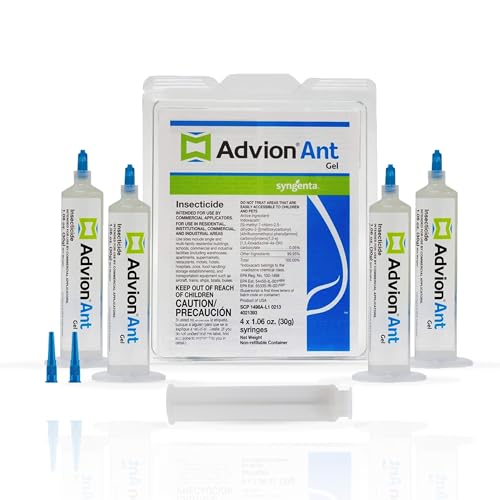
- Bait trails with a sweet bait rather than spraying
Professional solutions
Because ghost ants bud and nest in scattered spots, control relies on baiting rather than spraying, which can cause colonies to split. Persistent infestations, especially in the South, may need a professional for thorough bait placement and monitoring. Always read and follow the EPA label.
Health & safety
Ghost ants do not sting and are not known to spread disease; they are a nuisance that can contaminate food. Discard any food they have reached. Overall household risk is low.
Relevant Products


Frequently asked questions
Why are these ants so hard to see?
Ghost ants have pale, translucent legs and abdomens, so only their dark heads and thoraxes stand out, especially on light surfaces. Their tiny size and fast, erratic movement add to how easily they seem to vanish.
Do ghost ants really smell like coconut?
Yes. When crushed, ghost ants release an odor often described as coconut-like or rotten. That smell, combined with their two-tone ghostly appearance, is a reliable way to tell them apart from other tiny household ants.
How do I control ghost ants indoors?
Use sweet baits placed along trails so workers carry them back to the many queens, and avoid spraying, which can cause colonies to bud and spread. Seal entry points, fix moisture, and check potted plants. Persistent cases may need a professional.
Fact-checked by Morgan Vance, Editorial Director (editorial review, not a professional pest-control or medical sign-off). Last reviewed June 21, 2026. We correct anything a reader shows us is wrong — see our corrections policy.