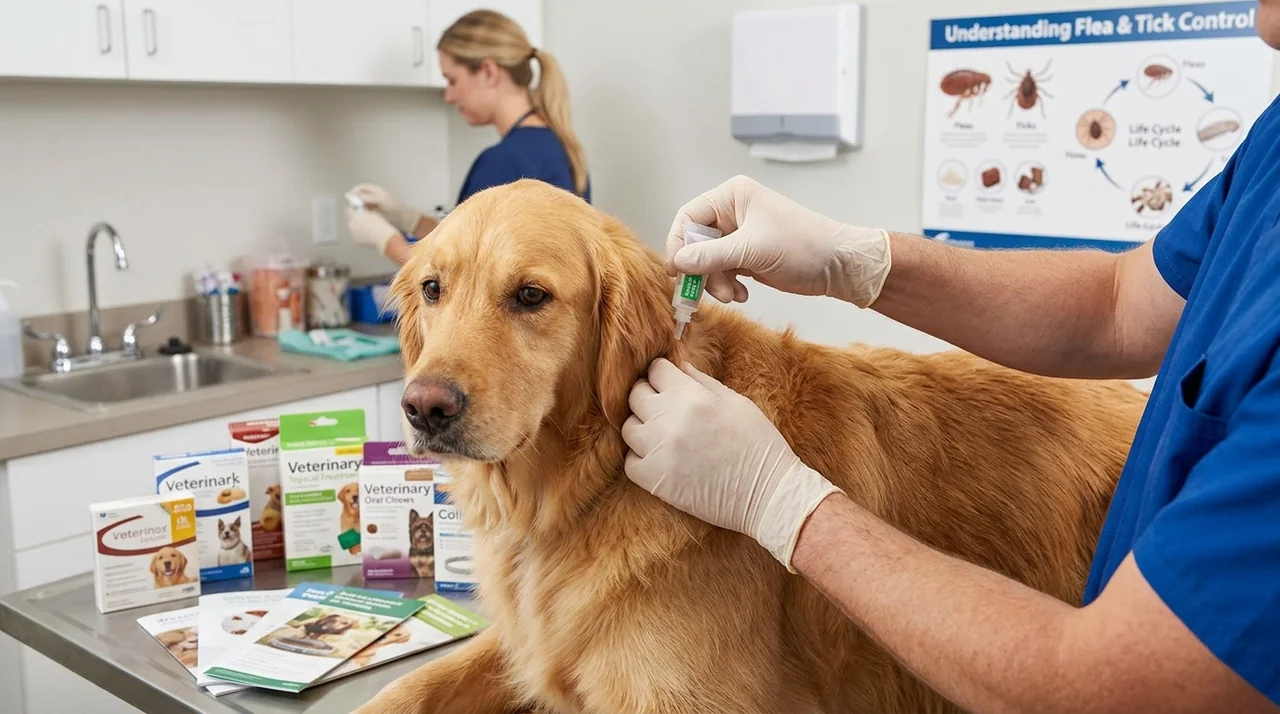

Flea and tick control for a pet is a health decision, not just a shopping choice. The most important step comes before any purchase. Talk to your veterinarian. They can match a flea tick product to your pet's species, weight, age, and health, and confirm it will not clash with other medications.
Flea Tick Prevention Starts With Your Veterinarian
This guide explains the categories so you can have an informed conversation. The right flea tick preventive is always species-specific. Never put a dog flea product on a cat, and never assume a cat flea product suits a dog. A canine flea and tick plan differs from a feline one. Some canine ingredients, notably certain permethrin formulations, can be lethal to cats.
Dog Meds: Oral and Spot-On for Flea and Tick
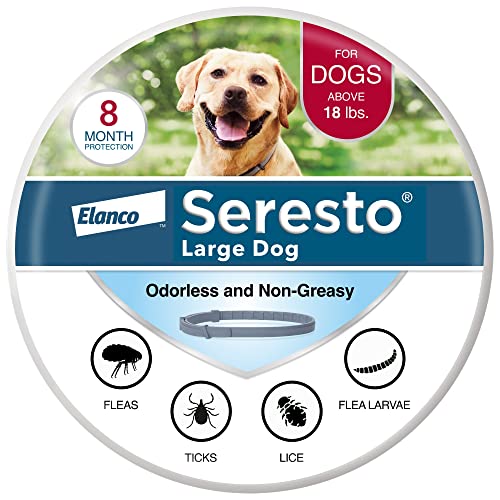
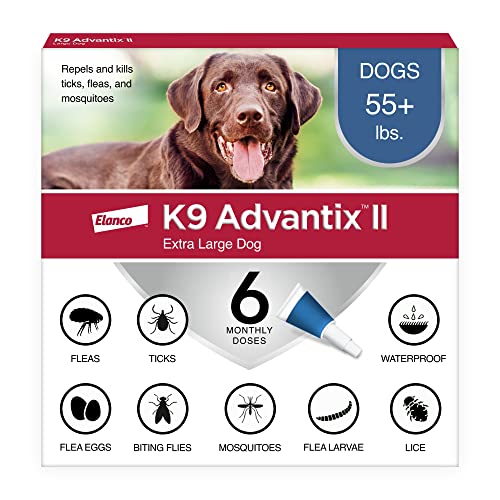
Searches for dog meds for ticks and fleas span several forms, each with trade-offs. Choose a flea and tick dogs and cats can tolerate at their correct weight.
- Oral medications. Chews and tablets given by mouth, often monthly. They resist bathing and swimming and leave no residue. The best flea dogs tolerate often come as a chew.
- Spot-on treatments. Applied to the skin between the shoulder blades, usually monthly. Keep the treated area from being licked while it dries.
Cat Flea and Tick Products Are Different
A tick cats can tolerate is not the same as a product made for a dog. Every flea and tick cat owners buy must clearly say "cat" on the label. The fleas and ticks cats bring in still infest the home, and the flea cats carry can jump to people and other pets. When in doubt about a tick cat treatment, ask the vet before you apply anything.
Never Put a Permethrin Dog Product on a Cat
This point is worth repeating. A permethrin dog product applied to a cat is a genuine emergency. Cats process the chemical poorly, and the reaction can be severe. Use only the product labeled for that species, and store dog and cat products separately so they never get mixed up.
Top Rated Dog and Cat Choices
Shoppers hunt for a top rated dog chew or spot-on, and reviews help narrow the field. But a highly rated dog product still has to match your specific pet. Read the label's weight and age ranges, and let the veterinarian confirm the choice. Popularity is a starting point, not a prescription.
Treat the Home: Eggs, Larvae, and Pupae in the Carpet
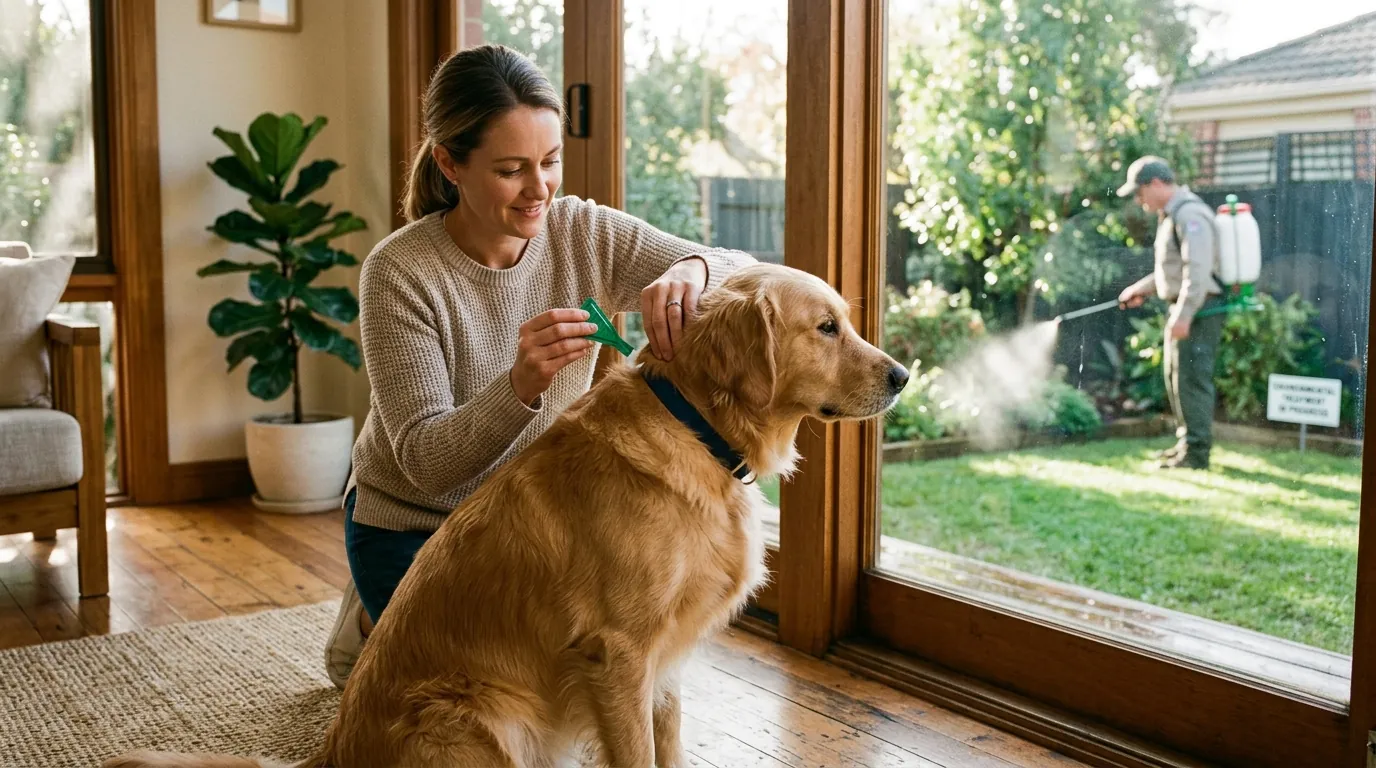
A flea problem lives mostly in the environment, not on the animal. Adult fleas on the pet are a small fraction of the population. The eggs, larvae, and pupae hide in the carpet, bedding, and yard. Treating only the pet is why infestations drag on.
Wash Pet Bedding and Vacuum the Baseboards
Wash pet bedding in hot water regularly. Vacuum thoroughly and often, especially carpets, along baseboards, and under furniture, then dispose of the contents. Vacuuming removes eggs and larvae, and it coaxes pupae to emerge where treatments can reach them. Because of the flea life cycle, it commonly takes several weeks of consistent effort to clear an infestation.
Do Natural Flea and Tick Remedies Work?
Many owners ask about a natural flea remedy or a natural tick repellent before reaching for a pesticide. Be realistic. A natural dog spray of cedar or diluted plant oils may give brief, partial relief, but it will not clear an infestation. For some dogs natural shampoos help wash off adults, yet they leave no lasting protection. Never use a concentrated essential oil on a cat, since many are toxic. Treat natural options as light support around a vet-guided product, not a replacement.
Ticks: Preventive, Tick Season, and Tweezers
Ticks carry disease risk, so prevention and prompt removal both matter. The CDC links tick bites to Lyme disease and other illnesses, so keep pets on a vet-recommended preventive during tick season, which in many areas is much of the year. Check pets, and yourself, after time outdoors. To remove an attached tick, use fine-tipped tweezers, grasp close to the skin, and pull straight out. Do not twist, crush, or burn it.
Use Products Safely and Watch for Reactions
Flea and tick products are pesticides and deserve care. Follow the EPA label's weight and age minimums. Do not split a large-dog dose between small pets. Watch for adverse reactions after a new product, such as drooling, tremors, or vomiting. If your pet reacts, or you apply the wrong species' product, contact your veterinarian right away. For human exposure, call Poison Control at 1-800-222-1222.
When to Call a Professional
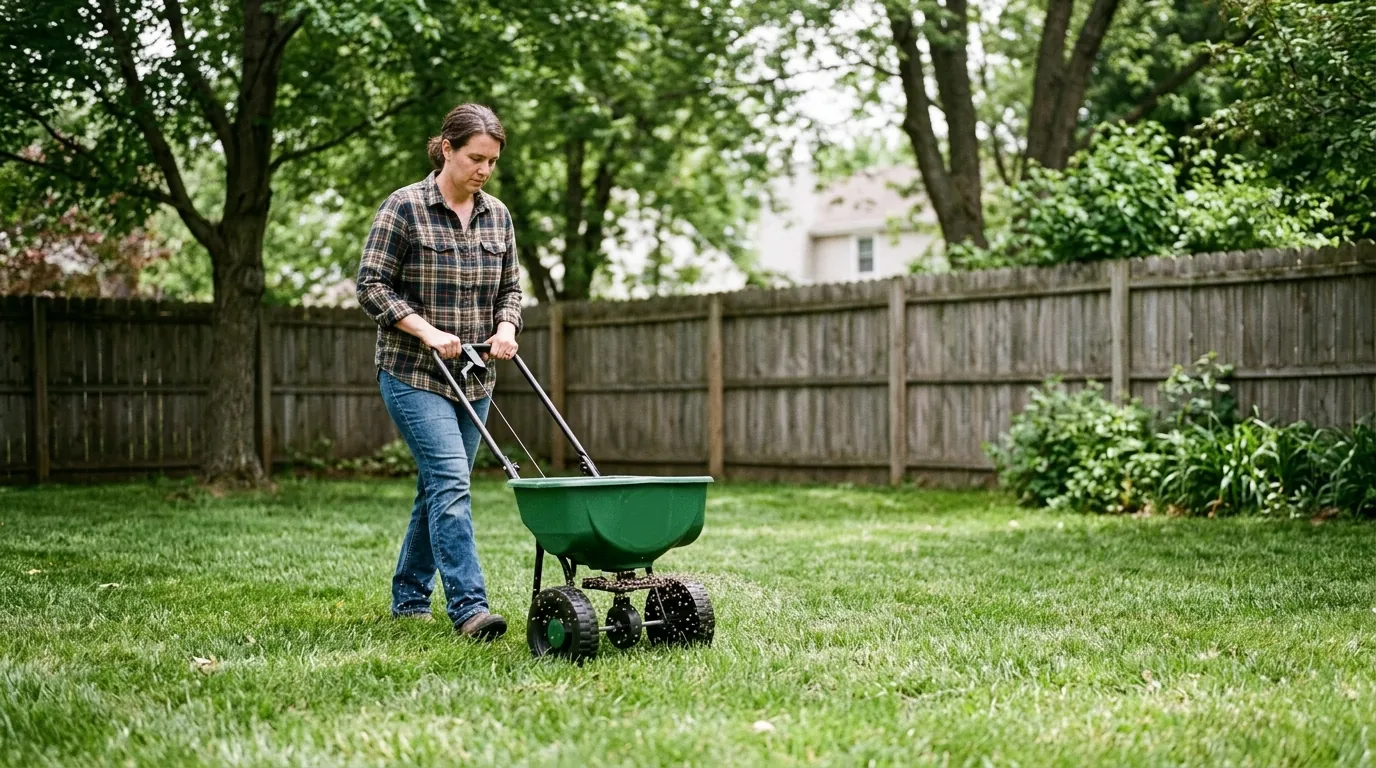
Loop in your veterinarian whenever you are choosing or changing a preventive, or if fleas persist despite consistent treatment. For a heavy home or yard infestation, consider a licensed pest-control service. The winning approach is always three-pronged: the right vet-guided product on the pet, consistent cleaning of the home, and attention to the yard.