
Bed Bug
Cimex lectularius · also called bed bugs, mahogany flat, wall louse
Quick answer
Bed bugs (Cimex lectularius) are small, flat, reddish-brown insects about the size of an apple seed that feed on human blood while you sleep. They hide in mattress seams, headboards, and luggage, leaving itchy bite welts and rusty stains. They are not known to spread disease but are notoriously hard to eliminate.
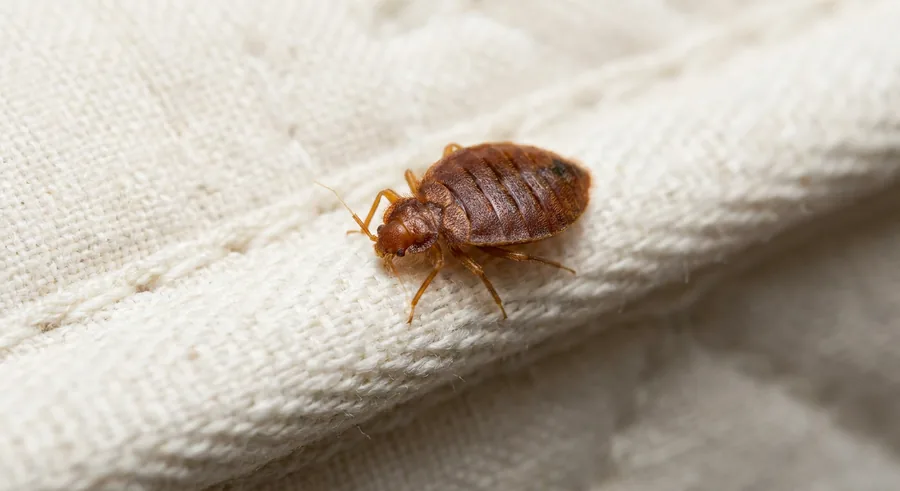
Flat, reddish-brown, apple-seed-sized bed bug on the seam of a white mattress
Recommended Products


What it does
Bed bugs are nocturnal blood-feeders that hide during the day and come out at night, drawn to the warmth and carbon dioxide of a sleeping person. They feed for several minutes, then retreat to their harborage. They can survive months without a meal.
Where it lives
They shelter within a few feet of where people sleep: mattress seams, box springs, bed frames, headboards, baseboards, and cracks in walls or furniture. They spread by hitchhiking on luggage, clothing, and used furniture, and are found nationwide in homes, hotels, and dorms.
How it breeds
A female lays 200-500 tiny white eggs over her life, cementing them into cracks. Eggs hatch in about 6-10 days, and nymphs pass through five molts, each needing a blood meal. In warm conditions they reach adulthood in roughly a month.
What it eats
Bed bugs feed exclusively on blood, preferring humans but also feeding on pets. They do not eat household food or debris, so a clean home is no protection against them.
Identification
Adults are flat, oval, and reddish-brown, about 4-5 mm, roughly the size and shape of an apple seed. After feeding they swell and darken. Nymphs are smaller and translucent, and eggs are pinhead-sized and pearly white.
Signs of an infestation
- Itchy welts, often in a line or cluster of three
- Rusty or dark spots (blood and fecal stains) on sheets and mattress seams
- Tiny pale eggs and pale shed skins in seams and crevices
- A sweet, musty odor in heavy infestations
- Live bugs in mattress folds and behind headboards
Prevention tips
- Inspect hotel beds and keep luggage off the floor when traveling
- Examine secondhand furniture and mattresses before bringing them in
- Use zippered encasements on mattresses and box springs
- Reduce clutter near beds to limit hiding spots
- Wash and hot-dry bedding after trips or suspected exposure
Professional solutions
Bed bugs are one of the hardest pests to clear with DIY methods and resist many over-the-counter sprays. Professionals use whole-room heat treatments (around 120 degrees F or higher) and targeted insecticides, often over multiple visits, to reach eggs and hidden bugs.
Health & safety
Bed bug bites cause itchy welts and, for some people, allergic reactions or lost sleep and anxiety, while others react little. They are not currently known to transmit disease to humans, so the main risks are skin irritation, secondary infection from scratching, and stress.
Relevant Products



Frequently asked questions
What do bed bug bites look like?
Bed bug bites are usually small, red, itchy welts that appear in a line or cluster, often three in a row. They commonly show up on skin exposed while sleeping, such as arms, shoulders, neck, and legs. Some people have little or no visible reaction.
How do you know if you have bed bugs?
Check mattress seams, box springs, and headboards for live bugs, rusty or dark blood and fecal spots, pale shed skins, and pinhead-sized white eggs. Bites appearing overnight in rows are another clue, though bites alone are not proof.
Do bed bugs spread disease?
Bed bugs are not currently known to transmit disease to people. The main problems are itchy bites, possible allergic reactions, skin infections from scratching, and the stress and lost sleep an infestation causes.
Fact-checked by Morgan Vance, Editorial Director (editorial review, not a professional pest-control or medical sign-off). Last reviewed May 23, 2026. We correct anything a reader shows us is wrong — see our corrections policy.