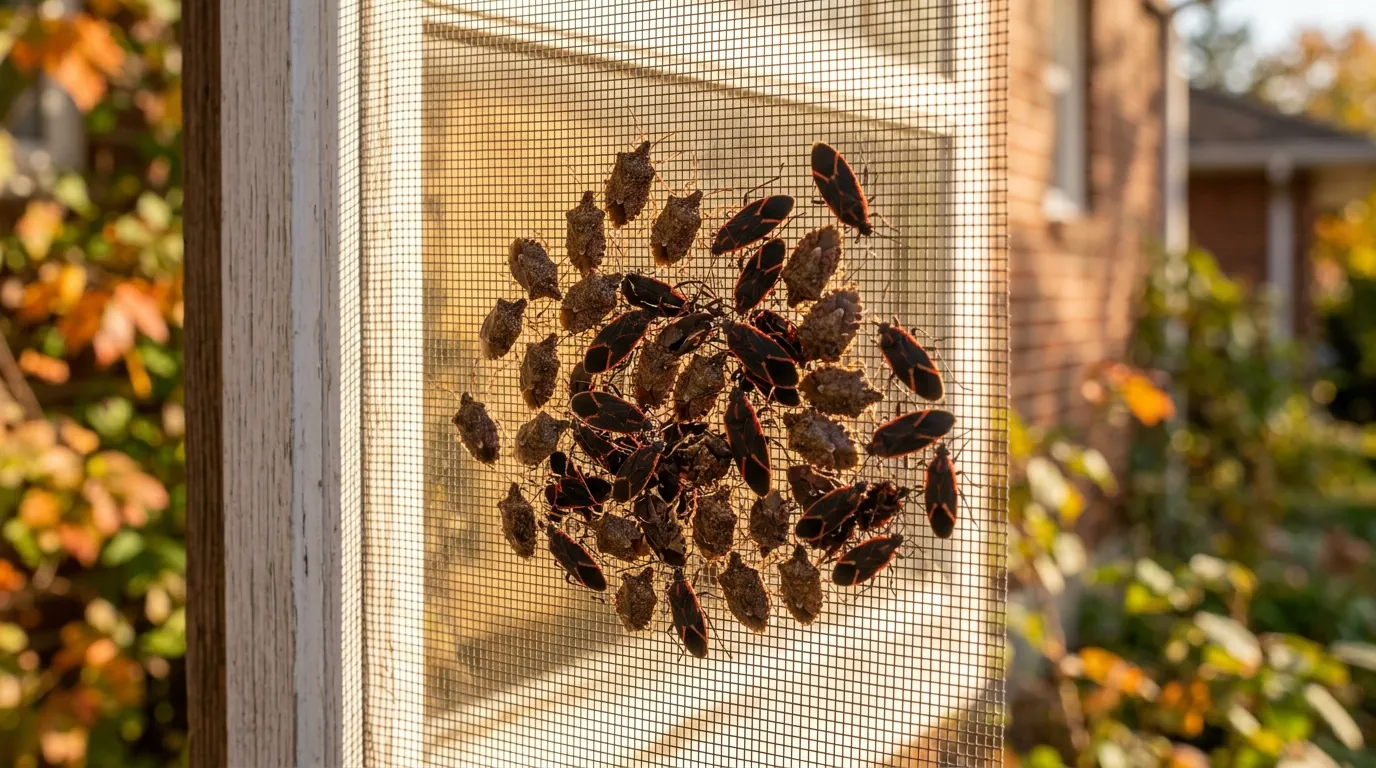

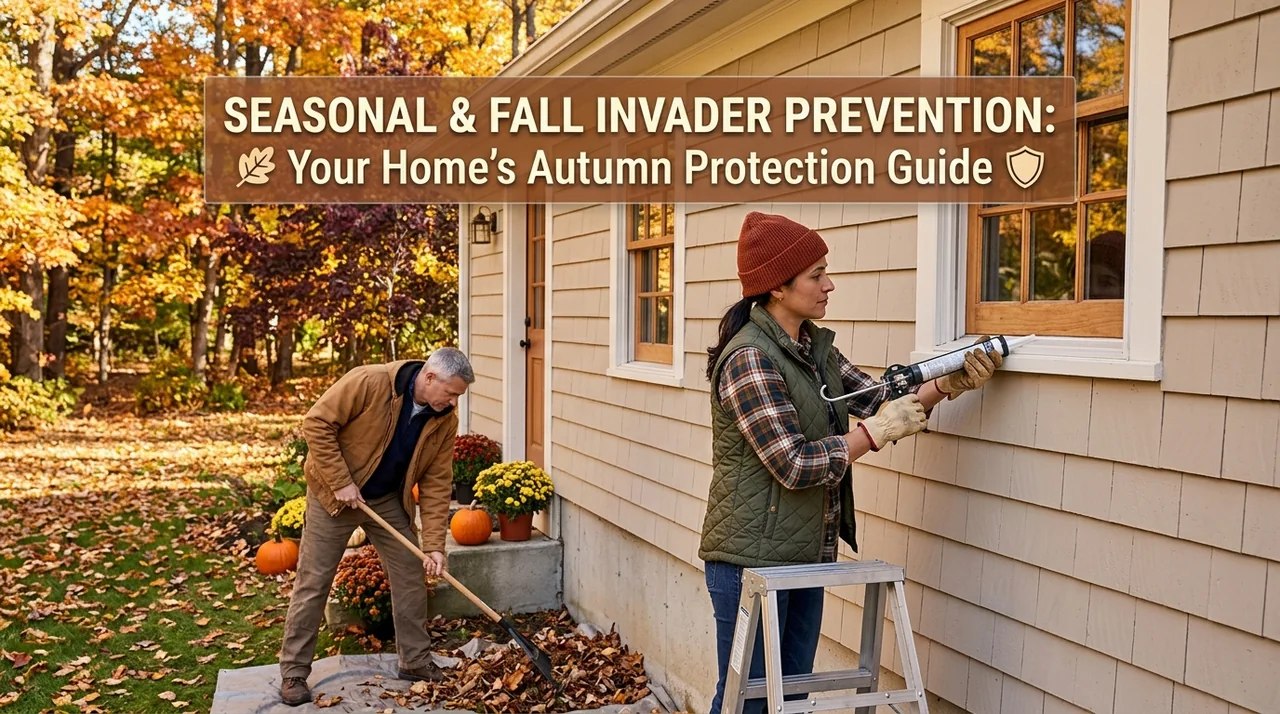
Every autumn the same insects appear on sunny walls and slip indoors. The good news is that the common fall invaders are harmless to people, and sealing them out works far better than any spray.
Do Stink Bugs Bite? Straight Answers on Fall Invaders
The brown marmorated stink bug (Halyomorpha halys) does not bite people or pets, does not sting, and does not damage the structure of your home. Its only real offenses are numbers and smell.
The brown marmorated stink bug and its stink bug odor
When crushed or threatened, the bug releases a pungent stink bug odor from glands on its body. That is a defense, not aggression. It also does not reproduce indoors over winter, so a bug you see in January hitched a ride in during fall.
Asian lady beetles, boxelder bugs, cluster flies, and the western conifer seed bug
The other common fall invaders are similarly harmless. Asian lady beetles (Harmonia axyridis) can occasionally give a weak "nip" and may leave a yellowish, staining fluid when disturbed, but they are not dangerous. Boxelder bugs, cluster flies, and the western conifer seed bug are pure nuisance pests.
Do these nuisance pests bite people or sting?
None of these insects meaningfully bite people or sting, and none require you to treat the inside of your home with insecticide. If someone in the household has allergies or asthma, large indoor accumulations and their debris can occasionally aggravate symptoms; if you notice a reaction, talk to a doctor.
Why Fall Invaders Show Up: Overwintering
As nights cool in late summer and fall, these insects look for a warm, sheltered place to wait out winter, a behavior called overwintering. They are not feeding on your house or breeding indoors; they are simply seeking a protected spot. That single fact shapes the whole strategy: seal them out before they get in, because once they are inside the walls, options narrow.
Seal Them Out: Exclusion With Caulk, Door Sweeps, and Weatherstripping
Because these pests overwinter rather than infest, exclusion is dramatically more effective than spraying. Work from the top down and finish before the first cold snap.
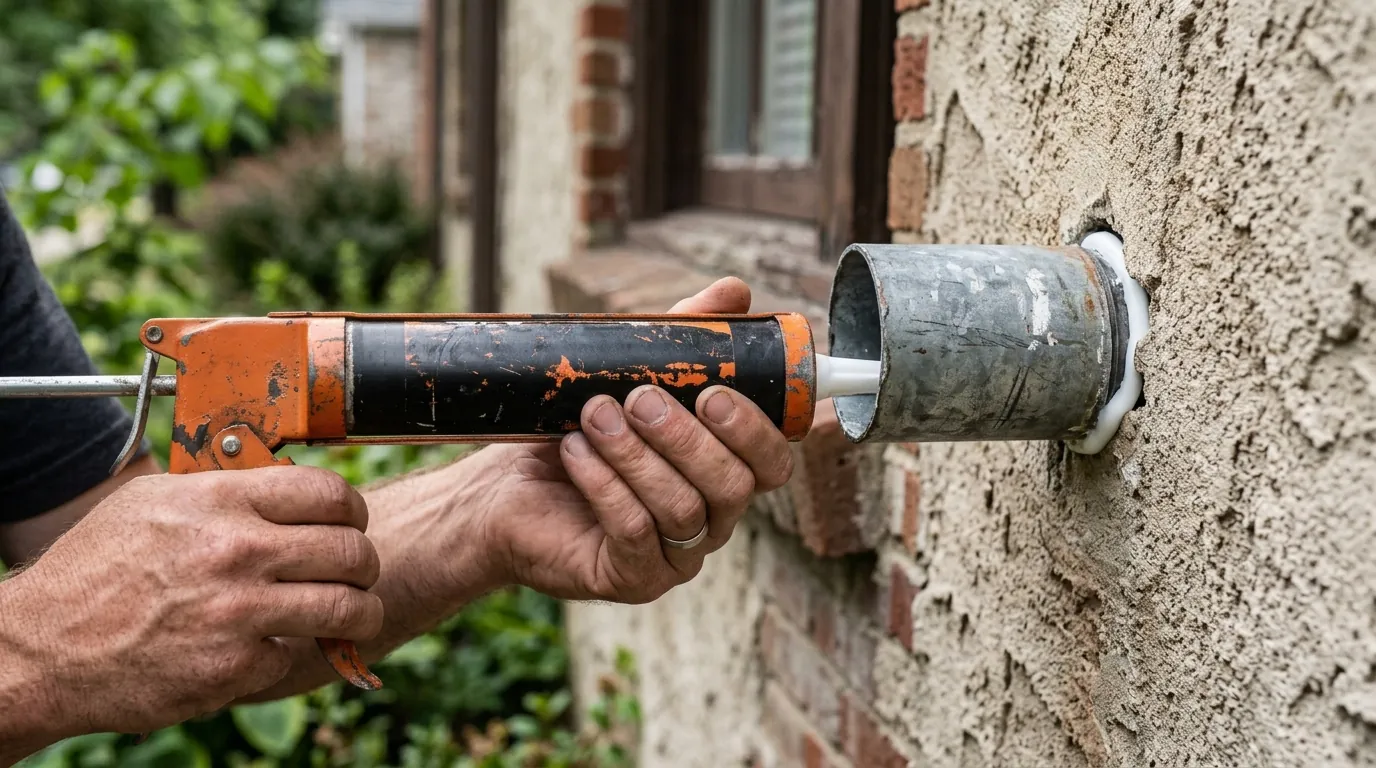
Seal cracks, window screens, and attic vents
- Seal cracks and gaps around windows, doors, siding, and utility entries, using caulk or expanding foam for larger voids.
- Repair or replace damaged window screens, and add screening behind attic vents, soffit vents, and over chimney openings.
- Install worn door sweeps and weatherstripping; gaps under doors are a top entry point.
- Check where siding meets the foundation and under fascia boards, favorite seams for stink bugs and lady beetles.
If They Get Inside: Vacuum Them Up
Some invaders slip through no matter how diligent you are. Handle the indoor few with the gentlest method.
Skip indoor sprays and wall voids
- Vacuum them up. A vacuum (ideally with a bag or a canister you can empty outside) is the best indoor tool. For stink bugs and lady beetles, this avoids releasing odor or stains. Empty it promptly.
- Do not crush them, since that releases odor and can stain surfaces.
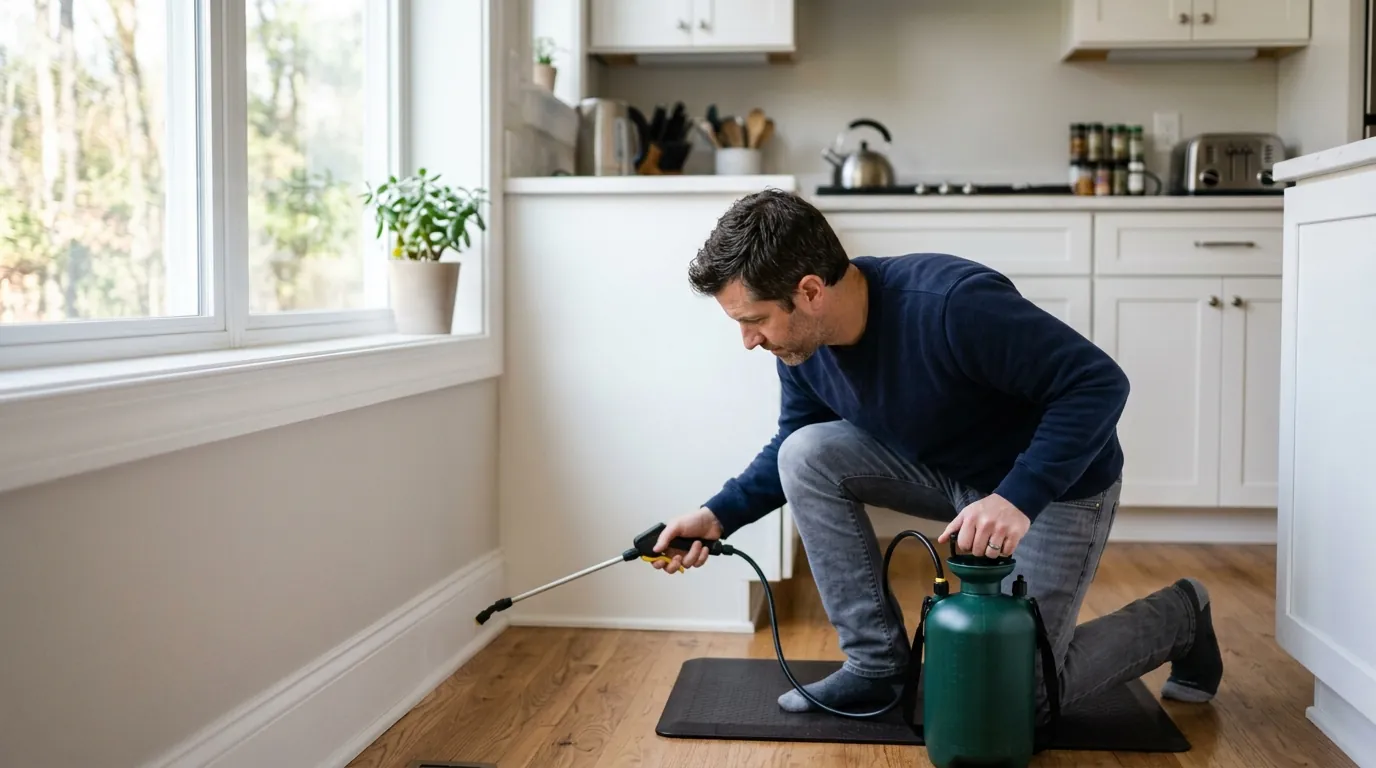
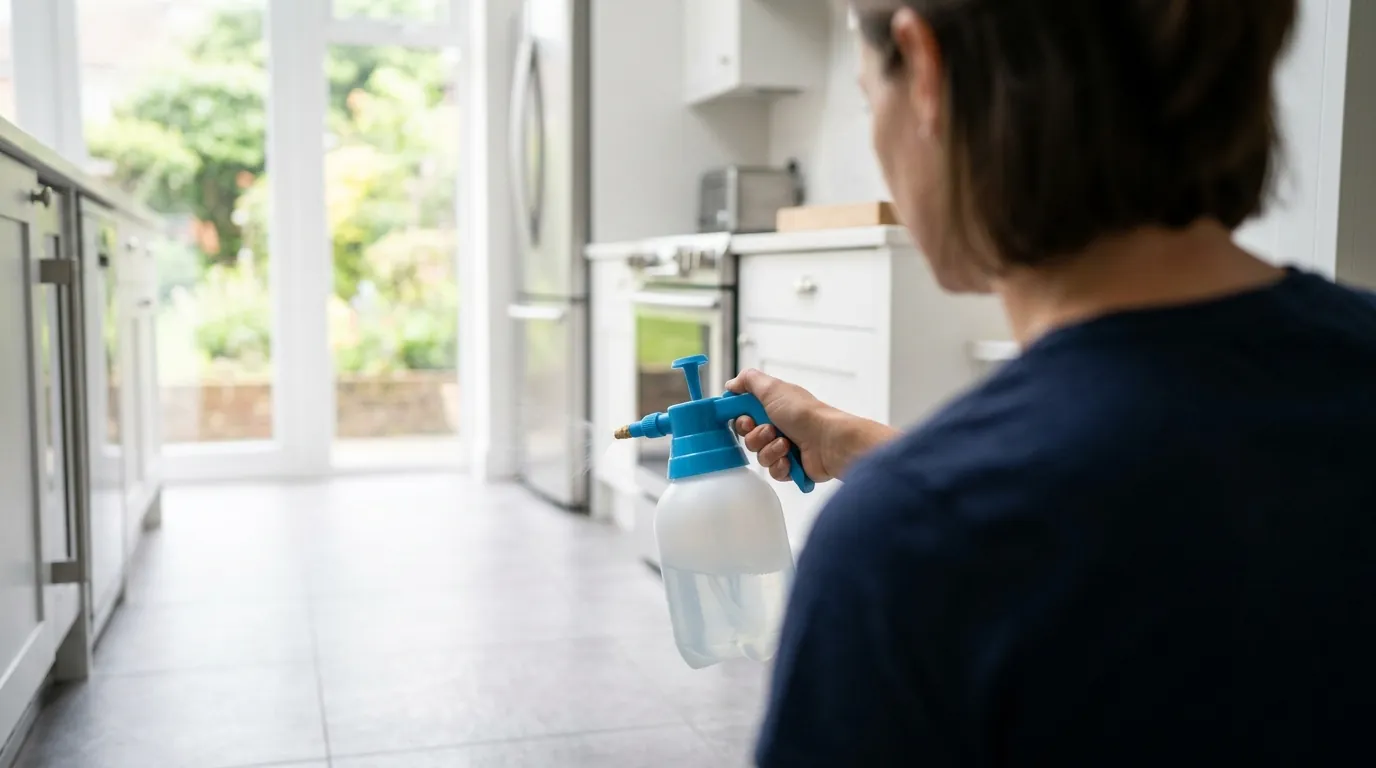
- Skip indoor insecticide sprays. Spraying baseboards does little against insects tucked in wall voids, and dead insects there can attract other scavengers.
Perimeter treatment as a supplement
Outdoors, a licensed professional may apply a labeled perimeter treatment to sunny exterior walls in early fall as a supplement to sealing, never a substitute for it. Any product must be applied according to the EPA product label. For any pesticide exposure or ingestion, call Poison Control at 1-800-222-1222, or your veterinarian for a pet.
A Simple Seasonal Maintenance Calendar
Preventing fall invaders is easier when it rides along with routine seasonal maintenance.
- Late summer / early fall: Inspect and seal the exterior, repair screens, install door sweeps, and clean gutters.
- Fall: Vacuum any stragglers indoors; switch exterior lights to less-attractive bulbs on warm evenings.
- Winter: Vacuum the occasional bug that emerges from a wall void.
- Spring: As it warms, overwintered insects wake and head back outside; vacuum them and note the entry points to seal next year.
When to Call a Professional
Most fall-invader problems are manageable with sealing and a vacuum. Consider a professional if you face very large, recurring populations year after year, if the insects enter through areas you cannot safely reach, or if you want an exterior perimeter treatment done correctly and on schedule. A good technician emphasizes exclusion first and uses targeted exterior products only where they help. If you are unsure which insect you have, capture one in a jar for identification, and it will point you to the right prevention plan.