




The Cheapest Pest Control Is the One You Never Need
Almost every pest that ends up in a home is looking for the same three things: food, water, and a way in. Prevention is simply the practice of taking those away before an infestation starts. It is quieter than a can of spray and far less dramatic, but it is where experienced homeowners and professionals put most of their effort — because keeping pests out is cheaper, safer, and less stressful than driving them back out. This hub gathers the routines that make your home a hard target year-round.
Think of your house as having a perimeter (the yard and foundation), a shell (walls, doors, windows, and vents), and an interior (kitchens, pantries, and storage). Pests probe all three. Good prevention closes the gaps at each layer so that even when pests are active in your area, your home is not the easy option on the block.
Seal, Dry, and Declutter: The Three Habits That Do the Most
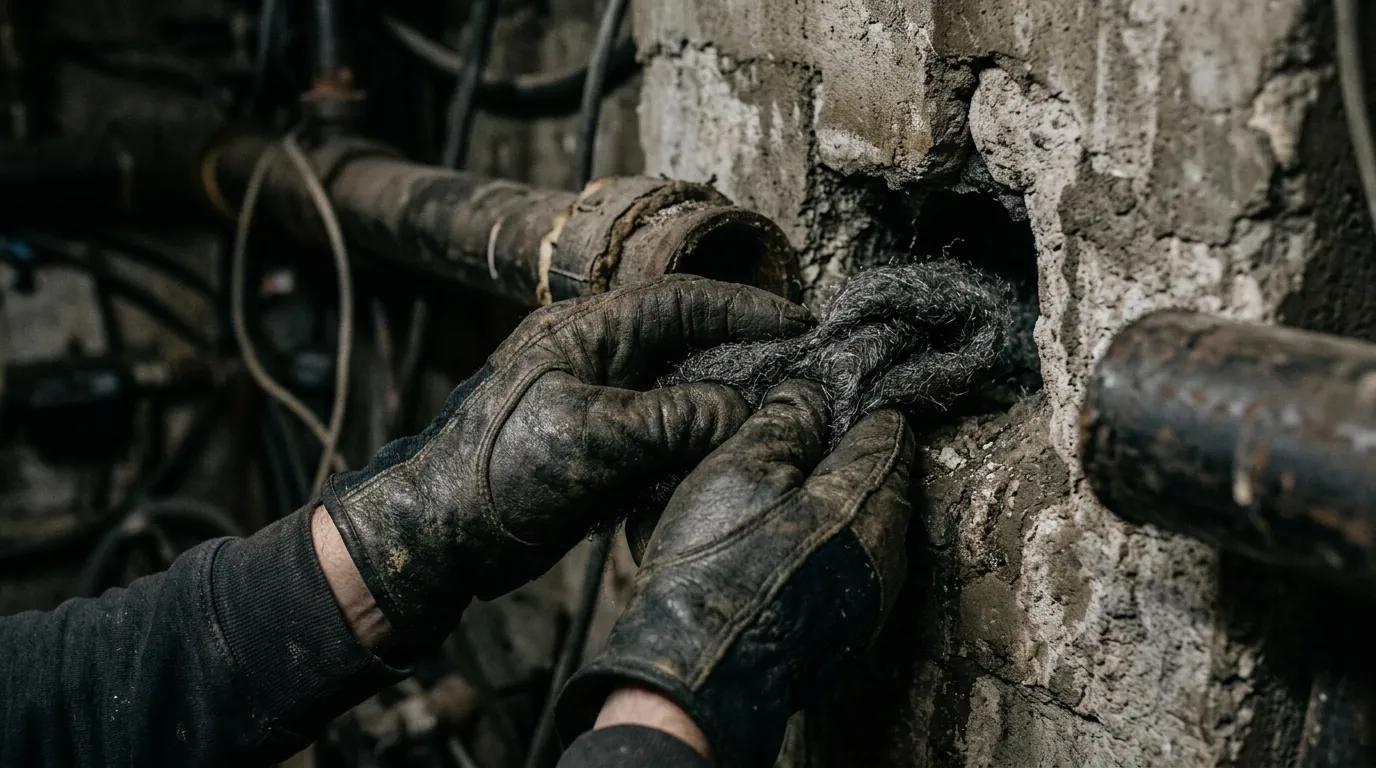
If you only remember three things, remember these. Seal the openings: gaps around pipes and cables, torn screens, worn door sweeps, and cracks in the foundation are open doors to insects and rodents alike. Dry things out: leaks, condensation, clogged gutters, and standing water draw in everything from cockroaches to mosquitoes, which need only a bottle-cap of water to breed. Declutter the places pests hide: cardboard, woodpiles against the house, and overgrown shrubbery give them cover to live and travel unseen.
None of this requires chemicals, and all of it lasts. A door sweep does not wear off the way a spray does. That is the quiet advantage of prevention — you do the work once and it keeps paying off.
Match Your Defenses to the Season
Pests run on a calendar. Spring and summer bring ants, mosquitoes, and yard pests looking to expand. Late summer and fall push "fall invaders" — stink bugs, boxelder bugs, ladybugs, and rodents — toward the warmth of your walls as the weather cools. Winter is the season mice and rats are most likely to move indoors. Knowing what is coming lets you get ahead of it: tighten up the exterior before fall, watch moisture in the humid months, and refresh your yard routine as the weather warms.
Explore the Prevention Guides
This section breaks prevention into practical playbooks. Natural and pet-safe pest control covers lower-toxicity methods for homes with kids and animals. Outdoor yard and perimeter defense tackles the mosquitoes and pests that start outside. Seasonal and fall invader prevention helps you beat the autumn rush of overwintering bugs. Rodent-proofing and home exclusion is the deep dive on sealing mice and rats out for good. Pantry and food-storage protection stops the moths and beetles that hitchhike home in groceries. There are also honest looks at ultrasonic and electronic repellers and at apartment and rental pest control, where your options are different from a standalone house.
A Realistic Word on "Repellents"
Prevention works best when you are honest about what each tool can and cannot do. Physical exclusion and moisture control are dependable. Some plant-based repellents and deterrents can help at the margins but rarely solve an active infestation on their own. Devices that promise to drive out every pest with sound or plug-in technology are, at best, a minor supplement — never a substitute for sealing gaps and cleaning up. We will always tell you where a method earns its keep and where it does not.
When Prevention Isn't Enough
If pests are already established — a rodent you hear in the walls, a roach problem that keeps returning — prevention alone will not clear it, and you will want to pair these routines with the treatment guides or a professional. If any prevention product is a pesticide, read and follow the label, keep it away from children and pets, and store it safely. For any accidental exposure, call Poison Control at 1-800-222-1222 (or your vet for animals). Prevention should make your home safer, never introduce a new hazard.