
Rodent Repellent
Rodent Repellent, ranked from aggregated owner ratings and reviews, not first-hand testing. Real pros, cons, and who each pick is best for.
Our Top 3 Picks
Quick Comparison
| Product | Best for | Buy | |
|---|---|---|---|
| Fresh Cab Botanical Rodent Repellent | Best Overall | See Amazon | View |
| MightyMint 16oz Peppermint Oil Mouse Repellent Spray | Best Value | See Amazon | View |
| Xcluder Rodent Control Fill Fabric | Best Premium | See Amazon | View |
| Stuf-Fit Copper Mesh Rodent Proofing | Best for Sealing Gaps | See Amazon | View |
| Rich's Rat and Mouse Away Blend Pouches | Best for Storage Areas | See Amazon | View |
| Nature's Mace Mouse Mace Rodent Repellent | Best for Outdoor Perimeters | See Amazon | View |
A rodent repellent works best as one layer of a bigger plan. Repellents alone rarely stop mice. Pair them with physical exclusion for real results. This guide covers how each type works, what to read on the label, and when to call a pro.
Rodent Repellent vs. Physical Exclusion for Mice
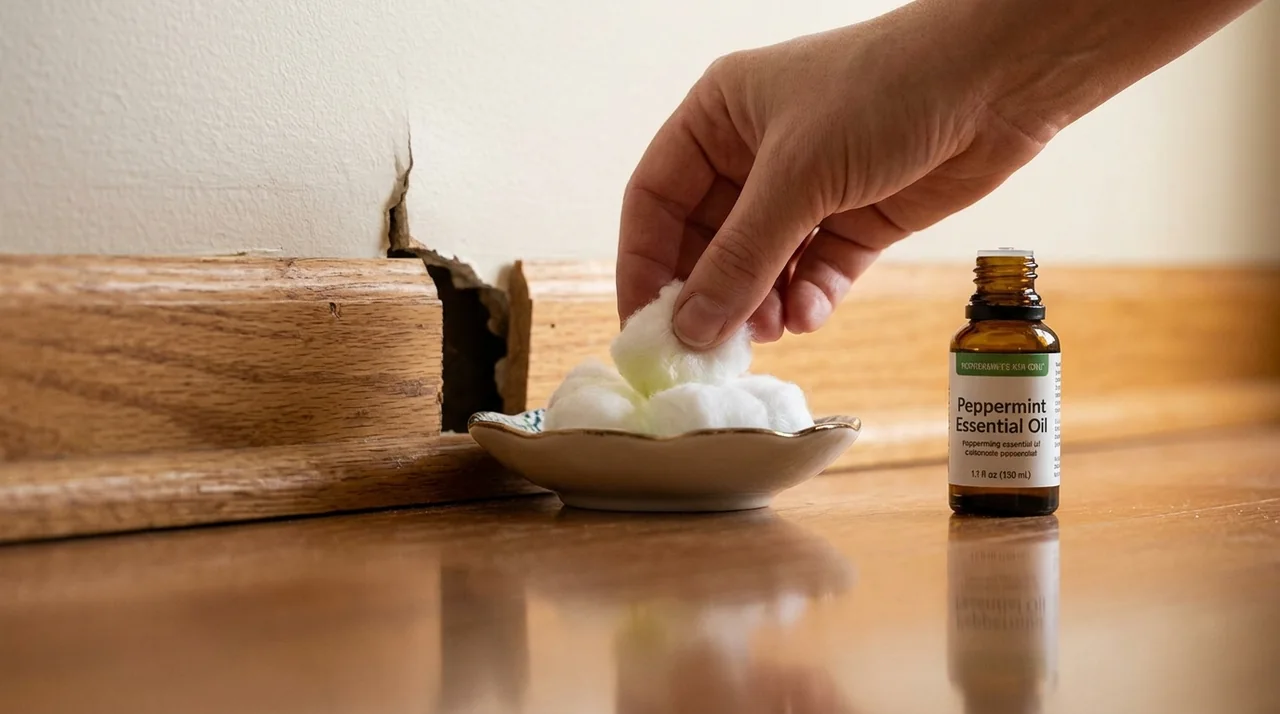
A rodent repellent pushes mice away with smell. Physical exclusion blocks their path. The two work together. Use a repellent in spaces you cannot seal. Use exclusion to close gaps larger than a quarter-inch. A mouse can slip through a tiny hole. Seal first, then repel.How a Plant Based Rodent Repellent Works
Mice rely on smell to find food and travel. A plant based rodent repellent floods that sense. Strong oils make the area feel wrong, so the mouse moves on. This is a deterrent, not a poison. The mice are not harmed. A plant based product can still be crossed if food sits close.Peppermint Oil Rodent Repellent Sprays
Most botanical picks use one main oil. A peppermint oil rodent repellent is the common choice. Any essential oil fades over a few weeks, so refresh a peppermint oil spray often. A repellent spray coats the spots you cannot seal. Keep any oil away from cats.Fresh Cab and Mighty Mint Rodent Pouches
Fresh Cab uses balsam fir oil in scented pouches. Mighty Mint leans on peppermint. A Mighty Mint rodent spray or a Fresh Cab pouch guards closets and stored gear. Both refresh on a set schedule as the scent fades.Rodent Repellent Car Pouches and Repellent Cars Kits
Mice nest in warm engine bays. A rodent repellent car pouch tucks under the hood. For more than one vehicle, repellent cars kits bundle several scent packs. Check wiring for a nest each spring.Mice Rodent, Mouse Rodent, and Rat Rodent Signs
Read the droppings. A mice rodent problem shows dark, soft droppings along walls. A mouse rodent trail leaves grease marks near runs. Rat rodent droppings look larger and blunt. Match the fix to the pest you actually see.Copper Mesh, Steel Wool, and Exclusion Material
Mice chew wood, foam, and soft plastic. They cannot chew tight metal fiber. Copper mesh and steel wool make a strong barrier. Pack it firmly around pipes and vents, then finish with caulk to seal drafts.EPA Registered vs. Minimum-Risk Repellent
Check the label for an EPA registration number. An EPA registered product has shown safety and efficacy data. Fresh Cab carries full registration. Many peppermint oil sprays use the 25(b) minimum-risk rule instead. Both can help.Safe for Kids, Pets, and Pollinators
Plant based pouches are low-risk around kids and pets. Copper mesh adds no chemical exposure at all. Store every product out of reach. If a child or pet swallows one, call Poison Control at 1-800-222-1222. Keep any repellent spray off blooms that pollinators visit.When Droppings Signal an Infestation — Call Pest Control
Fresh droppings, gnaw marks, or scratching in walls mean an active infestation. A repellent will not fix that. Set traps to remove the mice already inside, then seal every entry point. For a large or hidden infestation, call a licensed pest control operator.Full Ranking, Reviewed

Best for Enclosed spaces like RVs, sheds, attics, and storage boxes
- Balsam fir oil active ingredient, EPA-registered
- Pouches placed in enclosed areas, no spraying
- Lasts up to 30 days per pouch per label
- EPA-registered efficacy claims (not just 25(b) exempt)
- No mess, just place and replace
- Works best in enclosed spaces, less effective in open rooms
- Needs monthly pouch replacement
Verdict: The most established repellent pouch for keeping mice out of enclosed storage and seasonal spaces.
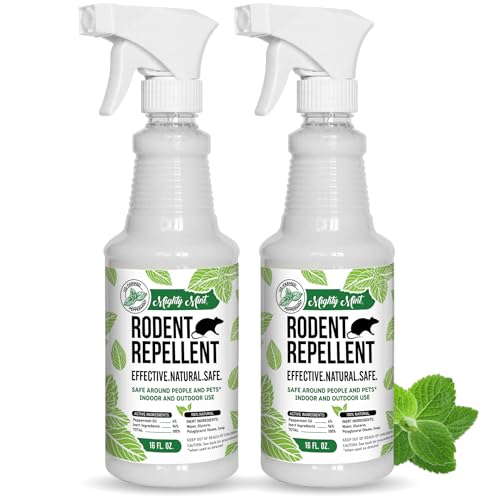
Best for Spot-spraying likely entry points and nesting areas
- Peppermint oil active ingredient
- Ready-to-use spray bottle
- Also marketed for spiders and other pests
- Affordable per bottle
- Pleasant scent compared to other repellents
- Short residual, needs frequent reapplication
- Less proven than EPA-registered pouch products
Verdict: A low-cost way to spot-treat baseboards, garages, and entry points with a peppermint scent deterrent.

Best for Permanently sealing gaps, pipe penetrations, and vents
- Stainless steel and poly-fiber blend fabric
- Cuts to fit any gap or hole shape
- Rodents cannot chew through the woven fibers
- Permanent, non-chemical exclusion solution
- Doesn't degrade or need replacement like sprays
- Premium price for the material
- Installation takes more effort than a spray or pouch
Verdict: The best long-term investment since it physically blocks entry rather than just discouraging it with scent.

Best for Stuffing small gaps around pipes and utility penetrations
- Pure copper mesh roll, rust-resistant
- Flexible for packing irregular gaps
- Won't corrode like steel wool
- Effective physical barrier rodents can't chew through
- Long-lasting outdoors and in damp areas
- Best for small gaps, not large openings
- Requires caulk or foam to fully seal larger holes
Verdict: A reliable, affordable material for finishing off small gaps around pipes and cables.

Best for Closets, campers, and long-term storage bins
- Blend of peppermint and other plant oils
- Small sachet pouches for enclosed spaces
- Multi-pack for several rooms or bins
- Compact and easy to tuck into storage
- No spraying or chemicals to handle
- Limited effect in open or ventilated spaces
- Scent fades and needs periodic replacement
Verdict: A simple, low-effort option for keeping mice out of stored boxes, campers, and closets.
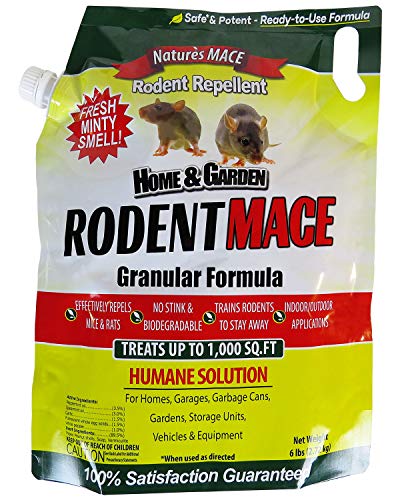
Best for Treating the exterior foundation line to deter entry
- Concentrated botanical repellent for outdoor use
- Covers perimeter areas around foundations
- Rain-resistant formula once applied
- Designed specifically for perimeter application
- Longer outdoor residual than indoor sprays
- Strong odor during and after application
- Needs reapplication seasonally
Verdict: A useful outdoor complement to indoor pouches, aimed at discouraging mice before they reach the foundation.
Frequently Asked Questions
Do rodent repellent pouches actually keep mice away?
EPA-registered products like Fresh Cab have documented efficacy data for enclosed spaces such as attics, sheds, and RVs. They work best in confined areas where the scent can concentrate — effectiveness drops in open, ventilated rooms, so pair pouches with physical exclusion for the best results.
What size gap can a mouse fit through?
A house mouse can squeeze through an opening as small as a quarter-inch (about the diameter of a pencil) because their skulls, not their bodies, are the limiting factor. Seal any gap that size or larger around pipes, vents, and foundation cracks with copper mesh or steel wool plus caulk.
Should I use repellent spray or copper mesh for gaps around pipes?
Use copper mesh or steel wool for the actual gap since mice can't chew through metal fibers, then use caulk or foam to seal it weatherproof. Repellent sprays work better as a secondary deterrent on baseboards and floors, not as a substitute for physically closing an entry point.