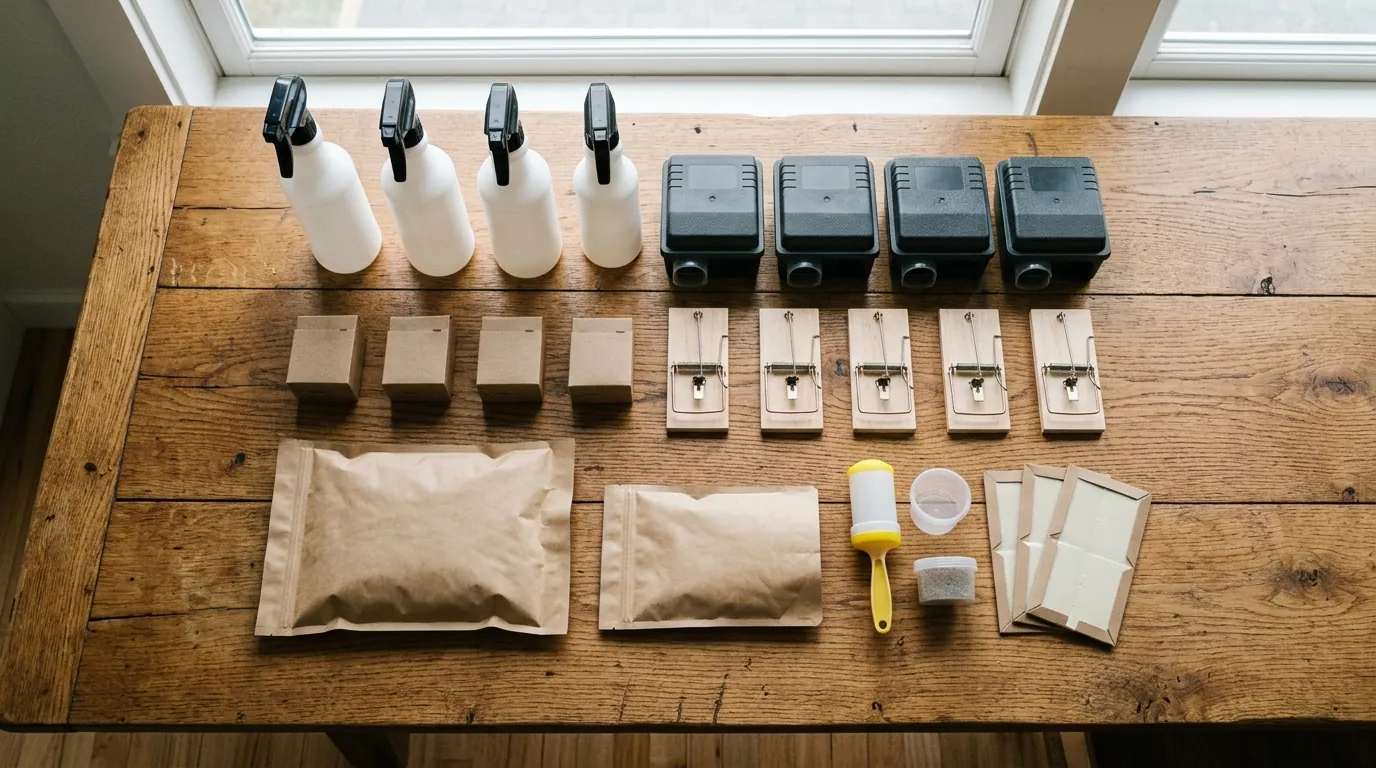


The most common mistake in ant control is reaching for a spray and wiping out the trail you can see. It feels satisfying. It also leaves the colony and its egg-laying queen untouched, so the ants return in days. The best ant products work slowly on purpose, and good ant control follows Integrated Pest Management: bait, sanitation, and sealing together.
Why Liquid Ant Products Beat Sprays
A liquid bait is the smarter core tool for most household ants. Borax, a form of boric acid, works slowly by design. The ant has to survive long enough to spread it before it takes effect. When you first set out baits, you often see more ants, not fewer. That is the product working. Resist the urge to spray, which only cuts off delivery to the nest.
How TERRO Ant Baits Reach the Queen and Colony
The popular TERRO ant killer baits are borax-based, and you can find them at most stores, including Ace Hardware. Foraging ants feed on the sweet liquid, carry it back to the nest, and share it. That reaches the queen and the rest of the colony you never see. Because the bait is slow-acting, a single station can quietly collapse a whole colony over days.
Placing Ant Products Indoors and Out
Getting good results comes down to a few habits. Use these products indoors along the trails ants already follow.
- Place baits on the trails, along baseboards, under sinks, and near doors.
- Do not clean the trail while baiting. The scent trail guides ants to the bait.
- Be patient. It can take days to two weeks. Refresh baits when they empty.
Indoor Ant and Outdoor Ant Options
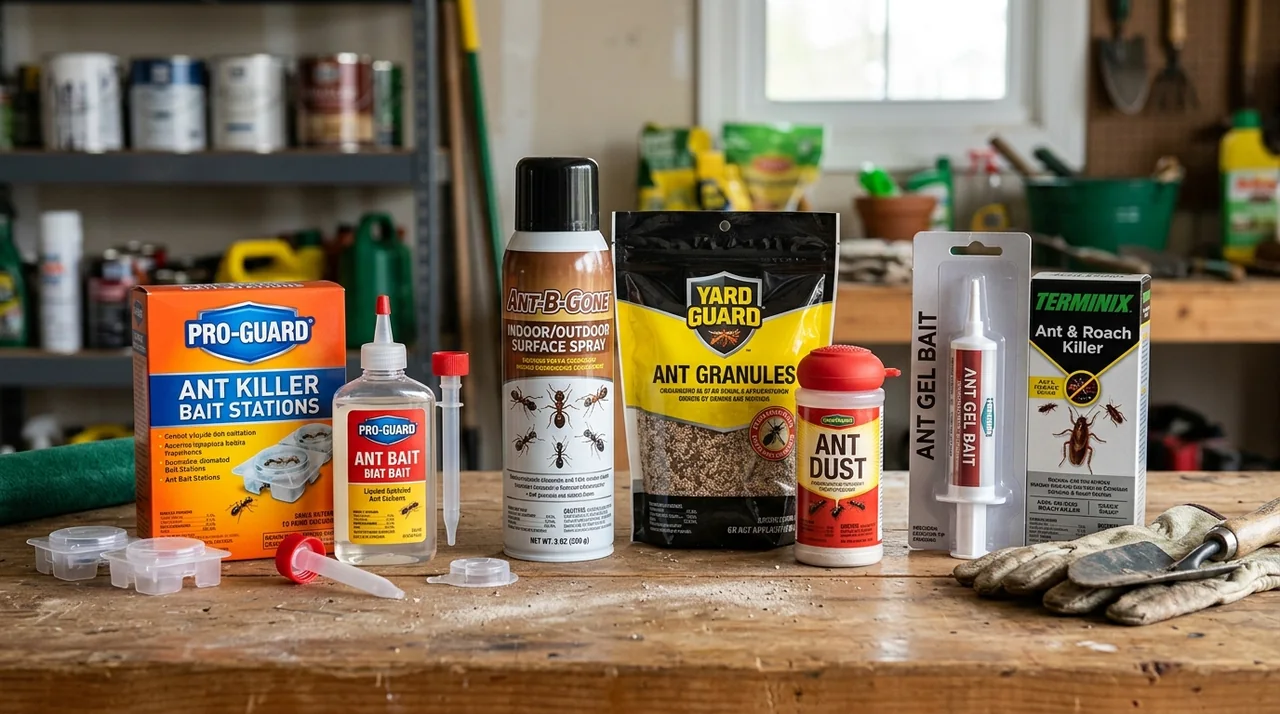
Different jobs call for different tools. An indoor ant problem usually responds to gel and liquid baits in the kitchen. An outdoor ant issue may need granular bait scattered near nests and mounds, which ants carry home. Match indoor and outdoor products to where the ants actually live.
- Liquid and gel baits. The workhorse for colony elimination, best for small household and sugar ant trails.
- Bait stations. Pre-filled, enclosed stations add a safety barrier near pets and kids.
- Granular baits. Scattered outdoors near nests, useful for yard ants.
Commercial Ant, Fire Ant, and Roach Ant Combos
For larger properties, commercial ant products come in bigger volumes. Outdoor fire ants bring painful stings and stubborn mounds, so a commercial fire ant bait or mound treatment labeled for them is the right call. You will also see combo sprays sold as roach ant killers; they kill on contact but scatter ant colonies, so keep them away from baited areas. A commercial fire ant product for pastures is a different animal from a kitchen gel.
Ant Termite Confusion and Termite Products
Homeowners often lump ant termite work together, but ant and termite products target very different insects. Carpenter ants tunnel in damp wood and can be mistaken for termites, yet they do not eat it. Termite products are formulated for a colony that digests cellulose, so never substitute one for the other. When in doubt about ant termite damage, get an identification first.
Carpenter Ant and Sugar Ant Identification
The wrong product wastes time, so match it to the ant.
- Odorous house and pavement ants. These common sugar ant species respond well to sweet liquid baits and patience.
- Grease-seeking ants. May ignore sweet baits, so switch to a protein-based bait.
- Carpenter ant colonies. Large ants in damp or damaged wood, often a sign of a moisture problem. Baiting helps, but heavy activity warrants a professional look.
Non-Repellent Sprays and Boric Acid
Non-repellent perimeter products let ants walk through and carry the active ingredient back, working somewhat like a bait. Boric acid baits remain the dependable backbone. Read and follow the EPA product label for placement.
Products Safe Pets and Kids Can Be Around
Shoppers want products safe pets and children can be near, so enclosed bait stations that hide the toxicant are ideal. Keep loose baits and dusts where pets and kids cannot reach. Choose products safe for the room, and store everything sealed. Wipe up crumbs, store sweets and pet food in sealed containers, and seal the entry points where ants slip in.
Professional Ant Help: When to Call
Baits and prevention handle most household ant problems. A professional ant service makes sense when carpenter ants are damaging wood, when fire ants pose a stinging hazard, or when colonies persist despite consistent baiting. A licensed technician identifies the species and uses non-repellent products correctly. If anyone has a serious reaction to a sting, seek medical care. For any pesticide exposure, call Poison Control at 1-800-222-1222.