


Plug-in gadgets promise to drive pests away with sound you cannot hear. Before you buy one, here is the evidence-based answer and where your money is better spent.
Do Ultrasonic Repellers Really Work?
Do ultrasonic repellers really work? The honest answer is no, not as a reliable standalone solution. Independent testing has generally found little to no lasting effect on common household pests. Years ago the U.S. Federal Trade Commission warned several manufacturers about unsupported claims. If a device promises to clear an infestation on its own, treat that promise with skepticism.
Electronic ultrasonic repellers really work only in lab conditions that rarely match a real home. Ask whether these repellers really do the job before you spend, and the evidence says they do not.
Ultrasonic Repellers and High-Frequency Sound
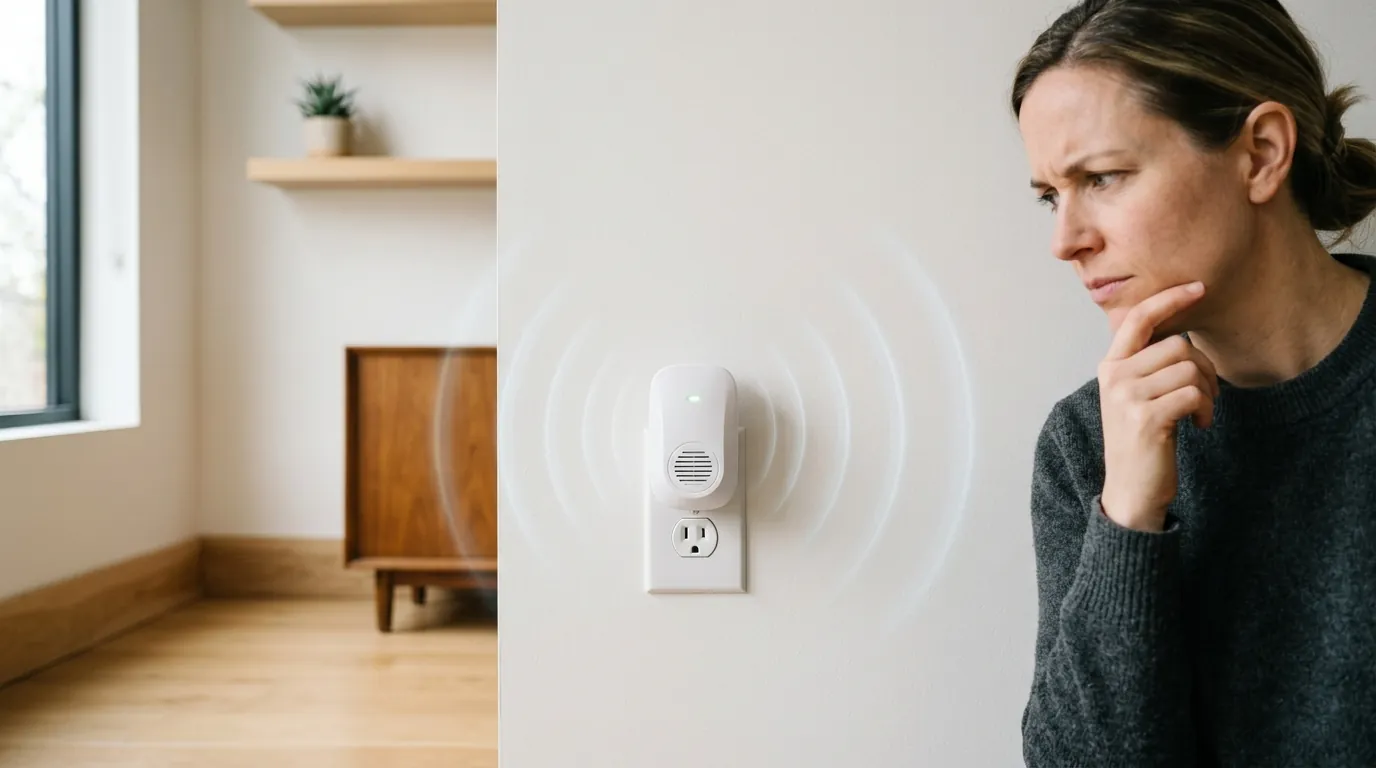
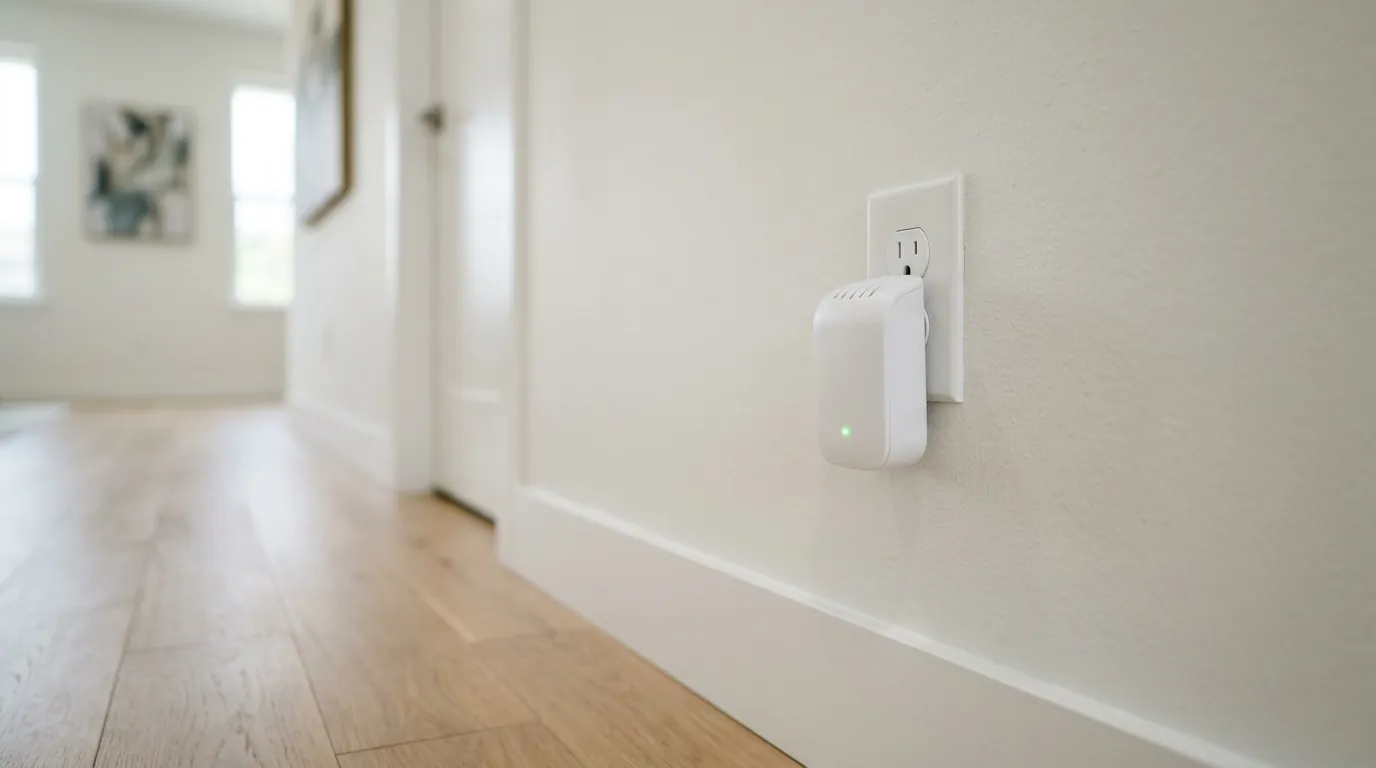
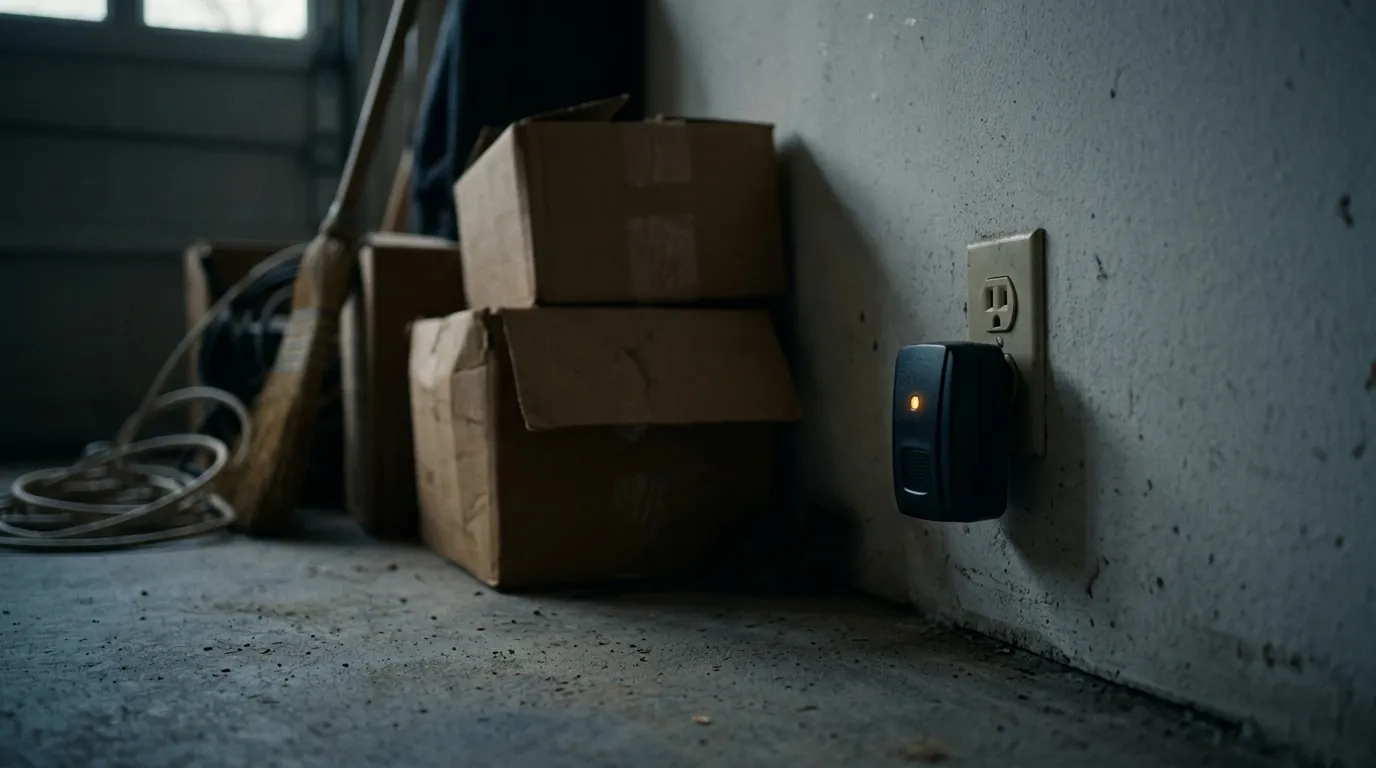
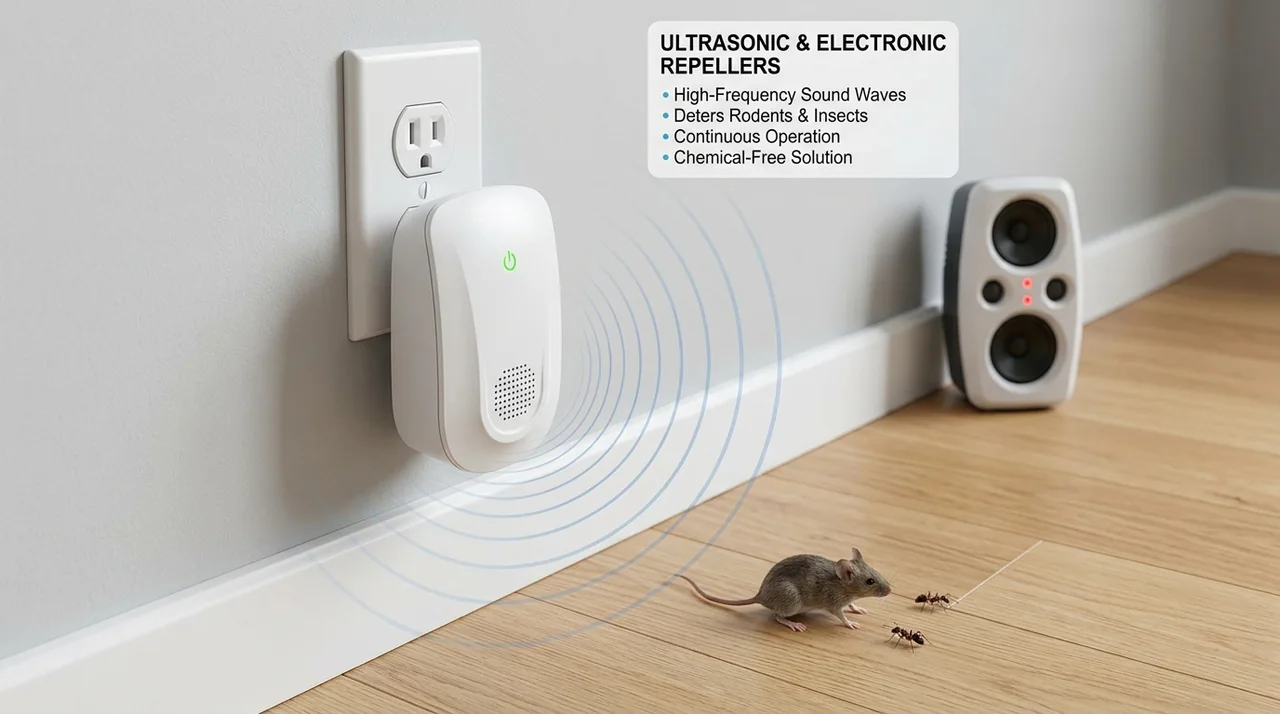
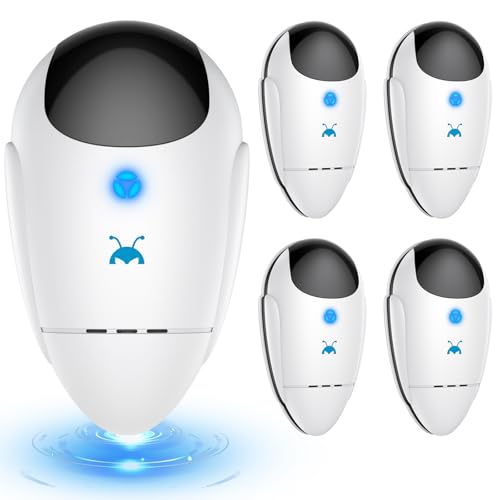
Ultrasonic repellers are small plug-in devices that emit high-frequency sound humans cannot hear. Electronic ultrasonic units all share the same weakness. The idea sounds tidy, but the results in real homes rarely match the marketing.
Why Ultrasonic Pest Repellers Disappoint
There are practical reasons these devices underperform, and knowing them helps you avoid wasting money.
High-frequency sound, wall voids, and limited range
High-frequency sound is easily blocked and absorbed by furniture, walls, and clutter. A device in one room does little for the space behind a cabinet or inside the wall voids where pests actually travel. The effect, if any, has a limited range that drops off quickly with distance and any obstruction.
Rodents habituate to the sound
Even when animals notice a new sound, rodents and other pests often habituate to a constant tone within days, once they learn it poses no real threat, especially when food and shelter are on offer. Many insects do not even hear in the ranges these devices target.
Independent testing versus marketing
Manufacturers rarely publish independent testing under real conditions. The reason a pest "leaves" after you plug one in is usually that its food or water source changed, not the sound. Seal a gap or clean up food at the same time, and it is easy to credit the gadget for work the fundamentals did.
What Actually Works Instead: Exclusion, Sanitation, and Trapping
The methods proven to control pests are affordable and follow integrated pest management, which prioritizes prevention over gadgets.
Exclusion with steel wool, caulk, and door sweeps
Exclusion seals the building. Mice can enter a hole the size of a dime, so stuff larger openings with steel wool or hardware cloth, then seal with caulk or foam. Add door sweeps and repair screens.
Sanitation and removing food
Sanitation removes the food and water that draw pests in. Store dry goods in airtight containers, clean up crumbs and spills, take out trash regularly, and fix leaks.
Trapping with snap traps
For rodents, trapping with well-placed snap traps against walls where droppings appear beats any electronic device, and it confirms you are making progress.
Targeted bait stations and integrated pest management
When needed, bait stations and other labeled products, used strictly according to the EPA product label, address specific pests directly. A tube of caulk, a few traps, and airtight bins will outperform a shelf of repellers, and they give clear feedback: fewer droppings and sprung traps.
If You Still Want to Try Electronic Repellers
If you already own an ultrasonic device or want to experiment, treat it as, at most, a minor supplement, never your main line of defense.
- Do not stop sealing, cleaning, and trapping just because a device is plugged in.
- Keep expectations low and watch for real evidence, like fewer droppings, rather than assuming it works.
- Be mindful of pets. Some dogs, cats, rabbits, and rodents can hear these frequencies, and a device could stress them even if it does nothing to pests.
Electromagnetic pest chasers and plug-in devices
Be equally wary of electromagnetic pest chasers that claim to use house wiring. Like ultrasonic plug-in devices, the supporting evidence is thin, so do not spend heavily; the return rarely justifies the cost.
When to Bring in a Professional: A False Sense of Security, Droppings, and Gnaw Marks
Because these devices give a false sense of security, the biggest risk is letting a real infestation grow while you wait for a gadget to fix it. Reach out to a licensed pest professional when:
- You see droppings, gnaw marks, or hear scratching in walls, which point to an established rodent population.
- Pest sightings continue despite sealing, cleaning, and trapping.
- You face a pest that needs specialized treatment, such as termites, bedbugs, or a wasp nest.