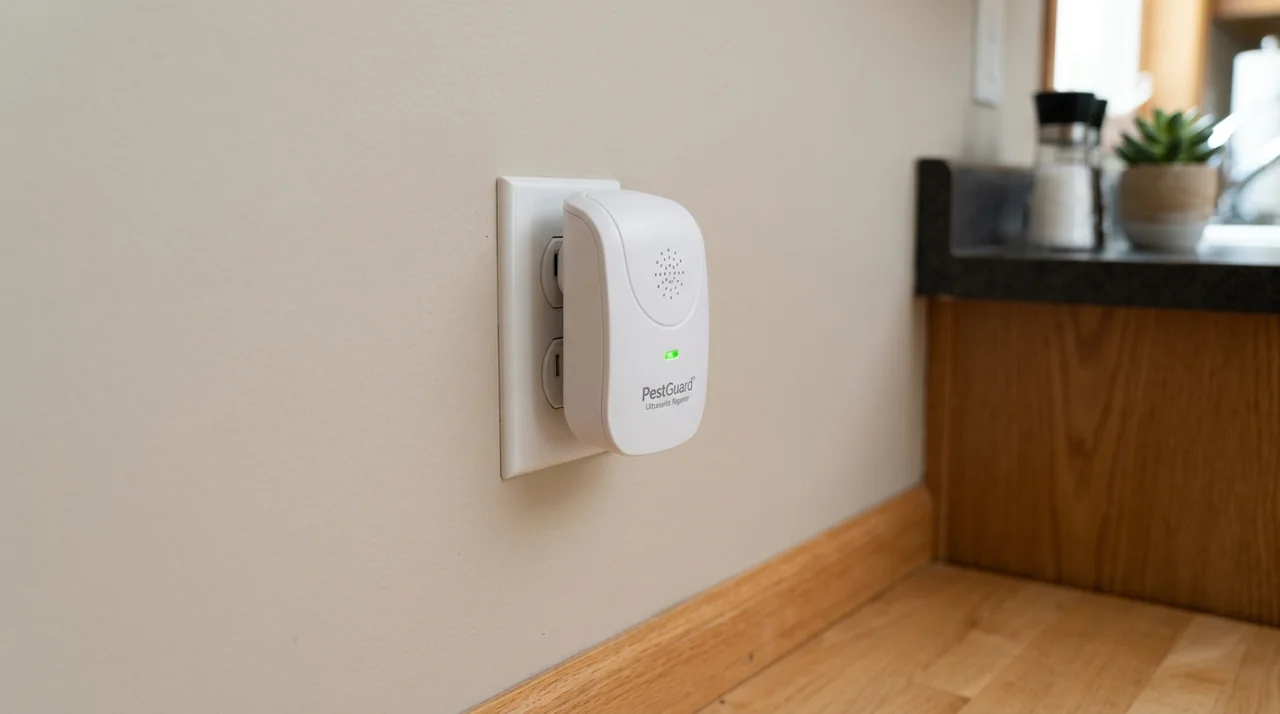
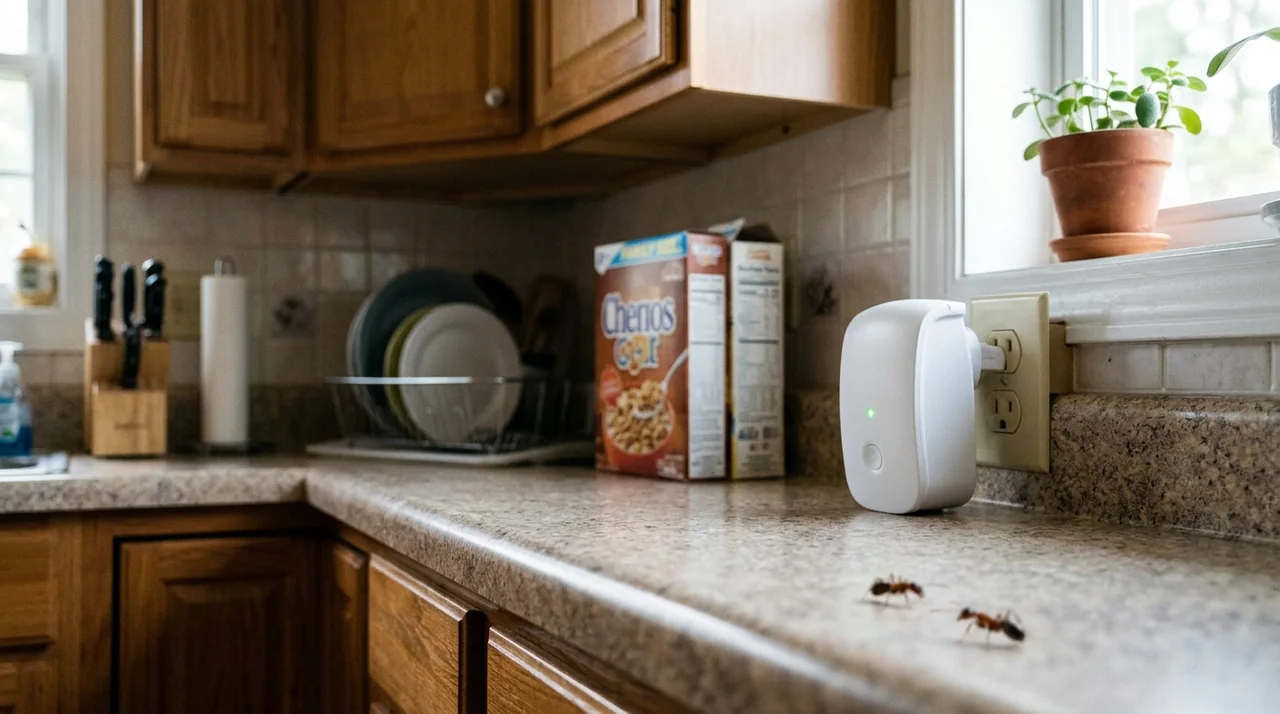
Ultrasonic pest repellers are plug-in devices that emit high-frequency sound, above the range of human hearing, with the promise of driving away insects and rodents. They are inexpensive and appealing because they involve no chemicals or traps. The honest answer to whether they work, however, is that the evidence is weak, and this guide explains why so you can set realistic expectations before buying.
What the Evidence Actually Shows
Independent testing has generally not supported the marketing claims. In the 2000s the U.S. Federal Trade Commission warned several manufacturers of ultrasonic devices that their advertising claims were not backed by scientific evidence. Controlled studies on insects such as mosquitoes and cockroaches, and on rodents, have repeatedly found little to no lasting effect. There is no consistent, reproducible proof that these devices reliably repel household pests under real-world conditions.
A few reasons the physics works against them:
Ultrasound does not travel through walls or furniture. High-frequency sound is easily blocked and absorbed, so a device in one room does nothing in the next, or even behind a couch.
Range is short and directional. Coverage drops off quickly with distance and obstacles.
Habituation. Even where an animal initially reacts, pests often grow accustomed to a constant tone and resume normal behavior within days.
Where the Confusion Comes From
People sometimes report success, which keeps these products selling. Usually that is explained by other factors: the pest problem was seasonal and would have faded anyway, the person also cleaned up food and sealed entry points at the same time, or the initial infestation was mild. Devices that combine a light or an actual trap may catch some insects, but that is the trap working, not the ultrasound.
What to Do Instead
Proven pest prevention is not glamorous, but it is what actually reduces pests, and it is covered throughout this section:
Exclusion: seal cracks, gaps, and entry points; install door sweeps and repair screens.
Sanitation: store food in sealed containers, clean up crumbs and spills, and manage moisture.
Habitat reduction: clear clutter and yard debris where pests harbor.
Targeted control: traps for rodents, and if needed, EPA-registered pesticides used strictly per their labels.
This is the core of integrated pest management (IPM): identify the specific pest, remove what attracts it, block how it gets in, and use targeted control only where needed. It costs less than a stack of gadgets and, unlike an ultrasonic tone a pest simply ignores, it removes the conditions that let an infestation exist in the first place. Monitoring, such as a few sticky traps to see whether numbers are rising or falling, tells you whether your efforts are actually working, which is something a repeller can never confirm.
If you already own an ultrasonic device, there is little harm in leaving it plugged in, but do not rely on it as your defense, and do not stop sealing and cleaning because of it. When any pesticide is used as part of a real control plan, follow the EPA-approved label exactly, and for any accidental exposure call Poison Control at 1-800-222-1222.
Frequently Asked Questions
The scientific evidence does not support the marketing claims. Controlled studies on insects and rodents have generally found little to no lasting repellent effect, and the FTC has warned manufacturers over unsupported advertising. Ultrasound is also blocked by walls and furniture and has short range, and pests often habituate to a constant tone. They should not replace sealing, sanitation, and traps.
Reported successes usually have other explanations. The pest problem may have been seasonal and fading anyway, or the person also cleaned up food, removed clutter, and sealed entry points at the same time, which is what actually reduced the pests. Mild infestations can also resolve on their own. Devices that pair a trap with the sound owe any results to the trap, not the ultrasound.
They are generally considered harmless to people and are inaudible to most adults, though some pets like dogs, cats, and especially rodents kept as pets may hear and be bothered by them. The real concern is not safety but effectiveness: relying on an ineffective device can delay the proven steps, sealing gaps, storing food properly, and trapping, that genuinely solve a pest problem.