
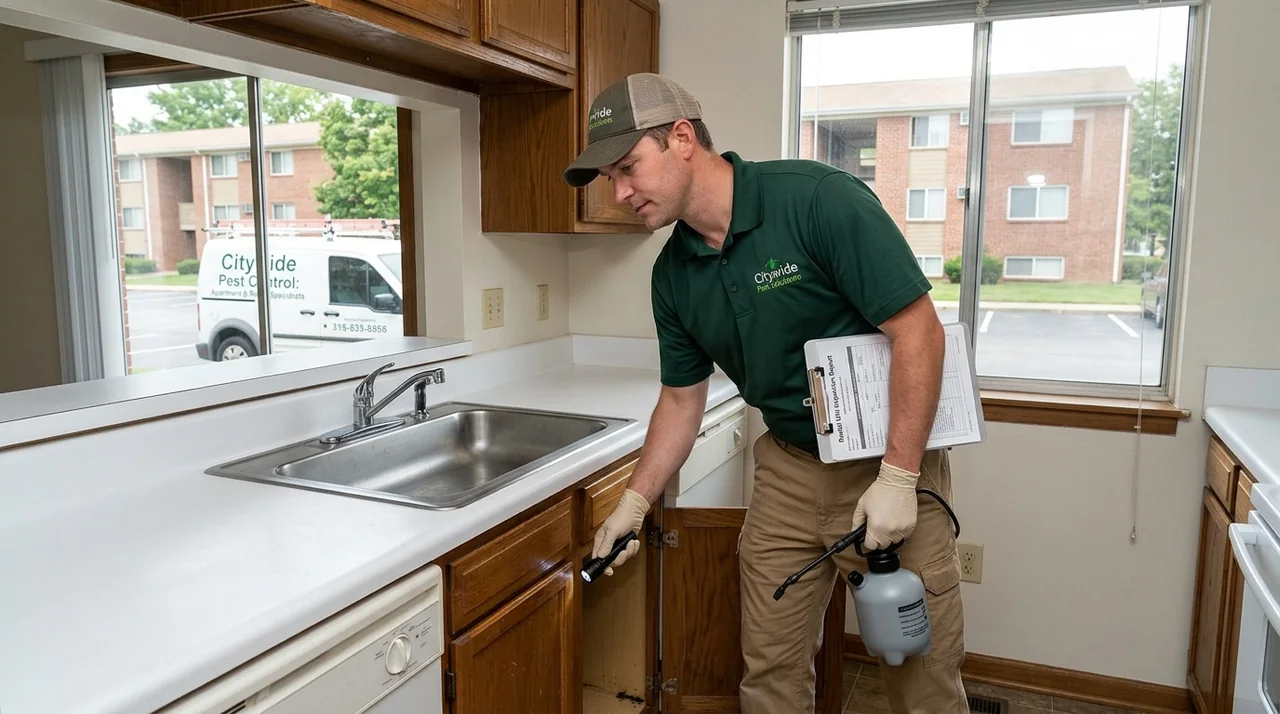


Pest control in an apartment has an extra wrinkle: your unit is connected to your neighbors and to shared spaces you do not control. Here is how to hold up your side and get management to do theirs.
Apartment Pest Control in a Shared Building
Cockroaches, mice, ants, and bedbugs travel through wall voids, plumbing chases, and shared hallways, so a problem next door can easily become yours. Integrated pest management still works in a rental, but it has to account for shared responsibility, your lease, and coordination with a landlord or property manager. Because pests cross unit boundaries, the most durable fixes are building-wide.
Know Your Rights: Lease, Landlord, and Habitable Housing
Before you treat anything, understand who is responsible for what. This is general information, not legal advice, and the specifics vary widely by state and city.
- Check your lease and local law. In many U.S. jurisdictions, a landlord has an obligation to provide habitable housing, which can include addressing infestations. Some leases assign routine pest service to the landlord.
- Report promptly and in writing. Notify your property manager early and keep a dated record. Early reporting protects both your home and your standing if a dispute arises.
- Do not treat in ways that violate your lease. Some buildings require their contracted exterminator, partly because uncoordinated spraying in one unit can push pests into neighboring units.
What You Can Control Inside a Rental: Sanitation and Exclusion
Even in a rental, most daily prevention is in your hands, and it is powerful.
Sanitation and decluttering
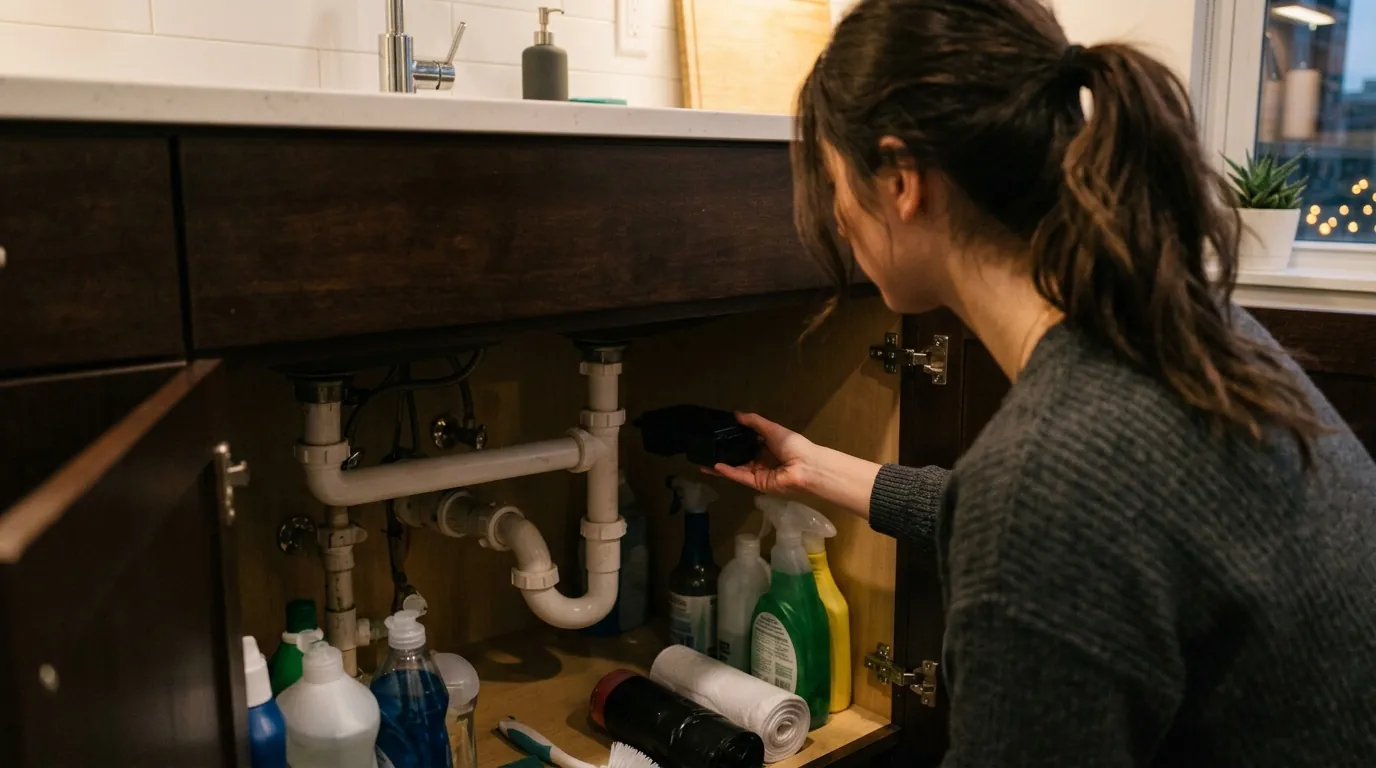
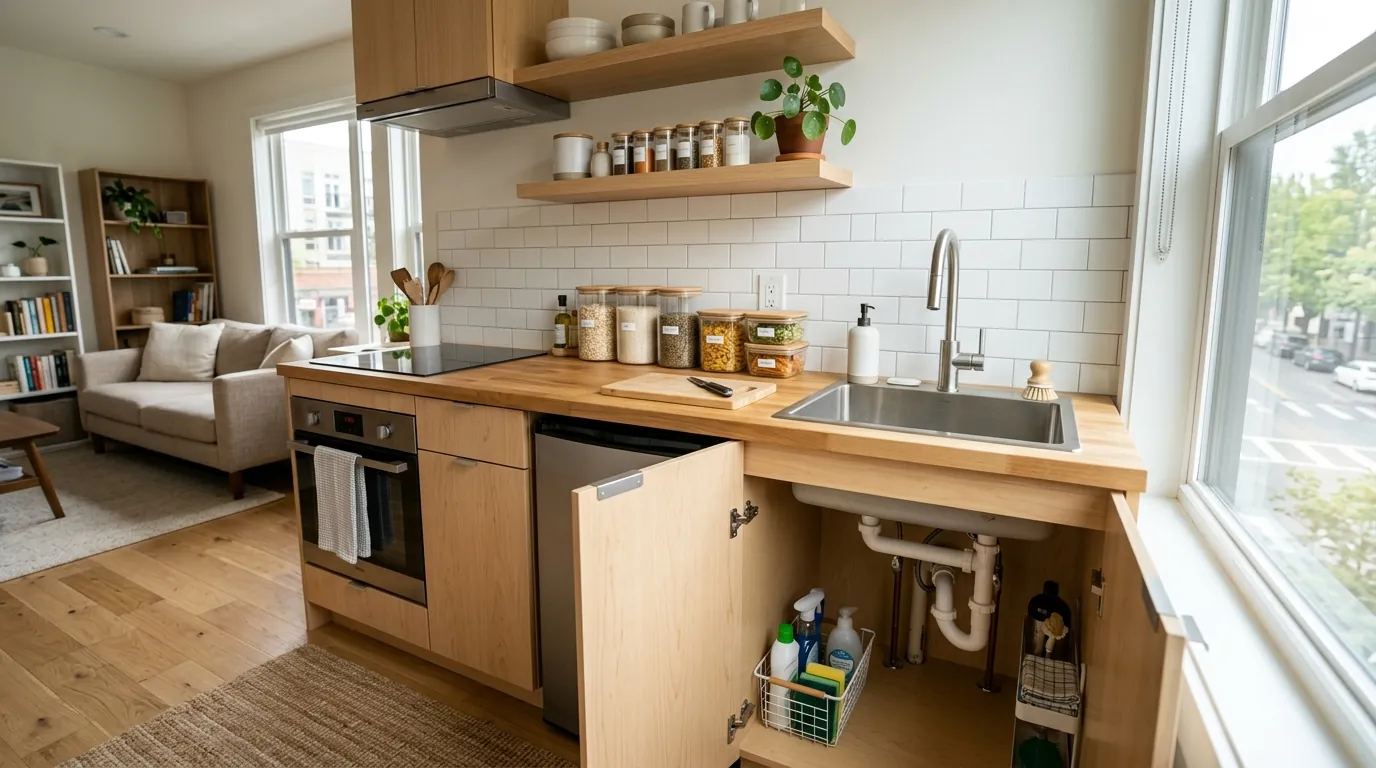
Sanitation starves pests out. Wash dishes promptly, wipe counters, sweep floors, take out trash often, and store food and pet food in airtight containers. Crumbs behind the stove are prime roach and ant fuel. Report leaks quickly, since cockroaches and silverfish thrive on moisture. Declutter, too: cardboard and paper piles give pests harborage, so switch to plastic bins kept off the floor.
Exclusion with caulk, steel wool, and door sweeps
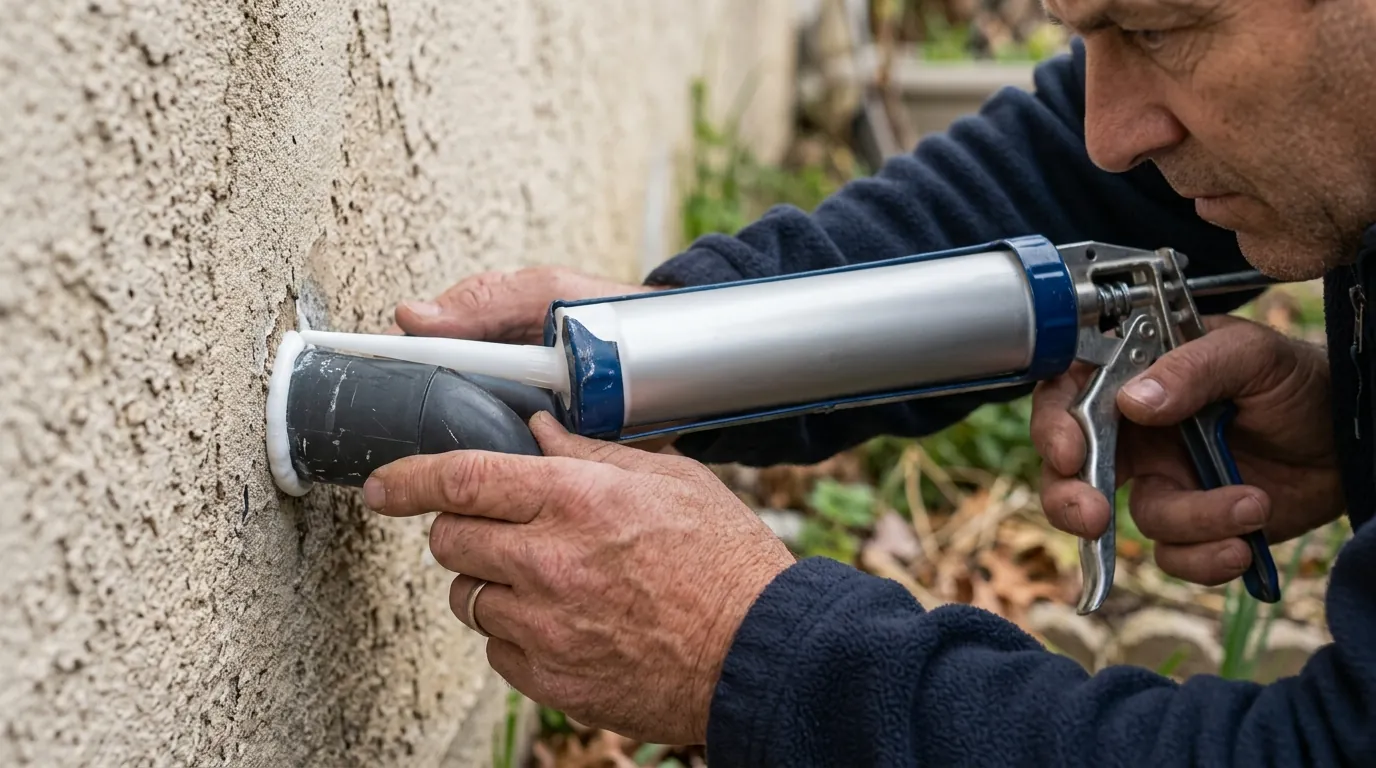
Exclusion within your walls closes the routes pests use. Seal gaps around pipes, along baseboards, and around outlets with caulk. Stuff larger holes with steel wool before sealing, and add or request door sweeps. These steps make any professional treatment far more effective.
Handling Specific Apartment Pests
Different pests call for slightly different tactics in close quarters.
Cockroaches: gel baits and sticky traps
Gel baits placed in cracks, under sinks, and behind appliances are effective and low-odor, and they let roaches carry the active ingredient back to hidden harborage. Avoid broadcasting sprays that scatter roaches into neighboring units. Monitor with sticky traps to see where activity is highest.
Mice: snap traps and wall voids
Seal entry points and set snap traps along walls where droppings appear. In a shared building, mice often travel through wall voids from common areas, so loop in management.
Ants: ant baits, not sprays
Follow trails to find entry, wipe away the scent trail, and use labeled ant baits rather than spraying the trail, which only scatters foragers.
Bedbugs and mattress encasements
Bedbugs deserve special care. Do not try to solve a bedbug problem with DIY sprays alone. Report immediately, avoid moving infested items through the building, and expect that professional, coordinated treatment across adjacent units is usually needed. Reducing clutter and using mattress encasements helps.
Any product you use should be applied strictly according to the EPA product label, and confirm your lease permits resident-applied treatments.
Coordinating With Neighbors and the Property Manager
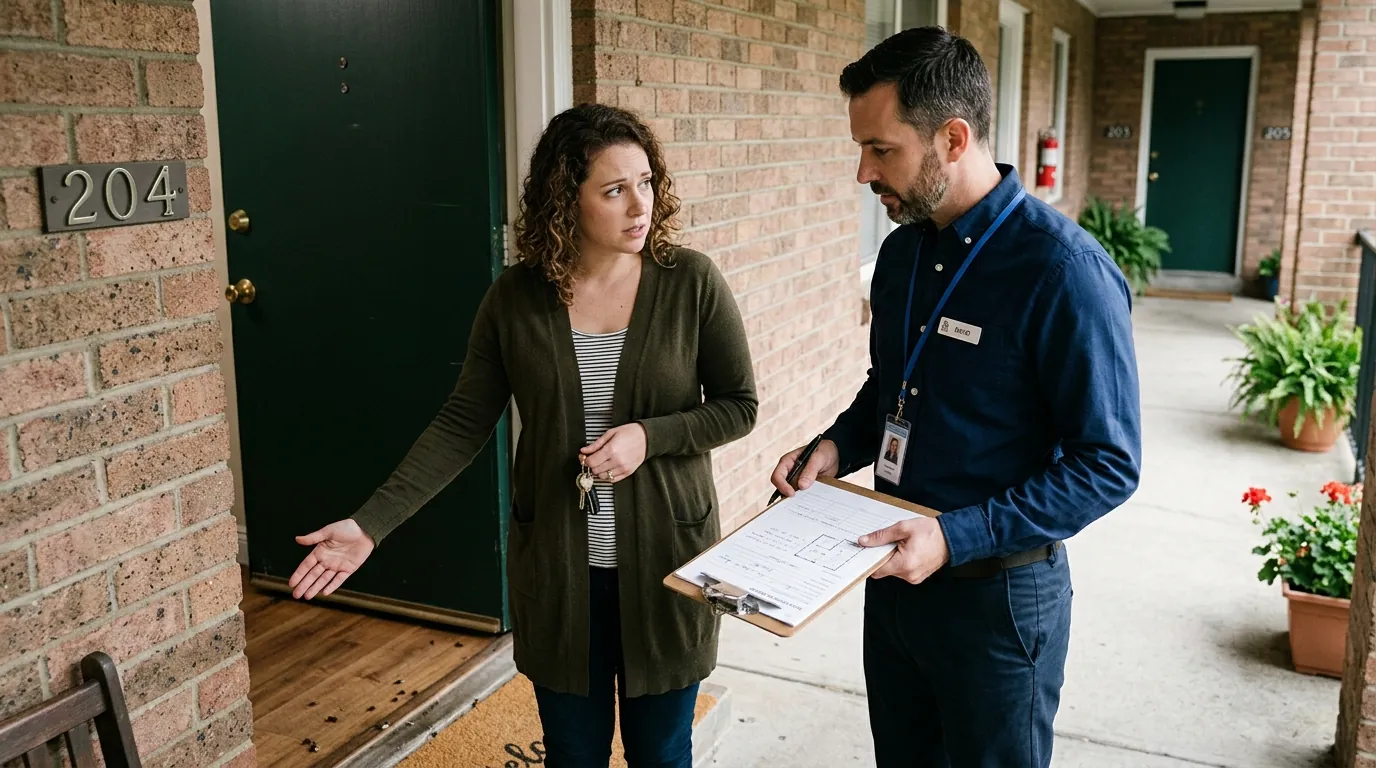
Shared buildings reward cooperation. Compare notes with neighbors; simultaneous sightings point to a shared source that management should address building-wide. When you report to your property manager, be specific: which pest, where, how often, and any photos. Ask what the building's pest-control schedule is and whether you need to prepare your unit, such as emptying cabinets and pulling furniture from walls, before a technician visits. Preparing properly makes a single professional visit much more successful.
When to Escalate: Integrated Pest Management With a Pro
For renters, calling a pro often means pressing your landlord to send their licensed contractor. Push for professional treatment when:
- The infestation persists despite good sanitation and exclusion.
- You suspect bedbugs, termites, or a heavy roach or rodent population.
- Multiple units are affected, which almost always needs a building-wide response.