


Open a bag of flour and find it webbed together or crawling, and you have met a stored-product pest. Pantry moths are the ones most people notice first. The good news is simple. You almost never keep these pests out of the house. You catch and contain what rides in from the store. Smart food storage does most of the work.
Meet the Pantry Pests and Pantry Moths
The most common culprit is the Indianmeal moth. Its larvae leave telltale silky webbing in dry goods. Close behind are beetles and weevils. These pantry pests feed on flour, grains, cereal, dried fruit, nuts, spices, birdseed, and pet food.
The single most important fact is this. They almost always arrive inside a package from the store, not through your windows. The USDA notes that stored-product insects are common in raw grains and are usually brought home unseen.
The Indianmeal Moth, Flour Beetles, and Weevils
Correct identification saves you from throwing out the whole kitchen.
- Indianmeal moths. Small two-toned moths flying in lazy zigzags near the ceiling, plus webbing in dry goods. The larvae do the damage. Adult moths mean they have already been breeding.
- Flour beetles. Tiny reddish-brown beetles in or near the pantry, often in open flour and cereal.
- Weevils. Small snout beetles that turn up right in rice, flour, and whole grains.
Spot the Larvae in Grains and Dry Goods
Inspect every open and unopened package of susceptible food. Look for webbing, tiny holes, live insects, or larvae. Grains and dry goods hide the earliest signs. An infestation often persists because one contaminated package was missed. The hidden eggs matter as much as the adults you can see.
Clean Out the Infestation From Every Shelf and Cupboard
Once you find the source, a thorough cleanout usually solves the problem without any pesticide.
Airtight Containers and Rotate Stock
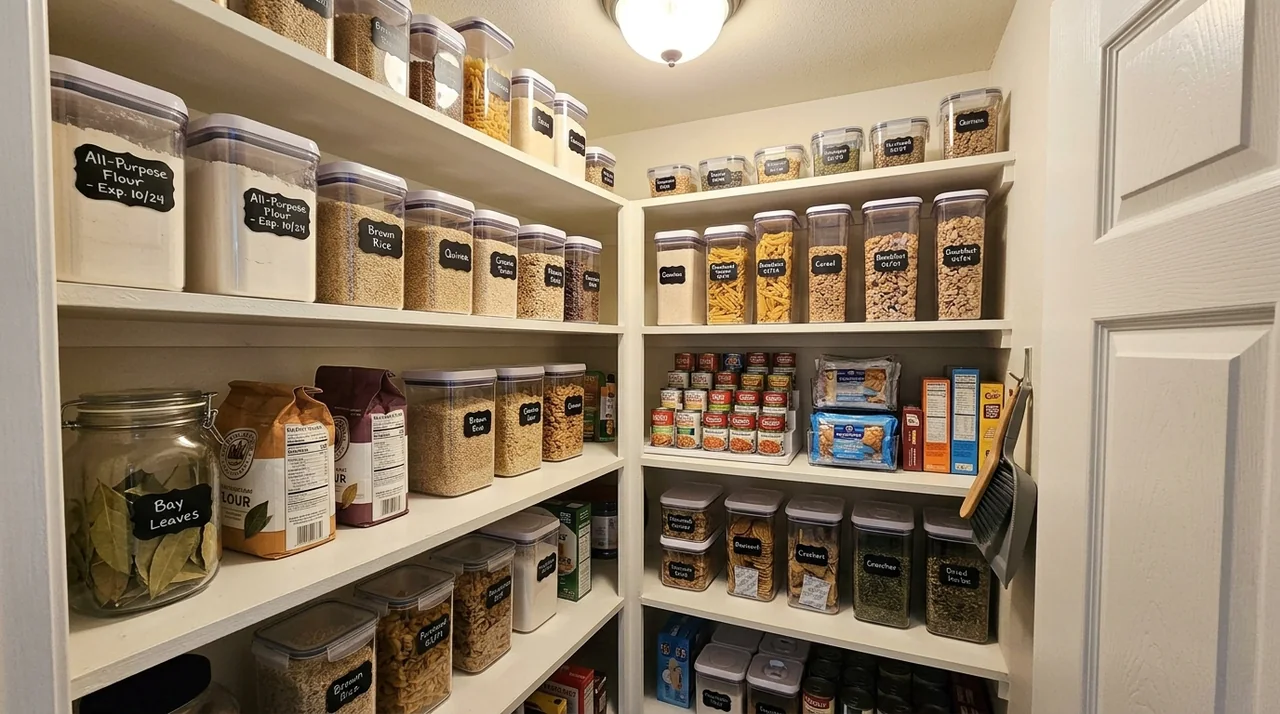
Prevention is durable once the pantry is clean. Store dry goods in airtight containers made of glass or hard plastic with tight lids. Thin cardboard and plastic bags are no barrier. Buy in reasonable amounts and rotate stock, using older items first, so nothing sits long enough to breed. Wipe up spills fast, since even a little flour can feed a population.
Freeze New Grain and Store in Sealed Containers
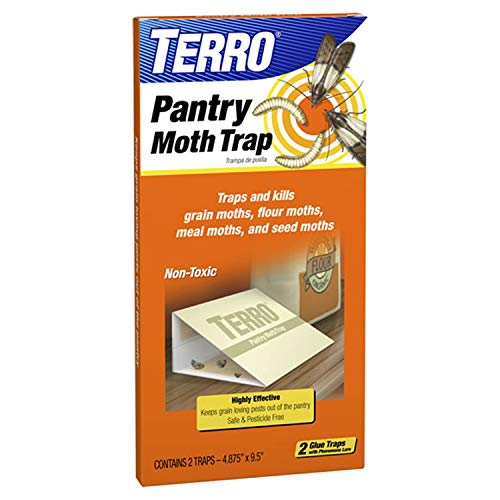
Freezing is a quiet, non-toxic weapon. Freeze incoming grains, flour, or nuts for about a week to kill any hitchhiking eggs before they reach your shelves. A stint in the freezer also rescues a valuable dry good you suspect is infested. Move everything into sealed containers afterward so nothing can re-invade. Pheromone traps for Indianmeal moths help you detect a new problem early, but treat them as a monitoring tool, not a cure.
Food Storage, Sanitation, and Label Safety
Pantry pests are the classic problem you solve with sanitation, not sprays. This is Integrated Pest Management at its simplest: remove the food source and the pest starves. Insecticides are rarely needed and are a poor choice around food. Do not spray pesticides inside cabinets where food is stored.
If a persistent problem seems to come from shelving cracks, a licensed professional can advise on a labeled crack-and-crevice treatment. Any product must be used exactly as the EPA product label directs, with food removed first. Choose durable storage containers you can seal, wash, and reuse. For any accidental pesticide exposure, call Poison Control at 1-800-222-1222.
When Pantry Moths Keep Coming Back
Most pantry infestations end with a careful cleanout and airtight storage. Call a professional if moths or beetles keep returning after you have thrown out infested food, deep-cleaned, and switched to sealed containers. Recurrence usually means a hidden source remains, such as a spilled reservoir behind an appliance or a forgotten pet-food stash. A pro can find that overlooked source and confirm the pantry is truly clear.