

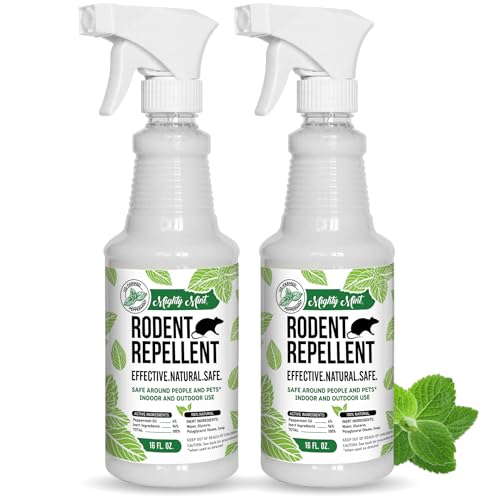

Most people reach for a mouse repellent first. It feels easy. The trouble is that repellents rarely fix the real problem. Trapping clears the rodents already inside. Home exclusion, sealing your home so new ones cannot get in, is what keeps them out for good. Rodent-proofing is the durable half of the job.
If you trap without sealing, you sign up for an endless cycle. Mice and rats simply follow the same openings back in. That is why professionals treat exclusion as the real solution and trapping as the cleanup. A sealed gap does not wear off the way a spray or bait does. This approach is the core of Integrated Pest Management, which favors physical fixes over chemicals.
Why Home Exclusion Beats Trapping and Repellents
The numbers make exclusion feel urgent. A house mouse can squeeze through a gap the size of a dime, about a quarter inch. A rat can pass through one the size of a quarter, about half an inch. The two rats you will meet are the Norway rat, which stays low, and the roof rat, which climbs.
Rodents are also persistent gnawers. They enlarge small holes and chew through soft materials. So rodent-proofing is partly about finding tiny openings. It is partly about sealing them with materials tough enough to resist a chew-back.
Rodent-Proofing Starts by Finding the Entry Points
The heart of the job is a careful inspection, inside and out. Rodents exploit gaps you would never think twice about. Look methodically.
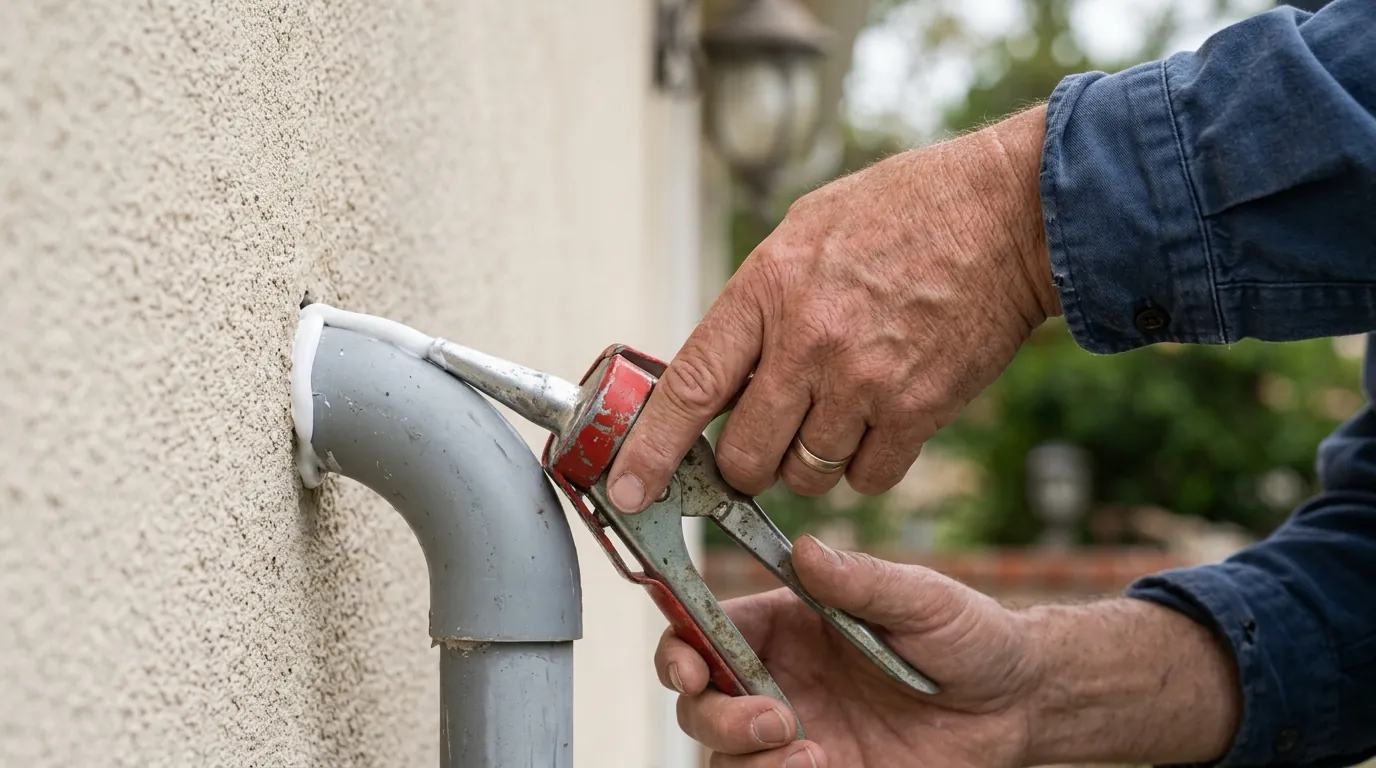
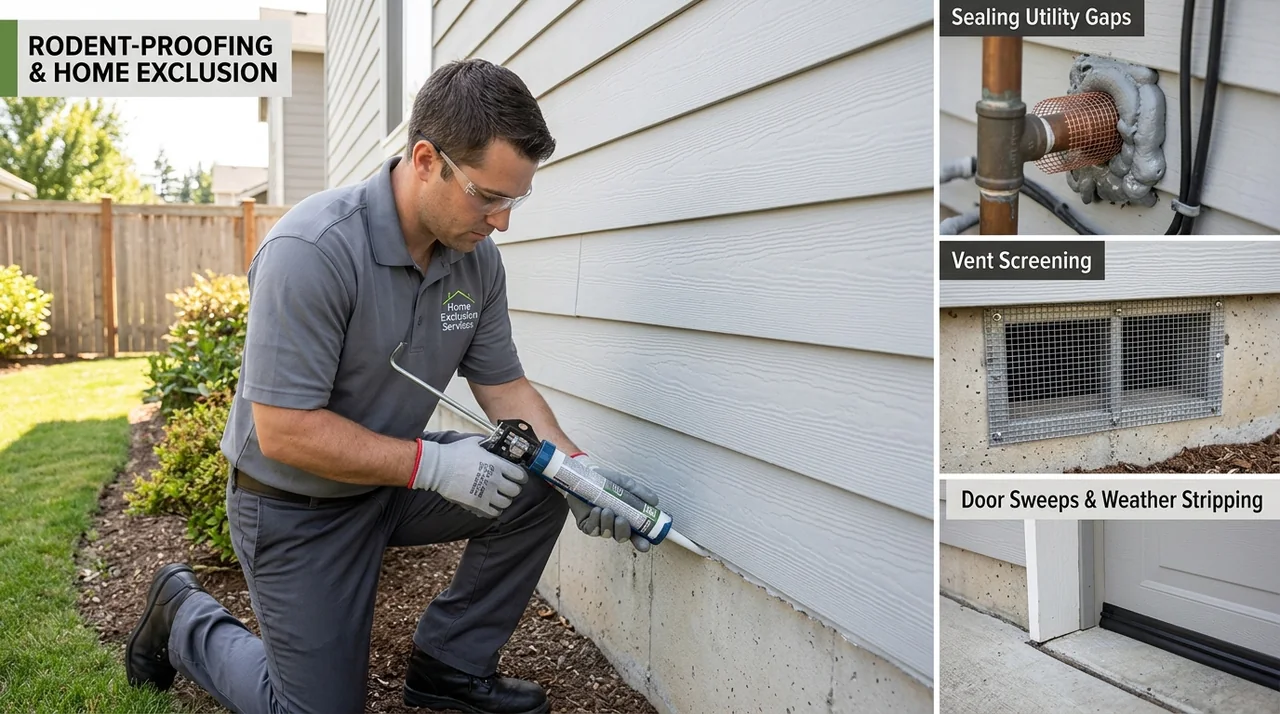
- Utility penetrations. Gaps where pipes and wires enter the home are the most common entry points. Check under sinks and behind appliances.
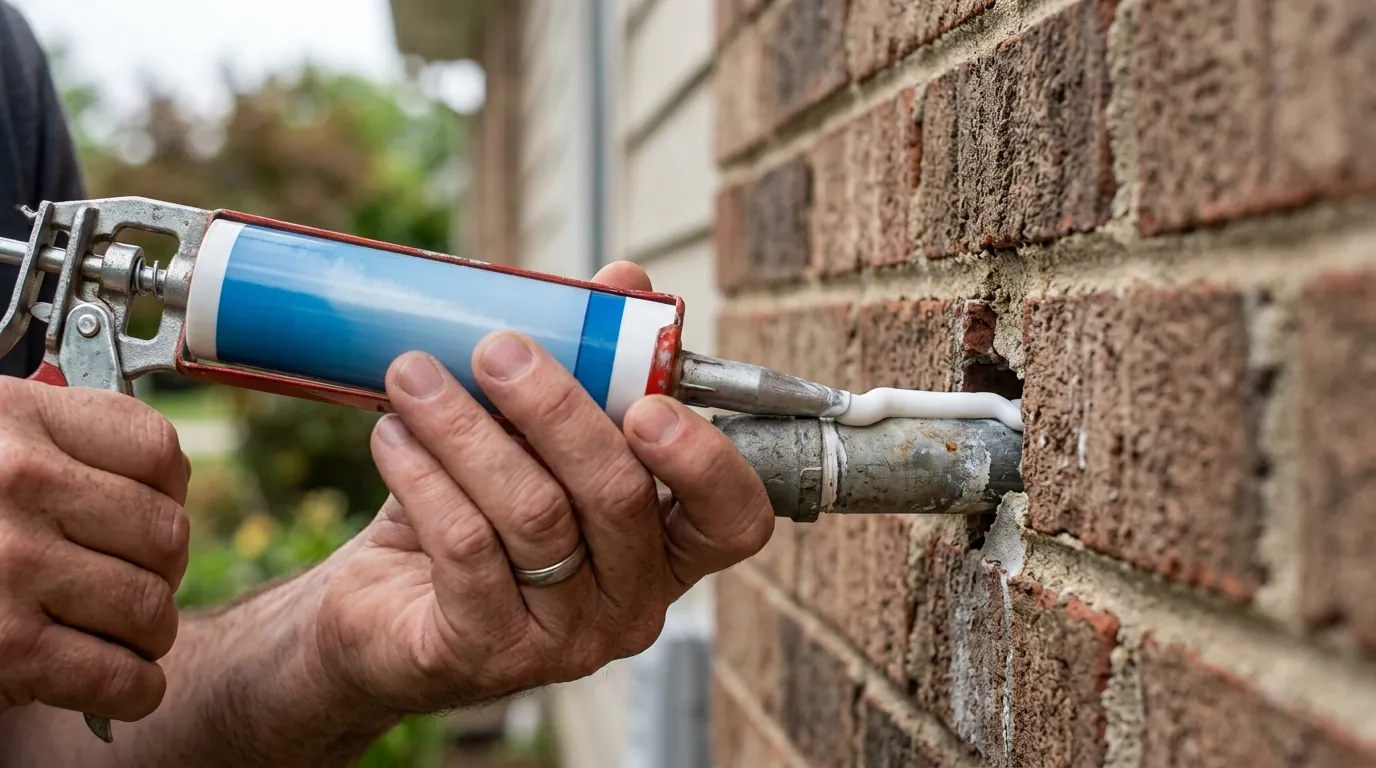
- Foundation and walls. Look for foundation cracks, gaps in siding, and crumbling mortar.
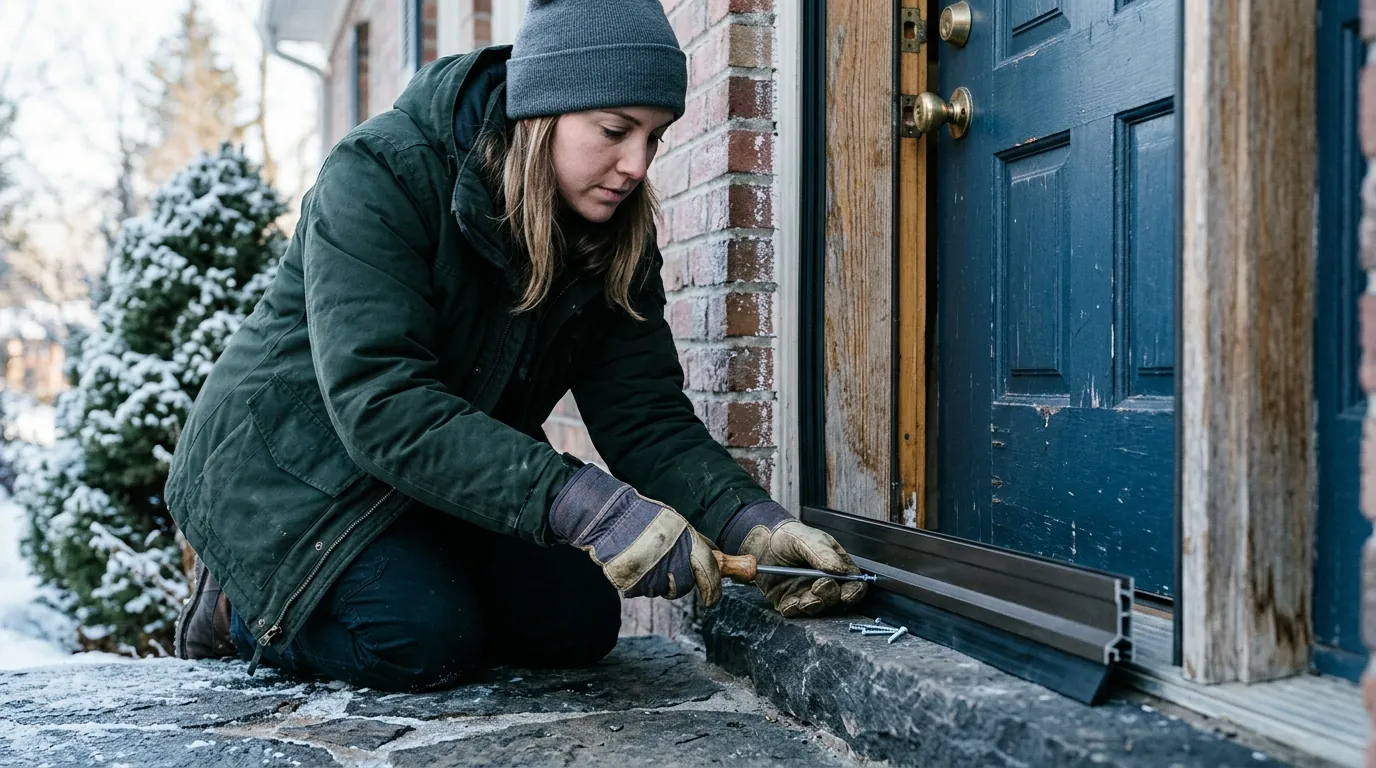
- Doors and garages. Check gaps under exterior and garage doors. Garage doors are a frequent miss.
Check the Attic, Crawl Space, and Vents
Do not stop at eye level. Inspect the attic, the crawl space, and every vent. Climbing roof rats use eaves, soffits, and tree branches that touch the roof. Cover dryer, attic, and crawl space vents, weep holes, and chimney openings with metal mesh. The crawl space is dark and easy to skip, so bring a light and check it twice.
Seal Gaps With Steel Wool, Copper Mesh, and Hardware Cloth
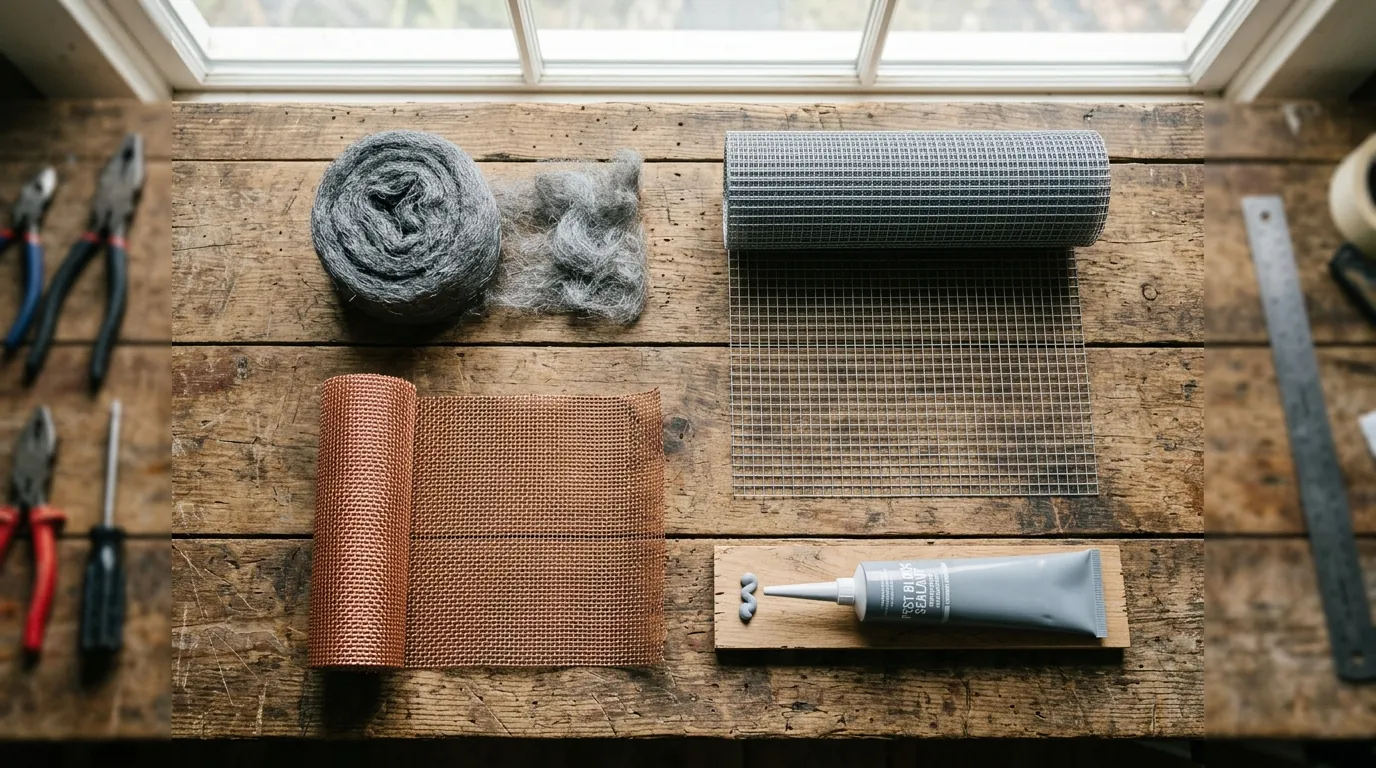
Rodents chew through foam and caulk alone. To seal gaps for good, use gnaw-resistant materials, often in combination.
- Steel wool or copper mesh packed into a gap makes a chew-resistant plug. Back it with caulk to hold it. Copper mesh resists rust.
- Hardware cloth covers vents and larger openings while still allowing airflow.
- Sheet metal or flashing protects chewed edges and door bottoms.
- Concrete or mortar patches foundation cracks and holes.
Door Sweeps, Weatherstripping, and Foundation Cracks
Doors are the gaps people skip. Fit sturdy door sweeps and fresh weatherstripping on every exterior and garage door. Patch foundation cracks with mortar. This is small, detailed work. It is also the step that separates a temporary fix from a rodent-free home.
Snap Traps Clear the Rodents Already Inside
Once the home is sealed, remove the rodents still inside. Snap traps are the classic tool. They are cheap, effective, and give a clear result. Set snap traps along walls where droppings appear, since mice and rats run tight to edges. Bait lightly and check daily. Trapping without sealing only invites new rodents through the same gaps.
Do Peppermint Oil and Ultrasonic Devices Work?
Here is the honest answer. Peppermint oil, ultrasonic devices, and similar deterrents are heavily marketed but unreliable on their own. Independent testing does not support an ultrasonic repellent as a standalone fix. Treat any repellent as a minor supplement to sealing, never a replacement.
Sanitation Removes the Invitation
Sealing works far better when you also remove what draws rodents in. Good sanitation is half the battle. Inside, store food, pet food, and birdseed in sealed containers. Wipe up crumbs and take out trash often. Outside, clear woodpiles away from the foundation and keep firewood off the ground. Pick up fallen fruit and trim branches back from the roof.
When an Infestation Needs a Professional
Rodent-proofing suits a handy homeowner. Some jobs still call for a pro. Bring one in for a heavy or recurring infestation, when you cannot reach the entry points, or when rodents keep returning. Professionals find hidden openings and seal difficult areas.
One safety note. If you clean up droppings or nests, do not sweep or vacuum dry. Dampen the material first. The CDC warns that rodent waste can carry hantavirus, so wear gloves and a mask. For any accidental pesticide or bait exposure, call Poison Control at 1-800-222-1222, and check the EPA product label before using any bait. For cleanup gear, see our rodent control gear reviews.