


How to Get Rid of Bed Bugs Fast, and Do It Right
You can knock bed bugs back fast, but clearing them for good takes a plan. The goal is to get rid of bed bugs fast where you can, then keep working until every egg is gone. These bugs bed down in tight cracks, so patience beats any single miracle spray.
Do Bed Bugs Bite? Signs on Skin and Sheets
Before you treat, confirm the culprit. Bed bugs bite exposed skin while you sleep, often leaving a line or cluster of itchy welts. But reactions vary, so do not diagnose from a bite alone. Look for hard evidence instead: rust-colored spots on sheets, tiny pale eggs, and shed skins. Bed bugs are known in Spanish as chinches, and the same signs show up everywhere they live.
What Bed Bugs Look Like
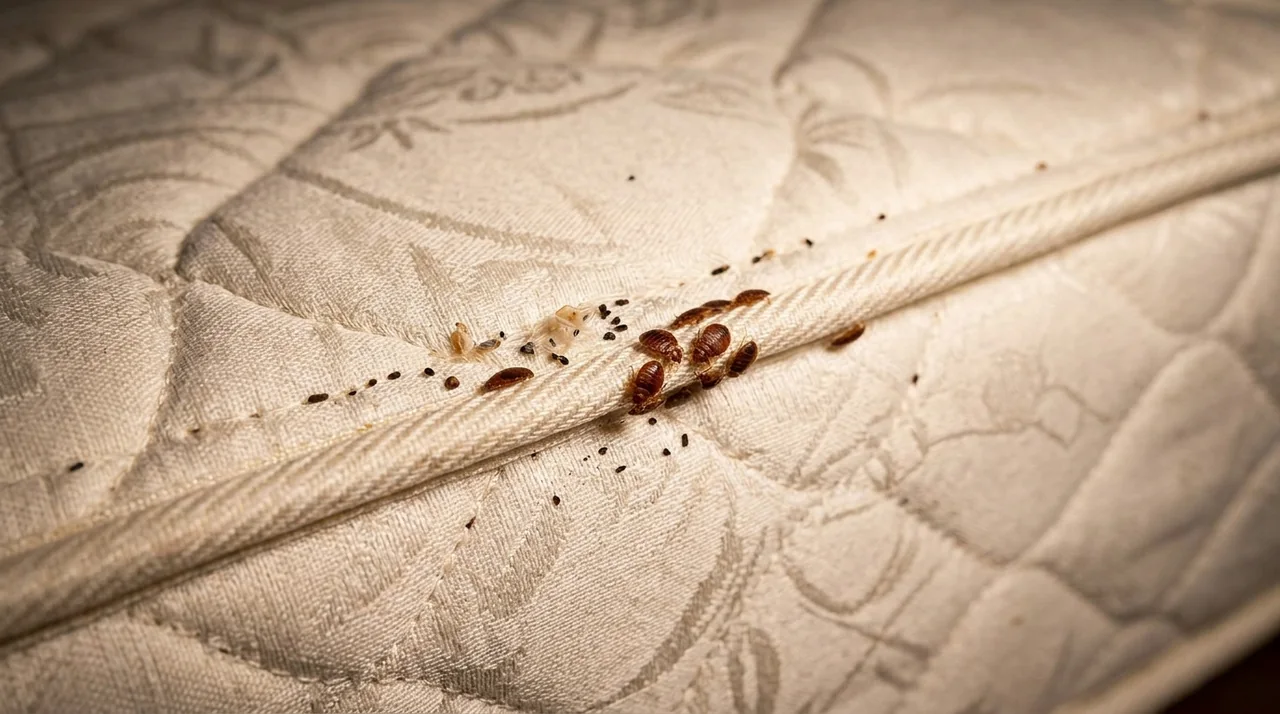
An adult bed bug (the species Cimex lectularius) is about the size of an apple seed. They are flat, oval, and reddish-brown, turning darker after feeding. They crawl; they do not fly or jump.
Where Bed Bugs Bed Down: Mattress Seams and Frames
Bed bugs bed down within a few feet of where you sleep. Search their daytime hiding spots with a flashlight.
The Mattress Bed-Frame Inspection
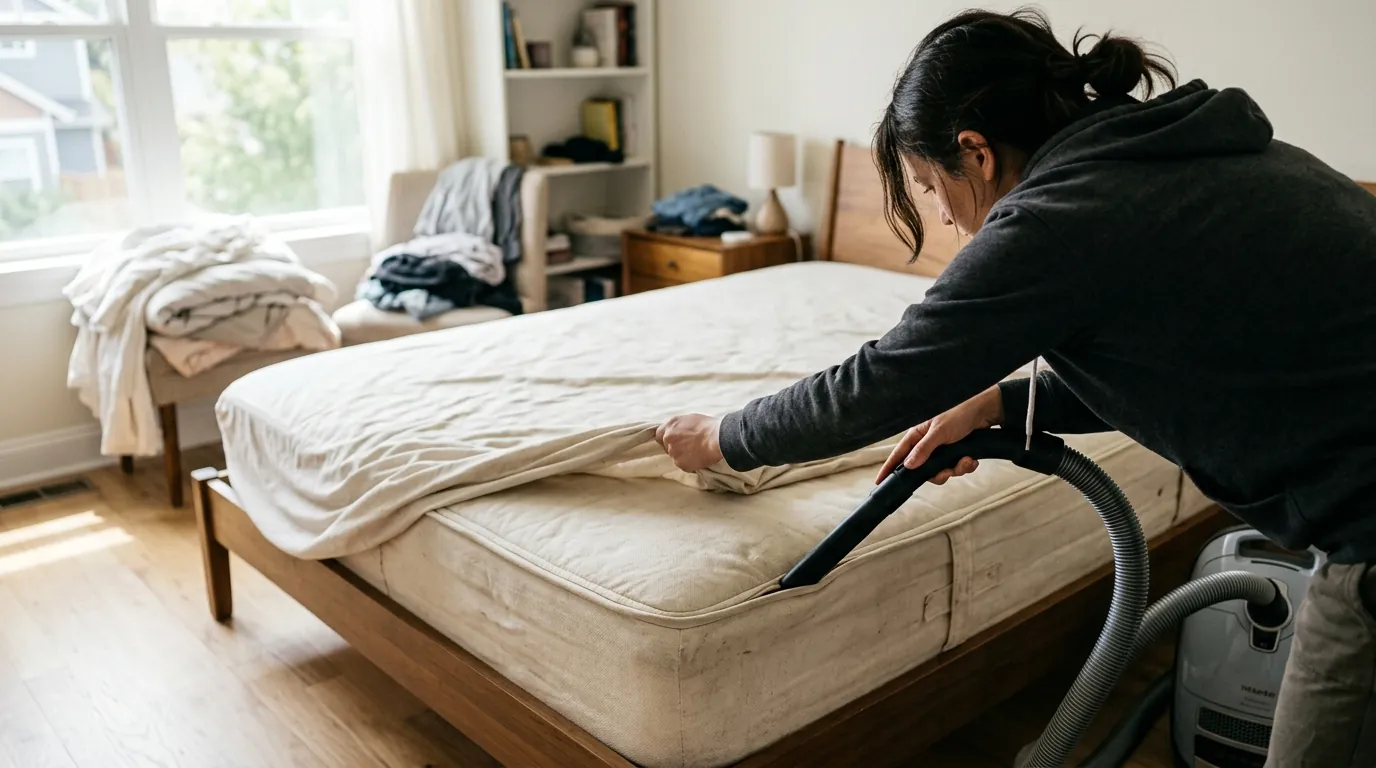
The classic bed bugs mattress hideout is the seam. Check the mattress, then the box spring, then the bed frame and headboard. Even one bug bedded deep in a screw hole can restart the problem. Work slowly and keep notes on what you find.
Bed Bugs Quickly Multiply, So Speed Matters
Bed bugs quickly turn a small problem into a big one. Females lay eggs continuously, glued into cracks where sprays struggle to reach. Young nymphs hatch and feed within days. A treatment that kills adults but misses the eggs invites a second wave a week or two later. Many populations also resist common over-the-counter sprays, which is why "spray and pray" so often fails.
Clear Bed Bugs Faster by Layering Methods
Layering non-chemical methods clears bed bugs faster, because bugs cannot become resistant to heat or a vacuum. Use several methods together within an Integrated Pest Management approach.
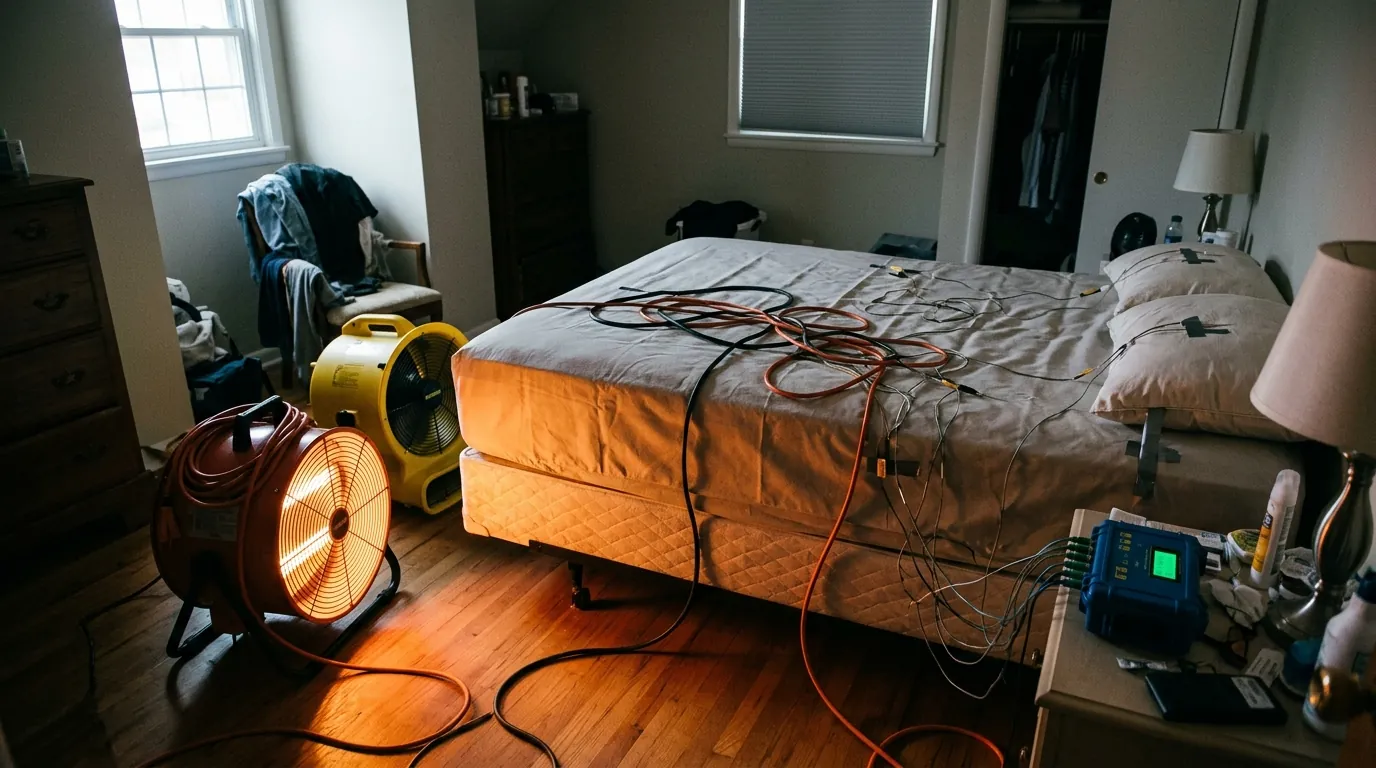
- Heat treatment. Bed bugs and their eggs die at sustained high temperatures. Wash bedding on the hottest safe setting, then run a hot dryer cycle. Bag and seal items you cannot wash.
- Steam treatment. A garment steamer applied slowly to seams and folds kills bugs and eggs on contact.
- Vacuuming. Go over mattress seams, the bed frame, and baseboards. Empty the vacuum into a sealed bag and take it outside right away.
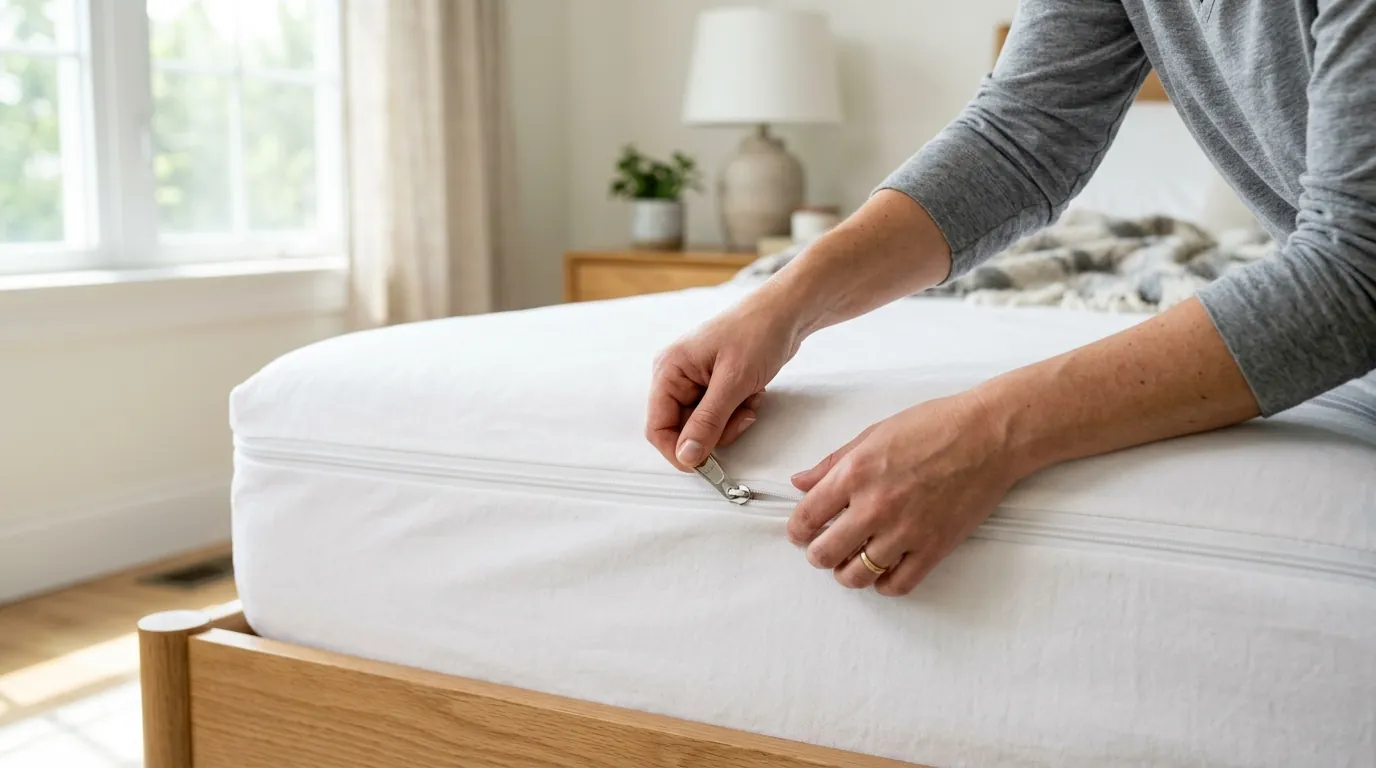
- Encasements. Zip a bed-bug-rated mattress encasement and box spring encasement onto the bed. These trap bugs and remove hiding spots.
- Interceptors. Place bed bug interceptors under each bed leg. They catch climbing bugs and let you track progress week by week.
Choosing Products Safely: Read the Pesticide Label
If you add a pesticide, choose one specifically labeled for bed bugs and follow every direction. The EPA-registered pesticide label tells you exactly where you may apply it, including whether it is allowed near a mattress. Pyrethroid sprays are common, but resistance means they may not work alone. Never spray a product on your body or on bedding in a way the label does not permit, and do not use outdoor products indoors. Foggers and "bug bombs" are a poor choice; they rarely reach the cracks where bugs hide and can scatter them.
Diatomaceous earth (the insect-control grade, not pool grade) applied as a light dust in cracks per its label can help over time. A heavy visible layer is less effective and can irritate the lungs. Keep children and pets away as directed. If anyone is exposed to a product or has a concerning reaction, call Poison Control at 1-800-222-1222 or seek medical care.
Getting Rid of Bed Bugs Permanently
To get rid of bed bugs permanently, cut off their support after you treat. Isolate the bed: pull it a few inches from the wall, keep bedding off the floor, and rely on the interceptors so the bed is not a bridge. Cut clutter, because fewer hiding spots mean fewer places to miss. Inspect luggage and secondhand furniture before bringing them inside. Keep monitoring for several weeks after the last live bug, since a single survivor can restart everything.
When to Call a Professional Exterminator
Bed bugs are the pest most likely to defeat a purely DIY effort, and there is no shame in calling for help. Consider a licensed professional exterminator if the infestation is widespread, has persisted through weeks of careful treatment, or is in a shared building where units re-infest each other. Professionals offer whole-room heat treatment and targeted applications that reach what home methods miss. If you rent, notify your landlord or property manager promptly. Coordinated treatment across units is often the only way to clear a building. Explore our reviews of bed bug treatment kits for the DIY tools worth owning, and our professional cost guide to weigh the price of bringing in help.