
Crossfire Bed Bug Spray
Crossfire Bed Bug Spray, ranked from aggregated owner ratings and reviews, not first-hand testing. Real pros, cons, and who each pick is best for.
Our Top 3 Picks
Quick Comparison
| Product | Best for | Buy | |
|---|---|---|---|
| Harris Bed Bug Killer Liquid Spray | Best Overall | See Amazon | View |
| Harris Diatomaceous Earth Powder | Best Value | See Amazon | View |
| CrossFire Bed Bug Concentrate | Best Premium | See Amazon | View |
| SafeRest Zippered Mattress Encasement | Best for Mattresses | See Amazon | View |
| ClimbUp Insect Interceptors | Best for Monitoring | See Amazon | View |
| PurSteam Handheld Pressurized Steam Cleaner | Best Steam Option | See Amazon | View |
How crossfire bed bug spray works
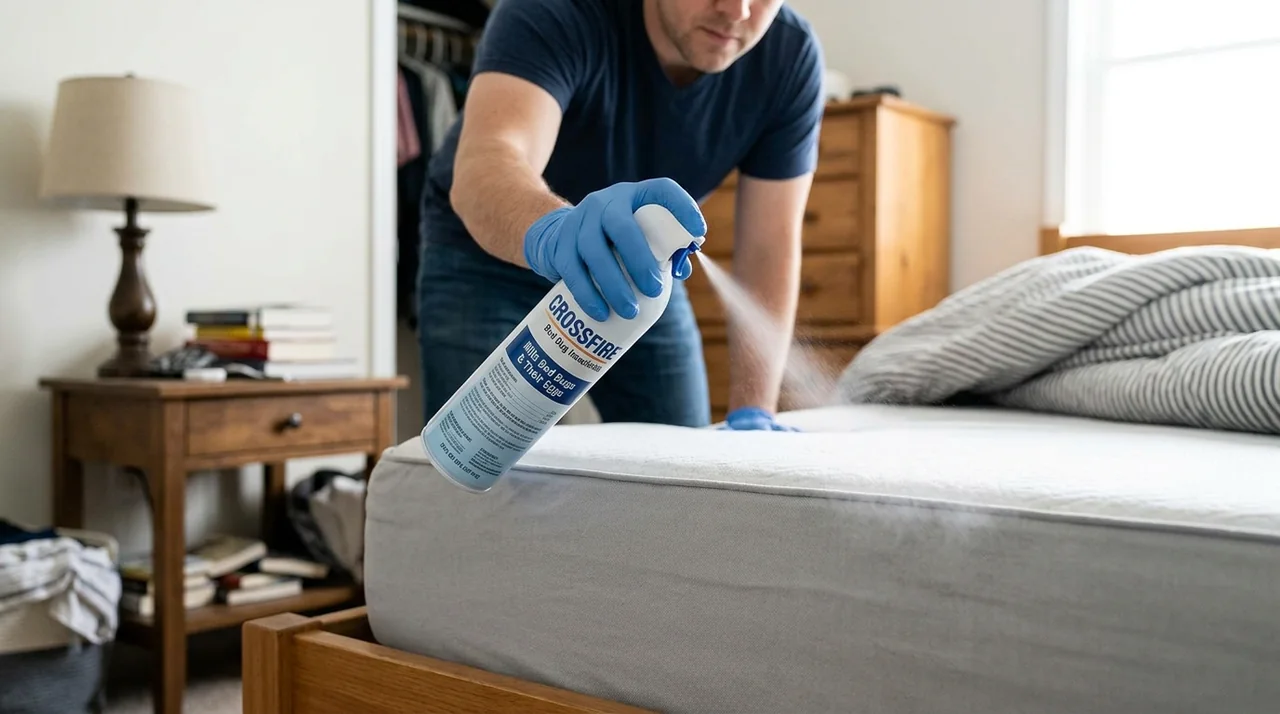
Crossfire is a bed bug spray from MGK. MGK Crossfire pairs two actives: chlorfenapyr and a pyrethroid. That pairing matters. Many bed bug populations now resist older pyrethroid-only products. A bed bug spray with a second mode of action can still reach those bugs. Crossfire ships as a concentrate you dilute with water. There is also a Crossfire aerosol for cracks and spot use.
Think of it as one tool, not the whole fix. A bed bug problem is a system. You need a plan, not a single can.
Aerosol vs concentrate: which crossfire to buy
Two formats exist. The Crossfire aerosol bed bug product is ready to use. It suits baseboards, seams, and small voids. The concentrate covers larger areas for less money per treatment. Many people buy Crossfire concentrate for a whole room. They keep an aerosol for touch-ups.
Pick the format by the job. Big room, buy the concentrate. Spot work, an aerosol is simpler. Either way, you dilute or shake exactly as the directions state.
Where buy crossfire bed bug spray
You can buy Crossfire online and in stores. Where to buy Crossfire is less important than using it right. Common listings include Amazon, Walmart, and pest-supply shops. Prices shift week to week, so compare before you order. Any purchase link on this page may be a paid link.
Watch the size and form. A small aerosol and a large concentrate look similar in a listing but cover very different areas. Read the product page, not just the price.
Crossfire spray label, spray safe use, and reviews
Read the spray label before you mix anything. The label lists approved sites, dilution rates, and limits. Is this spray safe? Used to the label, it is registered by the EPA for indoor bed bug work. Keep kids and pets off treated surfaces until they dry. Do not treat skin, bedding, or an entire mattress unless the label allows it. Crossfire is not made for pollinators or outdoor broadcast spraying.
Spray reviews online lean positive, but reviews are not a substitute for the label. A five-star rating does not change where a product may legally be applied.
A realistic bed bug plan
One spray rarely ends an infestation. Pair a contact product with a residual product and a dust for hidden voids. Wash bedding and heat-dry it on high. Fit mattress encasements and place interceptors under the legs.
Inspect weekly for two to three weeks. Bed bugs hide in seams, frames, and cracks, so treat those spots directly. If bites keep appearing after careful work, call a licensed pro. Whole-home heat or professional products may be the faster route.
Store every product up high, out of reach, in its original container. If anyone swallows a pesticide or has a bad reaction, call Poison Control at 1-800-222-1222 right away.
Full Ranking, Reviewed

Best for Whole-room contact and residual kill on mattresses, box springs, and cracks
- EPA-registered formula with residual protection
- Odorless, water-based, dries clear
- Includes a stiff-bristle interceptor-style application brush cap on some kits
- Kills eggs as well as adult bed bugs on contact
- Long track record and widely stocked
- Safe for use on mattresses once dry per label
- Contact spray only — must be applied directly to bugs and hiding spots
- One application rarely resolves a full infestation
Verdict: The most consistently recommended first step for DIY bed bug treatment; owners report success when it's paired with mattress encasements and thorough cleaning.

Best for Long-term, low-cost dust treatment for wall voids, baseboards, and outlets
- Food-grade diatomaceous earth
- Comes with a powder duster applicator
- Non-toxic mode of action (desiccates the exoskeleton)
- Effective for weeks once applied in dry areas
- Very inexpensive per treatment
- No odor, no wet residue
- Slow-acting — takes days, not hours
- Loses effectiveness if it gets wet or clumped
Verdict: A budget-friendly companion product for cracks and voids a spray can't reach; best used alongside, not instead of, a contact insecticide.

Best for Homeowners who want a professional-grade concentrate that mixes to treat multiple rooms
- Dual active ingredients (imidacloprid + cyfluthrin) for resistant populations
- Concentrate mixes with water — treats far more area per bottle than ready-to-use sprays
- Labeled for cracks, crevices, and bed frames
- Popular with pest control technicians
- Effective against bed bugs that have developed resistance to older pyrethroids
- Cost-effective per gallon once diluted
- Requires a pump sprayer and accurate mixing
- Higher upfront price than a ready-to-use bottle
Verdict: The closest thing to what a licensed technician would use; worth the extra setup for a whole-house infestation.
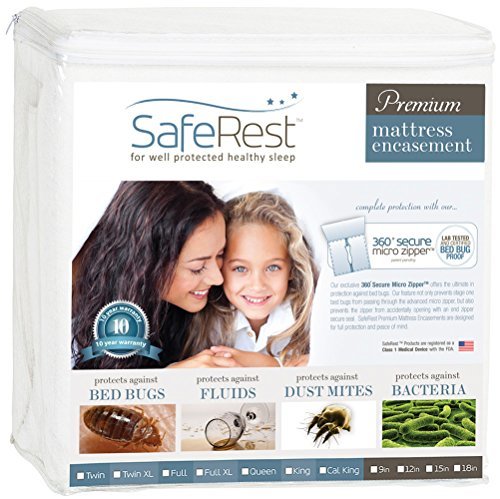
Best for Trapping bed bugs already inside a mattress and preventing new ones from entering
- Bed bug-rated zipper with secure closure flap
- Waterproof, breathable membrane
- Machine washable outer fabric
- Available in all standard mattress sizes
- Non-chemical, works passively for a full year or more
- Also protects against dust mites and spills
- Doesn't treat bugs living in furniture or walls
- Must stay zipped for 12+ months to starve out trapped bugs
Verdict: A near-universal recommendation alongside any spray or dust treatment — it isolates the mattress as a hiding spot while sprays handle the rest of the room.
Best for Confirming an infestation and tracking whether treatment is working
- Slip-cup design placed under bed and furniture legs
- No pesticide — purely mechanical trapping
- Reusable, easy to check and empty
- Widely used by pest management professionals for monitoring
- Gives an honest read on whether numbers are dropping
- Chemical-free, safe near sleeping areas
- Only traps bugs travelling to/from the bed — not a standalone treatment
- Requires furniture legs to sit inside the cups, which can affect stability
Verdict: Not a killer, but one of the most useful tools for proving a treatment plan is actually working before you stop.

Best for Chemical-free heat treatment of seams, tufts, and baseboards
- Produces continuous steam above 210°F at the nozzle
- Multiple attachment heads for fabric and crevices
- No chemical residue, safe on most upholstery
- Kills bugs and eggs on contact with sufficient dwell time
- Reaches eggs that sprays can miss in fabric folds
- Reusable for future cleaning tasks
- Slow, methodical process — only treats what the nozzle directly touches
- Can damage some delicate fabrics or finishes if held too close
Verdict: A strong complement to chemical treatment for mattress seams and furniture joints where sprays struggle to penetrate.
Frequently Asked Questions
Can I get rid of bed bugs with spray alone?
Spray alone rarely finishes the job. Owners who succeed with DIY treatment typically combine a contact spray with a mattress encasement, crack-and-crevice dust, and repeat applications every 10–14 days to catch newly hatched eggs. A single application is the most common reason people feel a spray "didn't work."
Is diatomaceous earth safe to use where I sleep?
Food-grade diatomaceous earth is considered low-toxicity, but it's meant for cracks, crevices, and voids — not sprinkled openly on a mattress or in open air, since inhaling dust can irritate the lungs. Apply it with a duster into baseboards, outlet covers, and bed frame joints instead.
How do I know if the treatment is working?
Interceptor traps placed under bed and furniture legs are the most reliable way to track progress — a declining catch count over several weeks is a good sign. If traps still show activity after 3–4 treatment cycles, it's a strong signal to bring in a licensed pest control professional.