


Signs You Have Mice: Droppings and Gnaw Marks
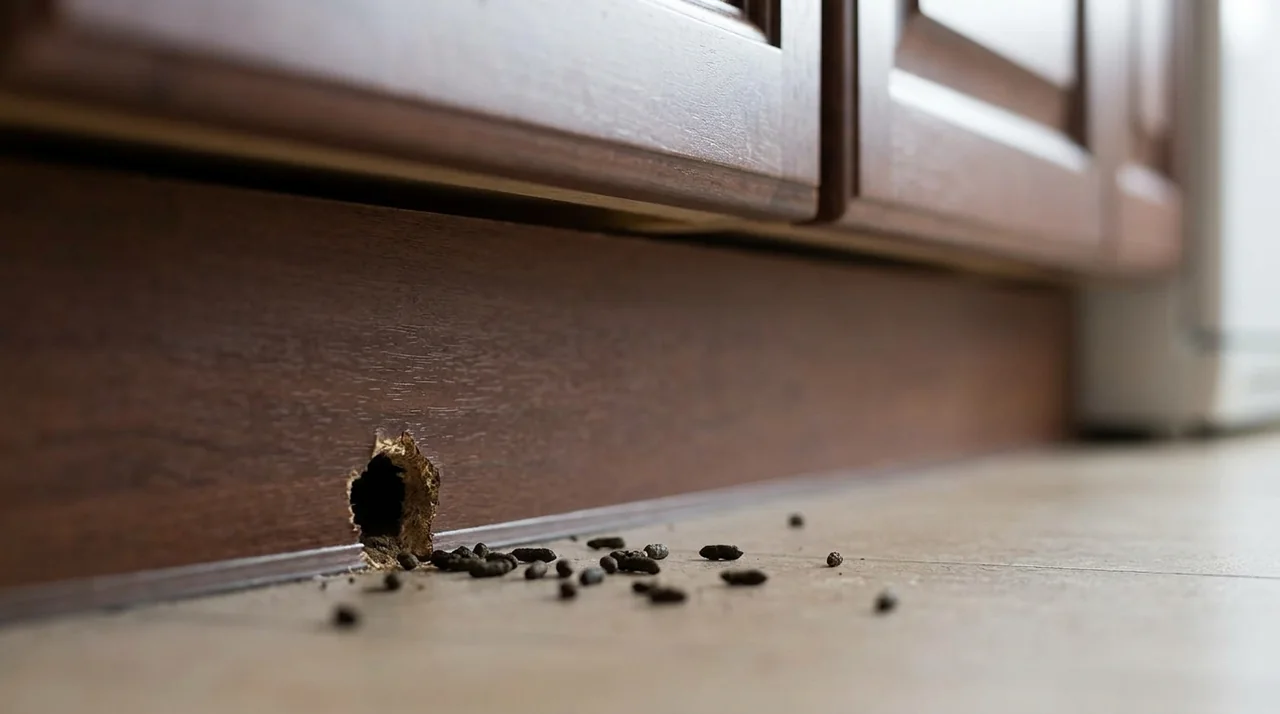
Mice are small, mostly nocturnal, and good at staying out of sight. You will notice the signs before you see the mouse. The clearest sign is droppings: small dark rice-grain pellets along walls, in cabinets, and under sinks. Other tells include gnaw marks, a faint musky smell, shredded nests, and scratching sounds at night.
The house mouse (Mus musculus) sticks to edges and travels the same routes. Confirm it is mice and not rats, which leave much larger droppings. Trap size and bait placement differ.
Mice Inside Walls and the Attic
Mice inside walls travel along the studs and top plates. Voids give mice walls to run behind, unseen. Scratching after dark usually means mice inside the structure, not just visitors. Clutter gives mice homes indoors, and wall voids give mice houses of their own.
Attic Mice and Roof Entry
Attic mice climb from trees, wires, and rough siding. They nest in warm insulation and chew wiring.
Mice Attic Nesting and Warm Mice Attics
Mice attic activity peaks in fall as temperatures drop. Warm mice attics and wall voids attract nesting, so check the roofline early in the season.
Seal Them Out First: Exclusion
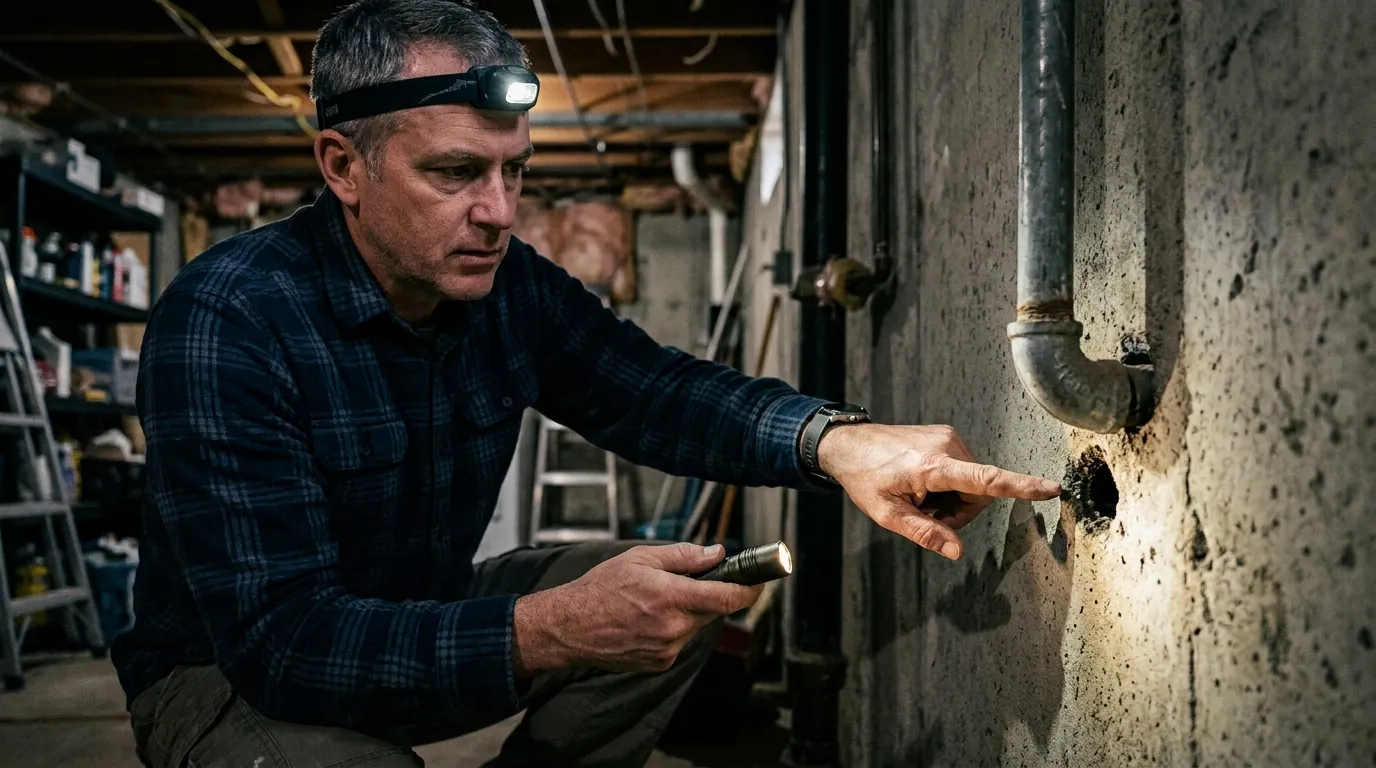
Trapping without exclusion is endless, since new mice follow the same openings. A house mouse can squeeze through a gap the size of a dime, so sealing gaps is the foundation.
Sealing Gaps and Entry Points
- Fill holes around pipes, cables, and vents. Pack larger entry points with steel wool or copper mesh first, since mice chew through foam alone.
- Add or replace worn door sweeps on exterior and garage doors.
- Repair torn screens and cover vents with hardware cloth.
- Trim tree branches back from the roofline.
Trapping Mice That Works: Snap Traps
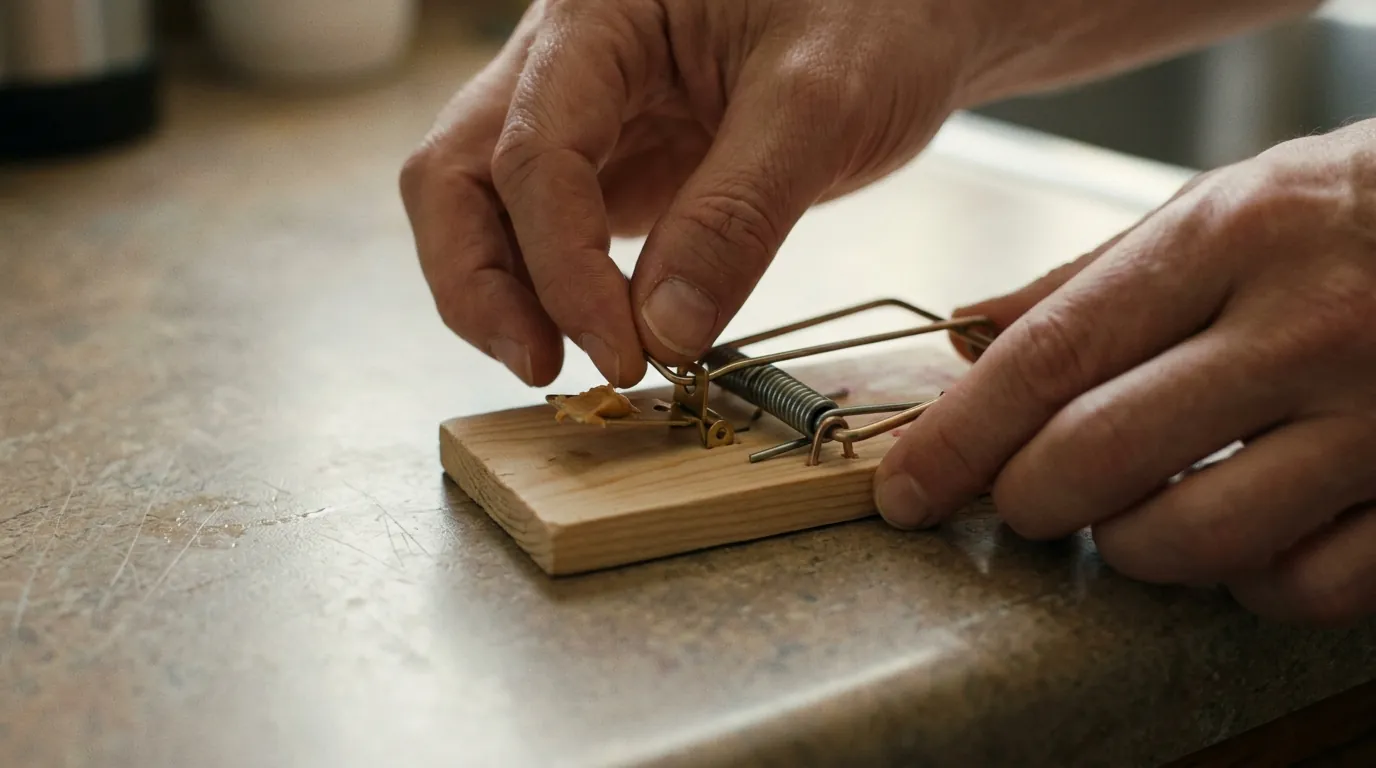
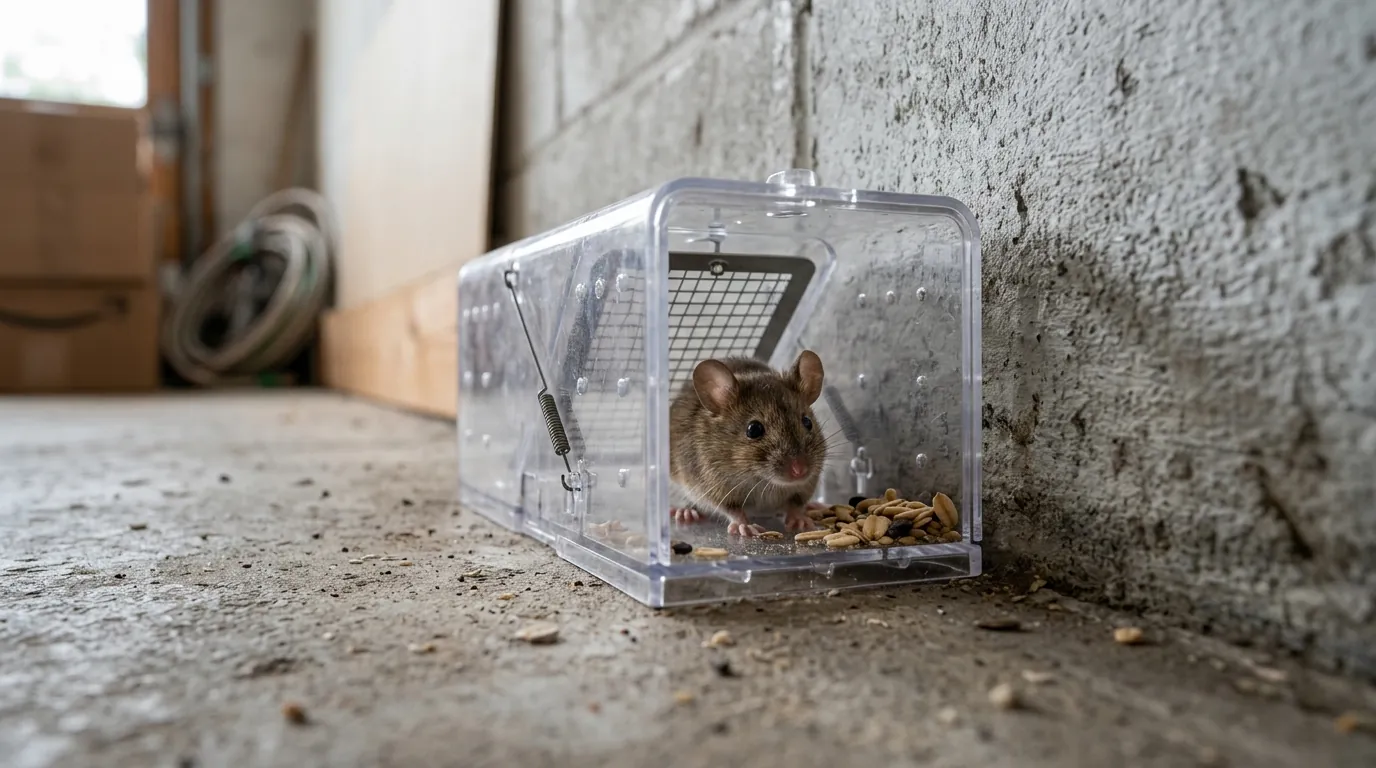
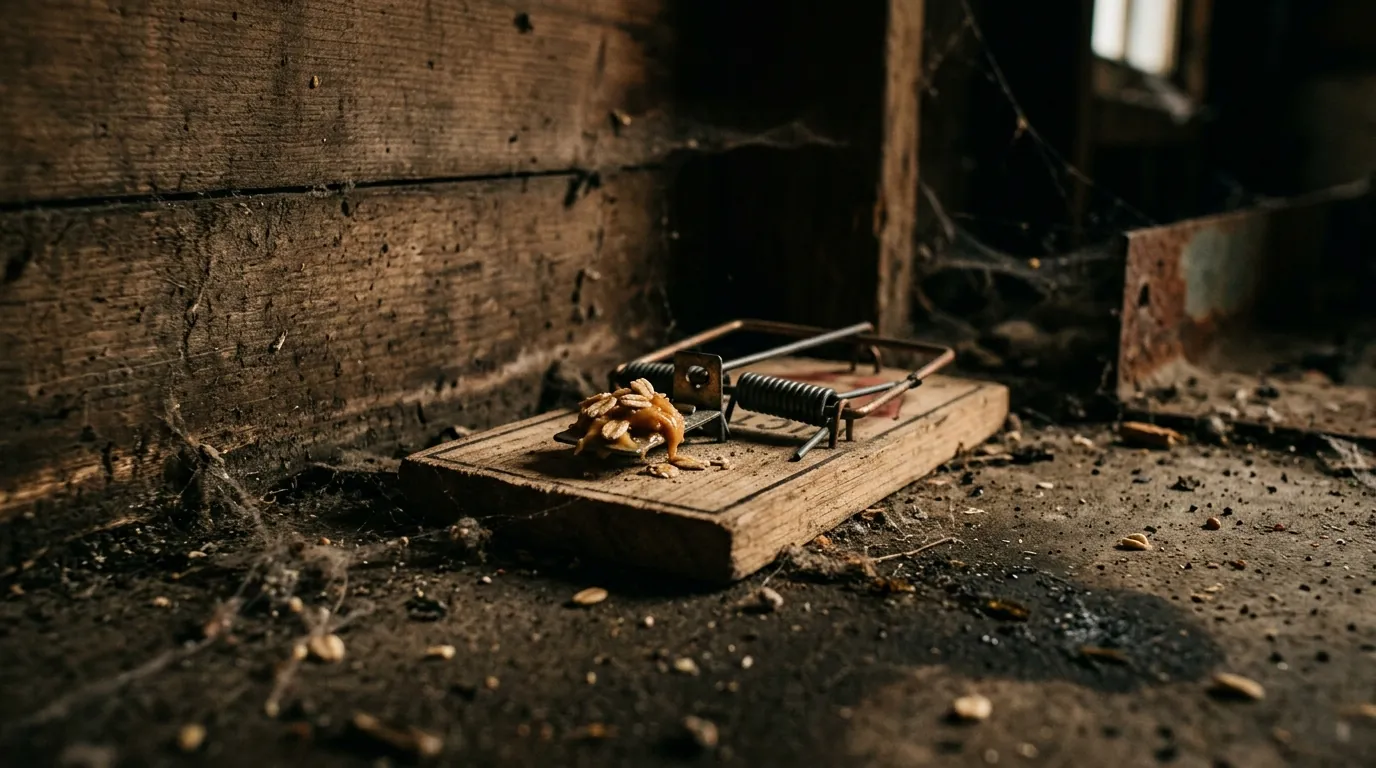
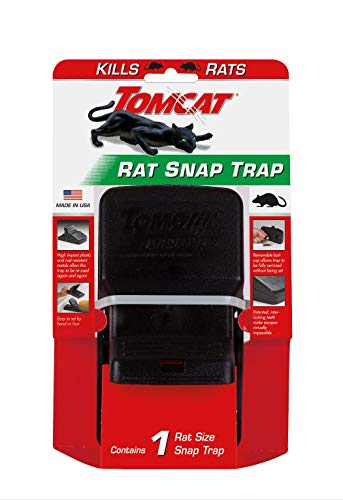
Traps are the most reliable DIY method, and placement matters most. Set traps along walls and in corners where you see droppings, with the trigger toward the wall. Use several traps close together, because mice travel short distances.
For bait, skip the cheese. A small dab of peanut butter works well, because mice cannot snatch it without setting off the trap. Classic snap traps from brands like Victor are fast. Check traps daily, wear gloves, and reset promptly, because mice reproduce fast.
Dead Mice: Why Mice Smell in Walls
Dead mice inside a wall can cause a strong odor for a week or more. Mice smell musky even while alive in enclosed spaces. If dead mice smell lingers, locate the spot and ventilate; some cases need a small access hole.
Natural Mice Remedies and a Word on Rodenticide
Natural mice remedies like peppermint oil are popular but unreliable alone.
Is There One Mice Remedy That Works?
There is no single mice remedy that clears an active infestation by itself.
Rodenticide baits can work but carry real risks. Poisoned mice may die inside walls. More seriously, baits can harm children, pets, and wildlife, including predators that eat a poisoned mouse. If you use any rodenticide, read and follow the EPA-registered label exactly. Use a tamper-resistant bait station, out of reach of kids and pets. For many households, traps and exclusion are the safer and equally effective route. If a child or pet ingests bait, contact Poison Control at 1-800-222-1222 or your veterinarian immediately.
A Mice Infestation in Houses Near Fields
A mice infestation is common in houses near fields, barns, and woodlots. These homes face steady pressure each fall. Seal, trap, and clean on repeat, because the outdoor population never stops testing the walls.
Getting Rid of Mice Permanently
To get rid of mice permanently, combine exclusion, sanitation, and trapping, then keep them up. Mice permanently leave only when there is no easy entry and no easy meal. Monitor for droppings for several weeks after the last catch.
When to Call a Professional
Call a licensed professional if you face a large or long-running infestation, if you keep hearing activity in walls despite trapping, or if you cannot find and seal the entry points yourself. Following an Integrated Pest Management plan, pros are especially valuable for exclusion on tricky structures. A serious rodent problem can also signal larger structural gaps worth addressing. For the traps and bait stations worth owning, see our rodent control gear reviews, and pair this guide with our rodent-proofing walkthrough to keep them out for good.