


Catching mice is only half the job; understanding where they get in and where they travel tells you where traps belong and how to keep the next ones out. A mouse can squeeze through a gap about the width of a pencil (roughly a quarter inch), so the openings you need to find are smaller than you would expect.
How Mice Get Inside
Mice exploit the small gaps every house has. The most common entry points are low and often hidden:
- Gaps where utility lines enter (pipes, cables, gas, AC lines) through exterior walls
- Under and around exterior doors with worn weatherstripping or missing sweeps
- Gaps around the garage door, especially the bottom corners
- Foundation cracks and gaps where the foundation meets siding
- Vents, weep holes, and gaps around dryer and exhaust openings
- Where the roofline meets the wall, and around attic and soffit vents
Reading Mouse Highways
Mice are creatures of habit that travel the same routes along walls, using their whiskers to stay in contact with a surface. Signs of these runways tell you exactly where to trap: droppings concentrated along a baseboard, dark greasy rub marks where their fur brushes a corner, gnaw marks, and shredded nesting material. Kitchens, pantries, garages, laundry rooms, and areas near water heaters and furnaces are common corridors because they offer food, water, and warmth.
Where to Set Traps
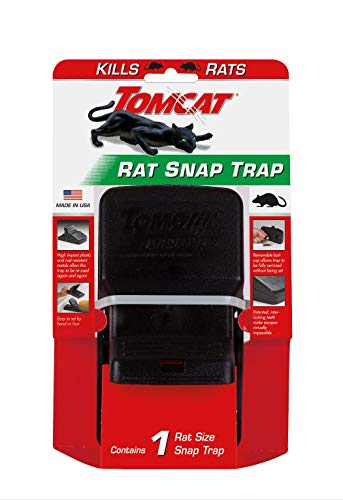
Place traps directly on these highways, flush to the wall, with the trigger toward the wall so a traveling mouse crosses it. Prioritize:
- Behind and beside the stove, refrigerator, and dishwasher
- Under the kitchen and bathroom sinks
- Along the back walls of cabinets and pantries
- In the garage and laundry room against the walls
- Near entry points you identified, so mice are caught soon after entering
Seal Them Out (The Permanent Fix)
Trapping reduces the mice already inside; sealing keeps new ones from replacing them. Stuff larger gaps with coarse steel wool or copper mesh, which mice struggle to gnaw through, then seal over it with caulk or expanding foam for a lasting patch. Install door sweeps and repair weatherstripping, and cover vents and weep holes with fine hardware cloth. Trim vegetation and move woodpiles away from the foundation, and store pet food and pantry staples in sealed containers to remove the attraction.
Handle droppings and nests safely: dampen with disinfectant rather than sweeping or vacuuming dry, wear gloves, and wash up afterward, since rodents can carry disease. If mice keep returning despite sealing and trapping, or you cannot locate the entry points, a licensed professional can perform a thorough exclusion inspection and find gaps that are easy to miss.