

A natural or pet-safe product appeals to anyone who wants fewer harsh chemicals around kids and animals. Some of these products genuinely work. The trick is separating the options with real evidence from the ones that mostly smell nice. "Natural" does not automatically mean effective, and it does not always mean safe.
What Pet-Safe and Non-Toxic Really Mean
There is no legal definition of pet-safe on a pest label. A truly non-toxic approach starts with physical steps: sealing gaps, cleaning up food, and removing water. When you do reach for a product, choose one with a recognized active ingredient and a clear safety profile. This is the heart of Integrated Pest Management, which puts low-risk tools first and sprays last.
Keep one honest expectation in mind. Gentler products often act slower and need more careful placement than conventional chemicals.
Botanical and Plant-Based Ingredients
Many natural products lean on botanical actives. Read past the marketing to the ingredients.
- Plant-based repellents. Oil of lemon eucalyptus, PMD, and IR3535 are registered and backed by public-health advice.
- Botanical sprays. Cedar, peppermint, and lemongrass formulas offer brief, partial effects. They suit light duty, not heavy infestations.
Diatomaceous Earth and Food-Grade Dust
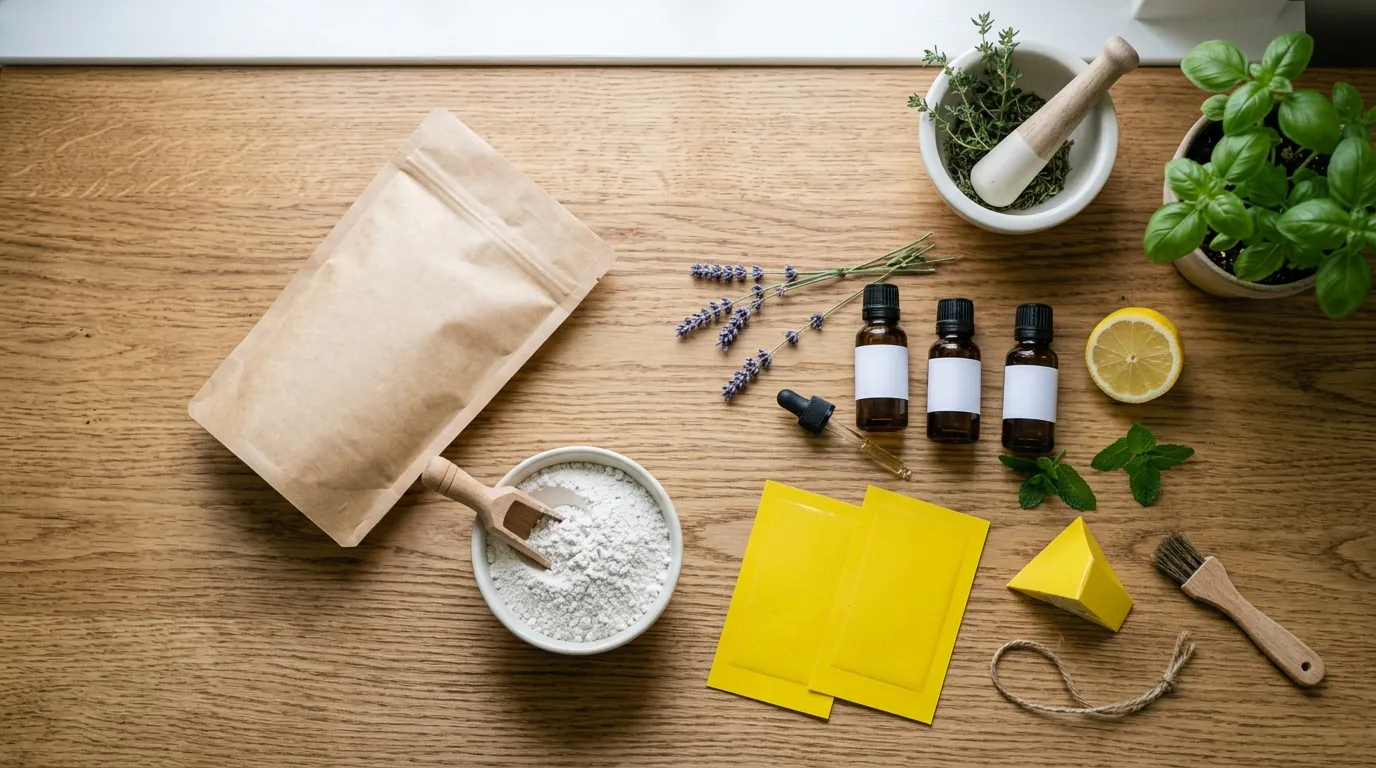
Diatomaceous earth is a favorite non-toxic tool. It is a fine, fossil-based dust that damages an insect's outer layer, so pests dehydrate. Use only food-grade diatomaceous earth, not the pool-filter type. Apply a thin, barely visible layer in cracks and along baseboards. It works only while dry, and a light dusting beats a heavy pile. Keep the dust out of the air that pets and children breathe.
Boric Acid, Spinosad, and Pyrethrin
A few naturally derived actives do real work when used carefully.
- Boric acid. A low-toxicity mineral used in roach and ant baits. It is effective but not harmless, so keep boric acid where pets and children cannot reach it.
- Spinosad. Derived from soil bacteria, spinosad controls ants, fleas, and caterpillars and has a favorable safety profile at label rates.
- Pyrethrin. A botanical extract from chrysanthemums. It breaks down fast in light, but pyrethrin is toxic to cats and fish, so follow the label exactly.
Essential Oils Around Dogs, Cats, and Children
The whole appeal of pet-safe is reducing exposure, so handle even natural oils with care.
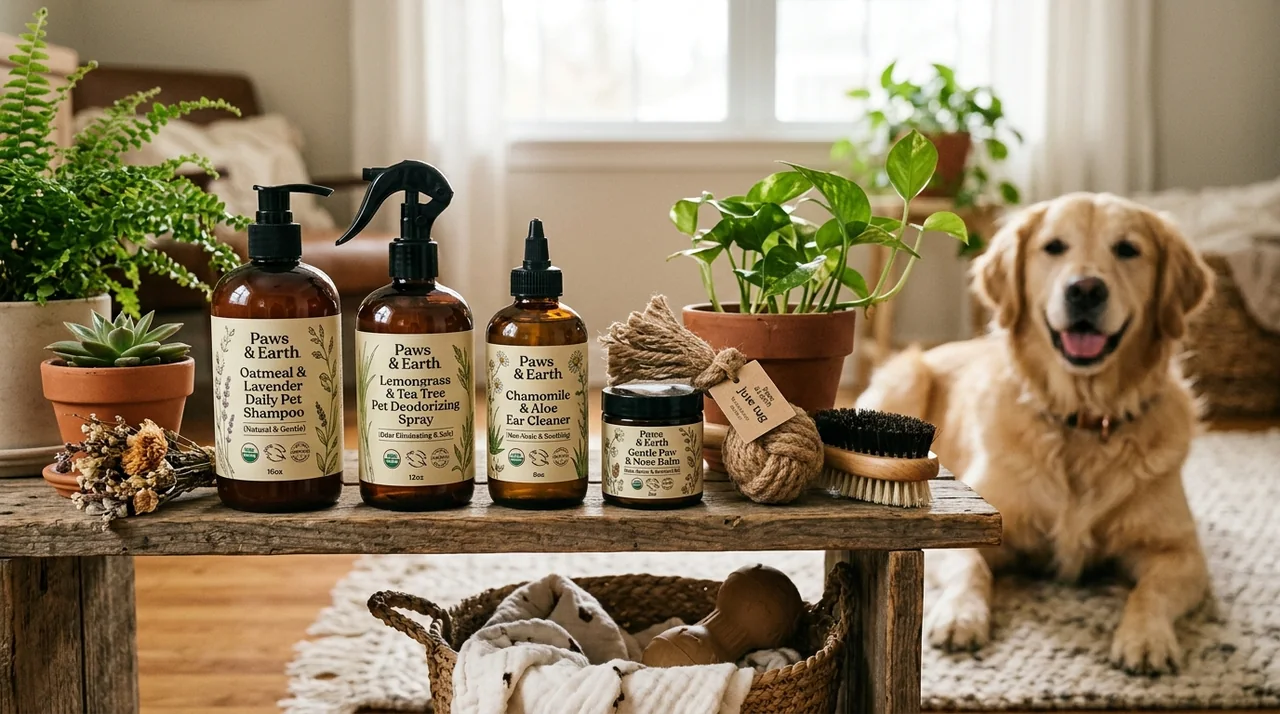
- Essential oils and pets. Several concentrated essential oils, including tea tree and pennyroyal, can be toxic to cats and dogs, and cats are especially sensitive.
- Use species-specific products. For fleas and ticks on animals, use products labeled for that species and ask your veterinarian. A dog product can harm cats.
- Children. Follow age guidance, apply sparingly, and keep products stored high.
Reading the Label to Keep Pets Safe
The label is your best safety tool. Look for an EPA registration number, the named active ingredient, and clear directions. Match the product to the pest and the room. Keep pets and children out until sprays dry or dusts settle. The ASPCA Animal Poison Control Center is a useful resource if an animal is exposed, and their guidance can prevent a small mistake from becoming an emergency.
Natural Does Not Always Mean Safe
Some "natural" products carry real risks, and some do very little. Treat pure essential-oil sprays as short-term, light-duty options. Trust diatomaceous earth, boric acid baits, spinosad, and registered plant-based actives more, because they have evidence behind them. Surround every product with barriers, sanitation, and moisture control so you need less of it. The safest home is one that gives pests no food, water, or entry.
When to Call a Professional
Natural and pet-safe methods handle many everyday problems. Call a licensed pro when an infestation is large or fast-growing, when it involves a health risk like stinging insects, or when gentle methods have not worked after a fair try. A good technician can build a low-toxicity plan around your pets and children and use stronger products only where truly needed. For any pesticide exposure to a person, call Poison Control at 1-800-222-1222. If a pet ingests a product, call your veterinarian or the ASPCA poison line promptly.