

Start With the Bug, Not the Bottle
Most pest problems get worse because people reach for a spray before they know what they are spraying at. A trail of tiny ants on the counter, a roach that scatters when the light flips on, and a cluster of itchy bites all call for very different responses — and the wrong product can scatter a colony, breed resistance, or waste your money. This hub is built around a simple idea borrowed from professionals: integrated pest management (IPM). That means you identify the pest first, remove what is feeding and sheltering it, use the gentlest effective control, and save the strong stuff for last.
Correct identification is the whole ballgame. Carpenter ants and termites are handled differently. A German cockroach in the kitchen is a different fight from a big outdoor roach that wandered in. Getting the species right tells you where they nest, what they eat, and which treatment actually breaks their life cycle instead of just knocking down the ones you can see.
What "Getting Rid Of" a Pest Really Means
Killing the visible bugs is the easy part. Lasting control means interrupting the life cycle — the eggs, larvae, and hidden adults you never see. Fleas and bed bugs are the classic example: an adult you squash today was laid weeks ago, and eggs left behind will hatch into a second wave. That is why one-and-done treatments fail and why the guides here lean on repeat treatment, thorough cleaning, and patience over a single heroic spray.
The other half is conditions. Pests show up where there is food, water, and shelter. A dripping trap under the sink, crumbs behind the toaster, or cardboard boxes in a damp basement will re-invite the same visitors no matter how much you spray. Fix the conditions and you shrink the problem before you treat it.
The Least-Toxic-First Ladder
Every guide in this section follows the same order of operations, from gentlest to strongest:
- Sanitation and exclusion — clean up the food and water, seal the cracks and gaps.
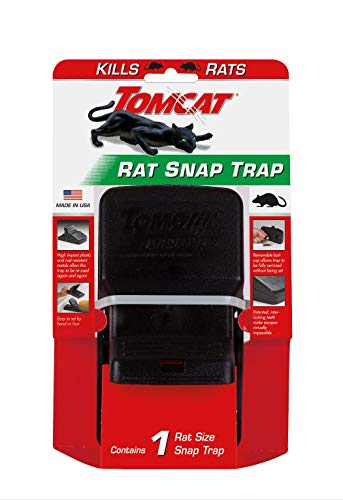
- Physical controls — traps, vacuuming, heat, washing on hot, and hand-removal.
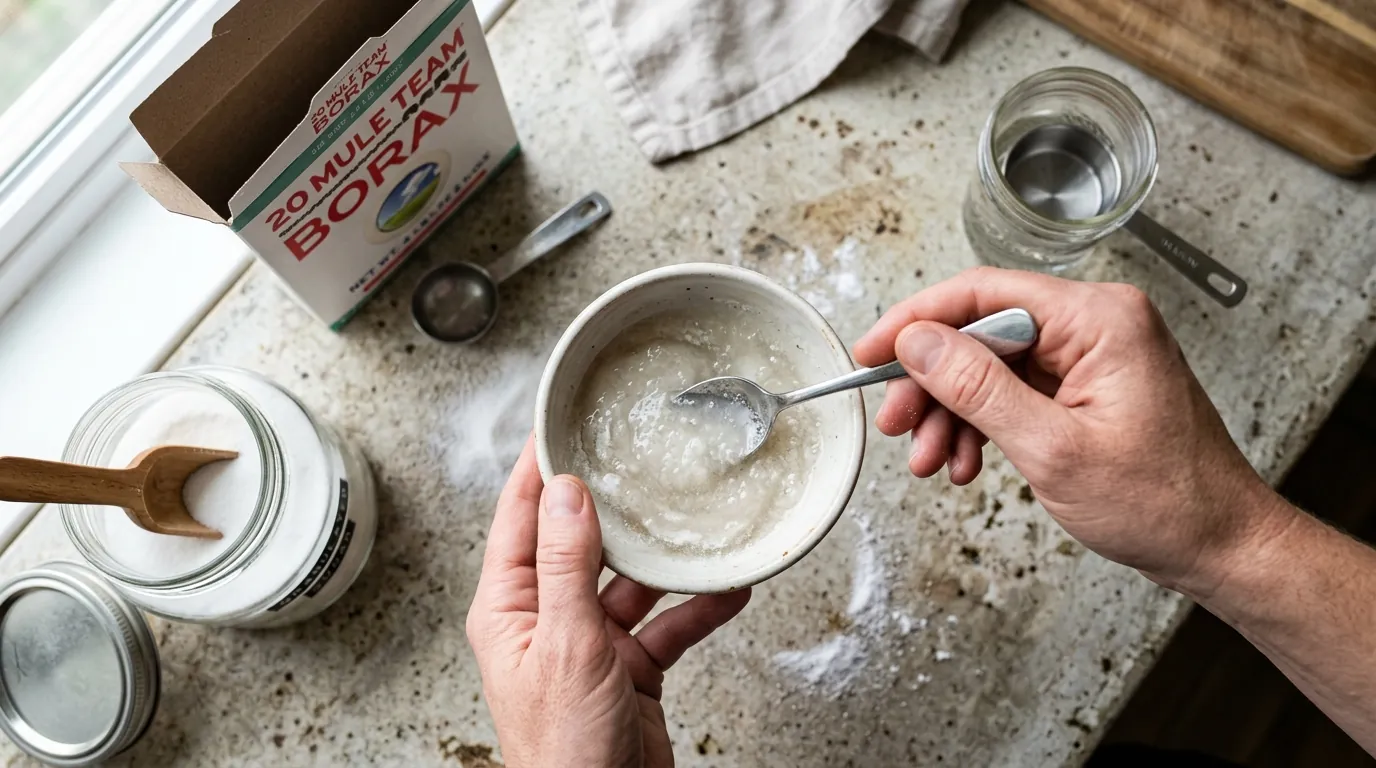
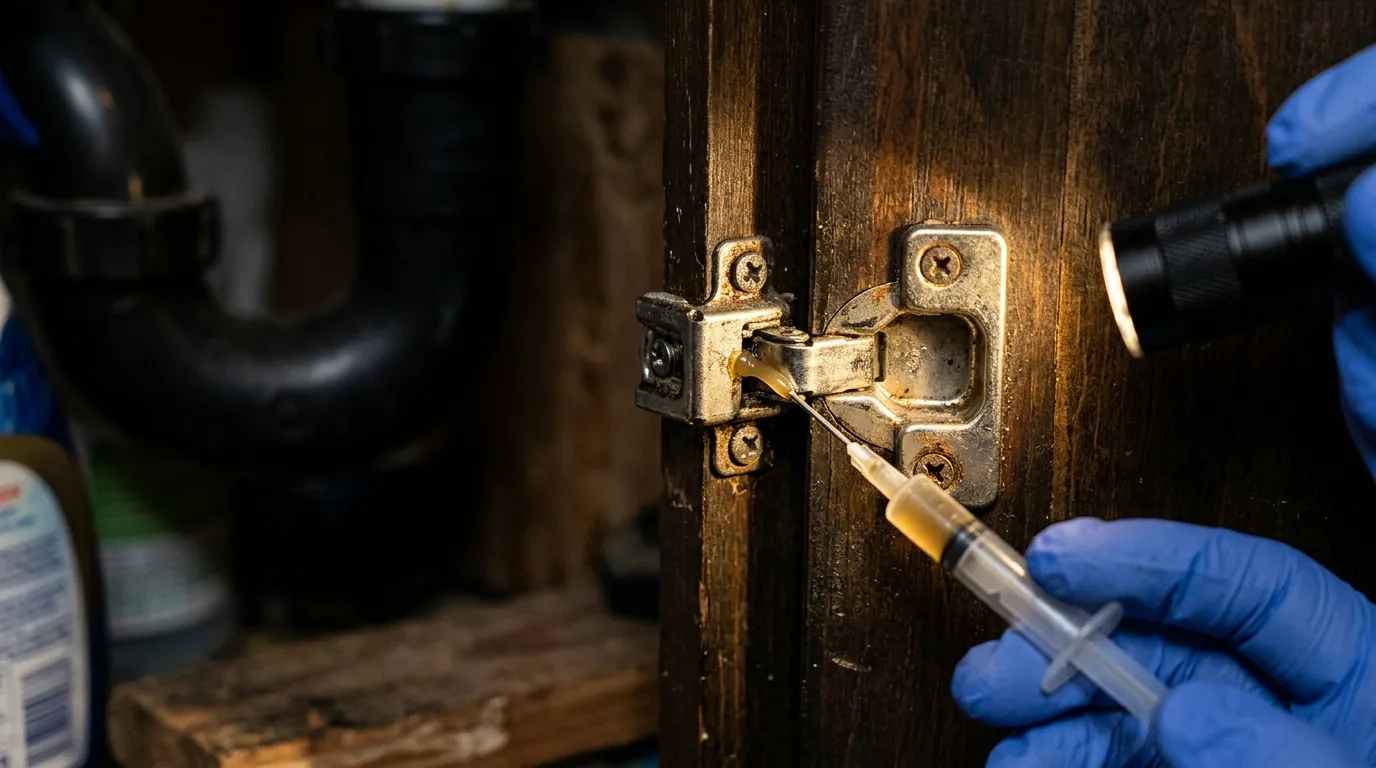
- Targeted baits — slow-acting baits that insects carry back to the nest, which often beat sprays for ants and roaches.
- Targeted pesticides — used only where needed, chosen for the specific pest.
Explore the Step-by-Step Guides
From here you can jump straight to the pest you are dealing with. Our most-used walkthroughs cover bed bugs, ants (including the tricky carpenter ant), cockroaches, mice and rats, mosquitoes, fleas in the house, and fruit flies and gnats. Each one follows the same reliable arc: how to confirm you have that pest, how to remove what is attracting it, which DIY methods genuinely work, the products worth considering, and the clear signs it is time to bring in a professional.
Safety and When to Stop
DIY is right for most everyday infestations, but it is not right for every situation. Stinging insects in a wall, a heavy rodent problem, suspected termites, or anything involving a family member's allergies or health can outgrow a home remedy fast. Treat those as reasons to call a licensed pest-control professional rather than pushing harder with store products.
And if anyone — a child, an adult, or a pet — swallows a pesticide or bait, or has a serious reaction after exposure, contact Poison Control at 1-800-222-1222 (or your veterinarian for pets) right away, and call 911 for a medical emergency. A little caution up front keeps a bug problem from becoming a health problem.