Flea And Tick Spray
Flea And Tick Spray, ranked from aggregated owner ratings and reviews, not first-hand testing. Real pros, cons, and who each pick is best for.
Our Top 3 Picks
Quick Comparison
| Product | Best for | Buy | |
|---|---|---|---|
| Adams Plus Flea & Tick Home Spray | Best Overall | See Amazon | View |
| Hartz UltraGuard Flea & Tick Home Spray | Best Value | See Amazon | View |
| Vet's Best Flea + Tick Home Spray | Best Premium | See Amazon | View |
| Fleabusters Rx for Fleas Powder | Best Carpet Powder | See Amazon | View |
| Wondercide Flea, Tick & Mosquito Yard Spray | Best Yard Treatment | See Amazon | View |
| Flea Comb with Long Fine Teeth | Best Monitoring Tool | See Amazon | View |
How a flea and tick spray fits your plan
A flea and tick spray is one layer of control, not the whole answer. A real flea tick plan treats the pet, the home, and the yard at once. Skip a layer and the fleas bounce back within weeks. A tick spray for the yard also lowers bite risk for people and dogs.
Sprays come in two broad types. A chemical spray for the yard uses actives like permethrin. A plant-based option uses oils such as cedarwood oil.
Pet products vs a yard spray
Never use a yard product on an animal. A spray for dogs must say it is for use on dogs, at the right weight and age. A spray dogs can wear safely is labeled for that use. Adams flea and tick lines include on-pet sprays plus home foggers, so read which is which before you buy.
A yard spray treats the lawn and shady beds where fleas and ticks wait. A flea spray yard product, or a tick flea treatment for grass, is not made for skin. Do not grab an Adam flea yard product for your dog by mistake.
Chemical vs natural care
A chemical yard flea spray usually works faster and lasts longer. A natural care route trades some speed for a gentler profile. A natural care flea line built on essential oils is popular, and Wondercide flea and tick sprays are a common pick.
Natural is not the same as harmless, so still read the label. Whatever you choose, treat the pet, home, and yard together.
Where and how to apply
Treat the yard on a dry, calm day. Focus on shade, edges, and under decks. A yard flea treatment should skip open lawn you rarely use. Keep dogs and kids off the grass until it dries.
Indoors, vacuum first, then treat carpet, baseboards, and pet bedding. Wash bedding hot. For a dog, use only the on-animal spray at the correct dose.
Safety first
Fleas and ticks can carry disease, so control matters, but so does safety. Every flea spray, yard spray, and on-pet product is registered by the EPA, and the label is the rule. Cats are sensitive to some actives that are fine for dogs, so check species on the label.
Keep products in the original container, up high, away from kids and pets. Avoid treating flowering plants to protect pollinators. If a pet drools, trembles, or vomits after a product, call your vet. If a person swallows or reacts to a product, call Poison Control at 1-800-222-1222.
Full Ranking, Reviewed

Best for Treating carpets, furniture, and pet bedding in one pass
- Contains an insect growth regulator (IGR) to stop the flea life cycle, not just kill adults
- Labeled for carpets, upholstery, and pet resting areas
- Kills fleas, flea eggs, and ticks on contact
- One application provides months of residual IGR activity per label
- Owners consistently report it breaks the reproductive cycle, not just visible fleas
- Covers a large area per bottle
- Pets and people should stay off treated surfaces until fully dry per label
- Won't resolve an infestation without also treating pets directly
Verdict: The most complete home flea spray because it targets eggs and larvae with an IGR, not just the adult fleas you can see.
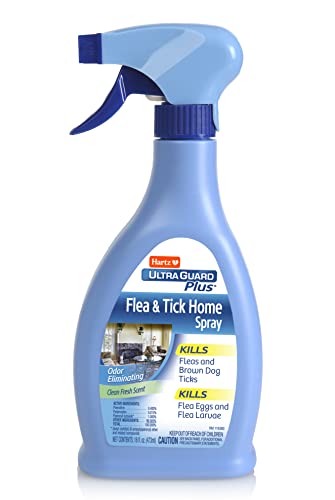
Best for Budget-friendly spot treatment for carpets and floors
- Contact kill formula for fleas and ticks
- Labeled for carpets, rugs, and floors
- Large bottle size for the price
- Easy trigger-spray application
- Lower cost per bottle than premium IGR sprays
- Good for touch-up treatments between larger applications
- Shorter residual effect than IGR-containing formulas
- Best for light infestations or maintenance, not heavy ones
Verdict: A solid budget pick for spot-treating problem areas, though a heavier infestation will likely need an IGR-based product as well.

Best for Households wanting a plant-based formula developed with veterinarians
- Plant-based active ingredients (peppermint and clove extracts)
- Formulated in consultation with veterinarians
- Kills fleas, flea eggs, and ticks on contact per label
- Lower odor than many synthetic sprays
- Popular choice for pet-heavy, kid-heavy households wanting a gentler formula
- No strong chemical odor lingering after application
- Premium price relative to synthetic sprays
- May require more frequent reapplication than synthetic IGR sprays
Verdict: The go-to premium pick for owners who specifically want a plant-based, vet-developed formula without sacrificing coverage.
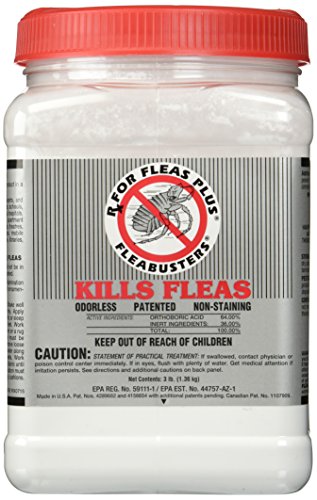
Best for Deep carpet treatment that keeps working for months
- Sodium polyborate-based powder worked into carpet fibers
- Labeled for extended residual activity (months per manufacturer)
- Low-odor, non-staining formula
- Vacuumed in for deep fiber penetration
- Long residual life once properly worked into carpet
- Doesn't require repeated spray reapplication
- More labor-intensive application (must be worked into fibers, then vacuumed)
- Best suited to carpeted areas specifically, not hard floors
Verdict: Worth the extra application effort for households with heavy carpet where a long-lasting powder outperforms repeated spray treatments.

Best for Treating the outdoor areas pets track fleas in from
- Cedar-oil-based active ingredients
- Hose-end sprayer for easy yard application
- Labeled for use around lawns where pets and kids play
- Also targets ticks and mosquitoes
- Addresses outdoor reinfestation sources, not just indoor symptoms
- Plant-based formula popular with pet owners
- Needs reapplication after rain or regular watering
- Won't resolve an active indoor infestation alone
Verdict: An important companion product for pet owners whose yard is the ongoing source of reinfestation indoors.

Best for Confirming flea presence and severity on a pet before treating the home
- Fine-toothed stainless steel comb
- Removes adult fleas and flea dirt from a pet's coat
- Reusable, no chemicals involved
- Works on both cats and dogs
- Simple, immediate way to confirm an active flea problem
- No cost beyond the comb itself
- Doesn't treat the home or yard on its own
- Time-consuming for pets with thick or long coats
Verdict: A cheap, useful first step to confirm you're actually dealing with fleas — and to track whether treatment is reducing numbers on the pet.
Frequently Asked Questions
Why do I still see fleas after spraying my carpet?
Most of a flea population exists as eggs, larvae, and pupae hidden in carpet fibers, not as visible adults. A contact-only spray without an insect growth regulator (IGR) won't stop new fleas from hatching over the following weeks — look for a product that specifically lists an IGR like methoprene on the label.
Do I need to treat my yard as well as my house?
If your pet spends time outdoors, yes — an untreated yard can keep reintroducing fleas no matter how thoroughly the home is treated. A yard-labeled spray applied to shaded, humid spots like under decks and along fence lines addresses this outdoor source of reinfestation.
Are flea sprays safe to use around pets?
Home flea sprays are generally labeled to keep pets and people off treated surfaces until the product is fully dry, which is a standard precaution. Always read the specific label, and pair a home spray with a vet-recommended flea prevention product applied directly to the pet for full protection.