

What does a typical spider bite look like?
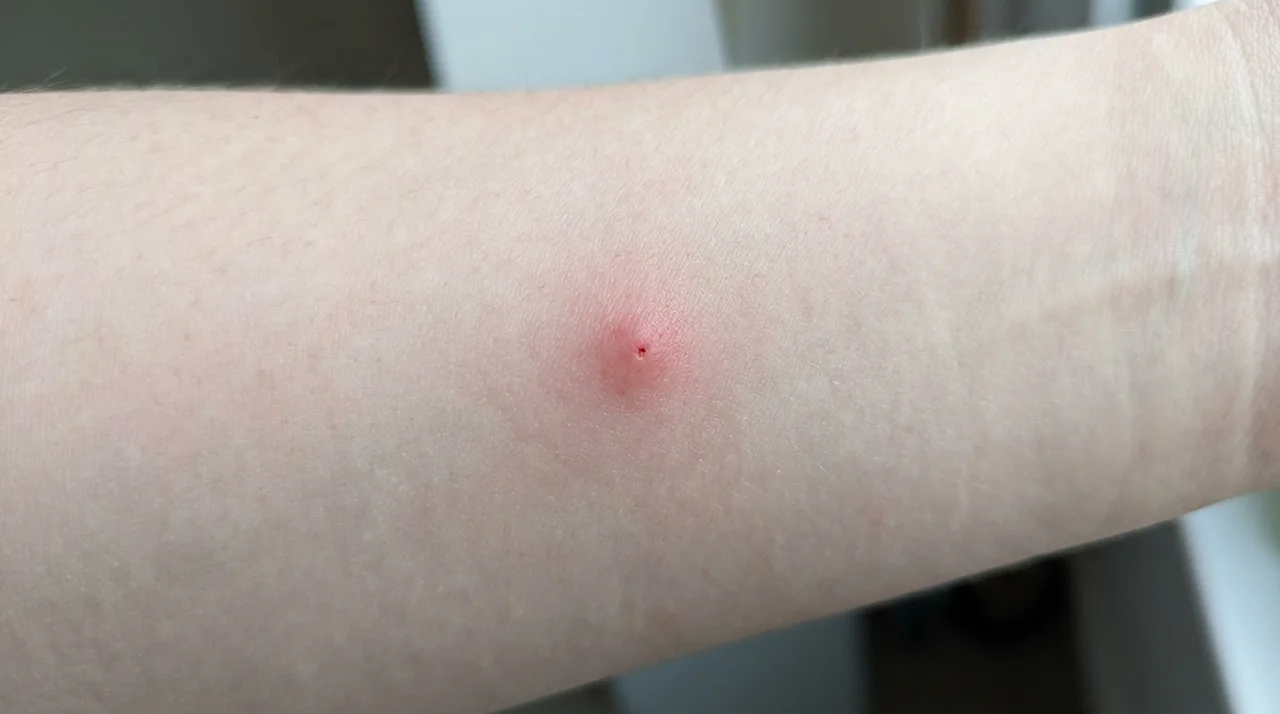
Everyday spider bites are usually mild and unremarkable. You may see a small, red, raised bump. Sometimes it has two close-set puncture points where the fangs entered. There may also be some local swelling and mild itching or tenderness. In most cases the mark heals on its own within a few days. It rarely needs any special treatment. Most house spiders have fangs that are too small or too weak to break human skin easily. So bites are far less common than people assume.
How can I tell a spider bite from another insect bite?
Honestly, you often cannot tell by appearance alone. That is an important point. Marks blamed on spiders are frequently caused by something else. Mosquitoes, fleas, and mites are common culprits. So are skin conditions like bacterial infections and allergic reactions. A few clues do point toward a spider:
- You actually saw the spider bite you
- There are two tiny puncture marks very close together
- The bite happened while reaching into a woodpile, box, glove, or undisturbed corner where spiders hide
What does a black widow or brown recluse bite look like?
Two U.S. spiders are considered medically significant. Their bites can look different from a routine bump.
A black widow (Latrodectus) bite may show only faint marks at first. But pain, muscle cramping, sweating, and abdominal stiffness can follow within hours. A brown recluse (Loxosceles) bite is often painless at first. Then, over hours to days, it may blister and redden. In some cases it develops a darkening, sunken sore. Both deserve prompt medical evaluation. By contrast, harmless species like the wolf spider cause little more than a bee-sting-like mark.
When should a spider bite see a doctor?
Seek medical care if you notice any of the following:
- Spreading redness, an open ulcer, or a wound that keeps getting worse
- Severe pain, muscle cramps, fever, chills, or nausea
- Trouble breathing, dizziness, or other signs of an allergic reaction
- You strongly suspect a widow or recluse
How do I care for a spider bite at home?
For a minor bite, keep it simple. Wash the area with soap and water. Apply a cool compress to reduce swelling. Use an over-the-counter anti-itch product if it bothers you. Try not to scratch, since broken skin can become infected. Did you safely capture the spider or photograph it? That can help a clinician identify the cause. Watch the bite over the next day or two for any of the warning signs above.
How do I keep spiders out of my home?
Reducing spiders indoors is mostly about denying them shelter and food. Seal gaps around doors, windows, and pipe entries. Add or repair weatherstripping. Cut down clutter in basements, closets, and garages where spiders like to tuck away. Shake out shoes, gloves, and stored clothing that has sat undisturbed. Spiders hunt other bugs, so controlling the insects they eat removes their reason to stay. Do you keep finding spiders indoors, especially ones you suspect are widows or recluses? A licensed pest professional can inspect the source and treat harborage areas following the product label.