


Bed bug removal is a process, not a single spray. Because females keep laying eggs and eggs are shielded from many treatments, success comes from repeating a disciplined routine over several weeks. Here is a realistic, ordered sequence a homeowner can follow.
Step 1: Confirm and Map the Infestation
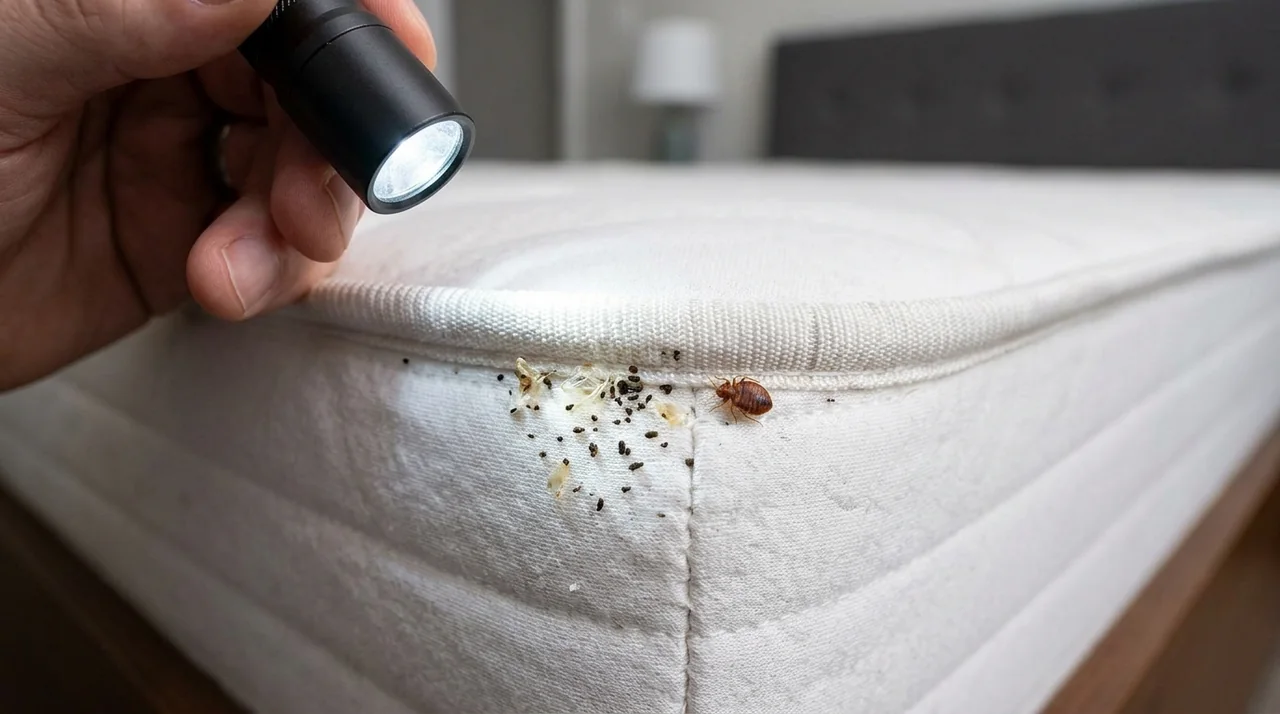
Before treating, confirm you actually have bed bugs and find where they cluster. Look for live bugs (apple-seed sized, reddish-brown), pale shed skins, tiny white eggs, and dark ink-like fecal spots along mattress seams, box-spring corners, the headboard, and cracks near the bed. Most bed bugs stay within a few feet of where people sleep. Mark the hot spots; you will return to them repeatedly. Slipping interceptor cups under bed and furniture legs both catches bugs and tells you whether numbers are rising or falling week to week.
Step 2: Reduce Clutter and Contain
Every object beside the bed is a potential hiding spot. Bag loose clothing, bedding, and soft items, and run everything washable through a hot dryer cycle (30 minutes on high after reaching heat). Do not haul unbagged items to other rooms, which only spreads the problem. Resist throwing out the mattress unless it is damaged; a discarded mattress can seed an infestation elsewhere, and encasing it is usually cheaper and just as effective.
Step 3: Physically Remove What You Can
Vacuum seams, tufts, cracks, baseboards, and the bed frame thoroughly, using a crevice tool. Immediately seal the vacuum contents in a bag and put it in an outdoor trash bin. Follow with a steamer along seams and crevices to kill eggs and bugs the vacuum missed. Then install zippered, bed-bug-rated encasements on both the mattress and box spring, and leave them on for at least a year; anything trapped inside cannot bite or escape.
Step 4: Treat Residual Harborages
For cracks, frame joints, and baseboards, an EPA-registered product labeled for bed bugs can help reach bugs you cannot physically remove. Read and follow the EPA product label exactly, apply only to labeled surfaces, and never treat a mattress surface with a product not labeled for it. Be aware that bed bug populations in some areas have reduced susceptibility to certain older chemistries, which is another reason non-chemical steps do the heavy lifting.
Step 5: Repeat and Verify
This is the step people skip. Re-inspect and re-treat the hot spots on a weekly cycle for several weeks, because eggs hatch over one to two weeks and newly hatched bugs need to be caught. Keep the interceptor cups in place and count what you find; a steady decline toward zero is your evidence. Isolate the bed by pulling it a few inches from the wall, keeping bedding off the floor, and relying on the interceptors as a moat.
If you are still finding live bugs after three to four weeks of consistent effort, or the infestation is spreading between rooms or units, bring in a licensed pest professional. Bed bugs are notoriously persistent, and there is no shame in escalating.