


Bed bugs and their eggs die when their body temperature is held high enough for long enough. That single fact is the basis of every heat treatment, and it is also where most DIY attempts go wrong. Getting a room to a killing temperature is far harder than it sounds, so this guide focuses on the heat methods a homeowner can realistically pull off: the dryer, portable heat chambers, and steam.
Why Heat Works (And Its Limits)
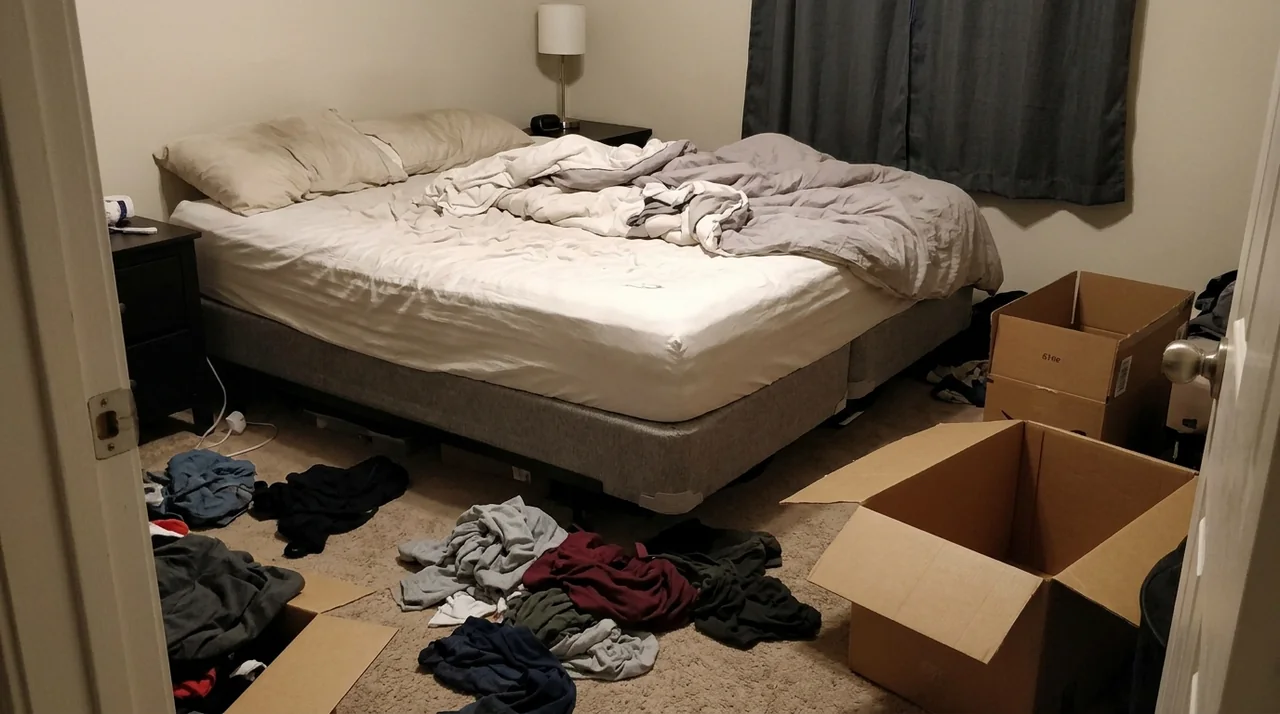
Bed bugs cannot regulate their temperature. Research from university entomology programs generally puts lethal exposure in the range of roughly 118 to 122°F (48 to 50°C) sustained for over an hour, with eggs being the most stubborn stage. The catch is that air temperature is not bug temperature. A cluttered mattress, a stuffed drawer, or the cool core of a folded blanket can shelter bugs in a pocket that never reaches the target. Whole-room DIY heaters sold online often fail because heat does not penetrate evenly, and they can also be a fire risk. Treat heat as one strong tool inside a larger plan, not a one-shot cure.
The Dryer: Your Most Reliable Heat Weapon
For anything washable or dryer-safe, a household clothes dryer is the most dependable heat tool you own. Run items on the highest heat the fabric allows for at least 30 minutes after they reach full heat. This handles sheets, clothing, curtains, soft toys, and shoes that tolerate heat. Bag items at the infested room, carry them sealed to the laundry, and empty bags directly into the dryer so you are not scattering bugs down a hallway. Fold and store treated items in fresh sealed bags until the infestation is resolved.
Steam and Portable Heat Chambers
A steamer that produces dry, high-temperature vapor can kill bugs and eggs on contact along mattress seams, baseboards, headboards, and upholstered furniture. Move the nozzle slowly (about an inch per second) and use a cloth over the head to avoid blasting bugs into the air. Steam only kills what it directly touches, so it will not reach deep inside a wall or frame.
Commercial portable heat chambers are insulated boxes that hold shoes, books, backpacks, and small electronics at a killing temperature for a set time. They are useful for items you cannot wash or steam. Follow the manufacturer's loading limits; overpacking creates cool spots.
Where DIY Heat Falls Short
Heat does not leave any residue, so a bug that wanders in tomorrow from a neighboring wall void is unaffected. That is why heat pairs best with thorough vacuuming, mattress and box-spring encasements, and, where appropriate, EPA-registered residual products used strictly per the label. If you use any pesticide alongside heat, read and follow the EPA product label exactly, and never apply a product to a surface it is not labeled for.
Whole-home professional heat treatments use calibrated equipment and sensors to hold lethal temperatures throughout a structure, which is why they succeed where DIY room heaters usually do not. If an infestation is widespread, spreading between units, or persisting after several weeks of diligent effort, calling a licensed professional is often the faster and cheaper path.