Odorous House Ant
Tapinoma sessile · also called odorous ant, sugar ant, coconut ant
Quick answer
The odorous house ant (Tapinoma sessile) is a tiny brown-black ant named for the rotten-coconut smell it gives off when crushed. It marches in trails to sweets and moisture indoors, nesting in wall voids and under floors. It does not sting or damage wood, but its large, multi-queen colonies make it a persistent kitchen nuisance.
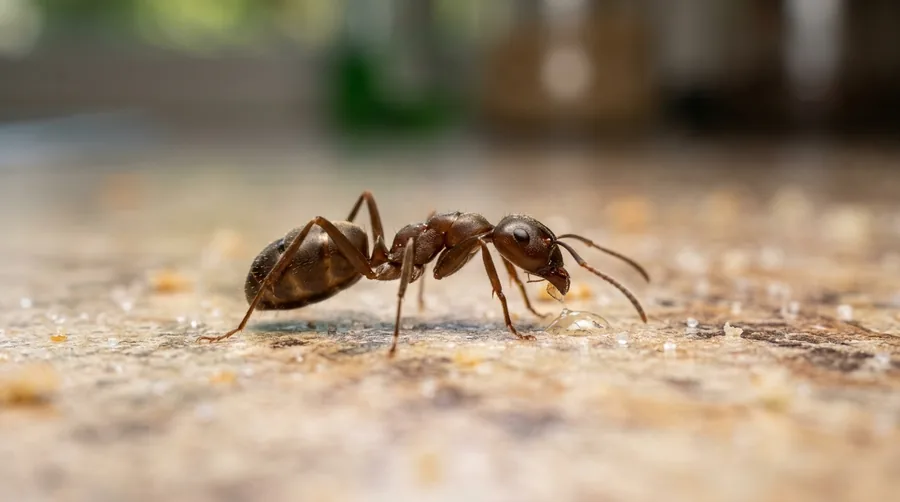
Tiny dark brown odorous house ants following a trail across a kitchen countertop
Recommended Products
See the full ranking →

What it does
Odorous house ants forage in well-defined trails, day and night, following scent paths to food and back to the nest. Crushed workers give off a distinctive rotten-coconut or bluish-cheese smell, which is the easiest way to identify them. Colonies readily split and relocate, a habit called budding, and they move indoors especially after rain or during dry spells.
Where it lives
Outdoors they nest under mulch, stones, logs, landscape timbers, and debris, usually in shallow soil. Indoors they nest in wall voids, beneath floors, around water pipes, and behind cabinets near warmth and moisture. They are one of the most common household ants across the continental US.
How it breeds
Colonies contain multiple queens and can hold thousands of workers. Queens lay eggs that pass through larval and pupal stages to become workers or reproductives. Winged swarmers appear mainly in late spring and early summer. Because colonies bud, a single infestation can fragment into several nests, which makes control harder.
What it eats
Odorous house ants strongly prefer sweets, especially honeydew produced by aphids outdoors and sugary spills, syrups, and fruit indoors. They also take greasy and protein foods and dead insects, shifting their preference with the colony's needs.
Identification
Workers are small, about 1/8 inch, and uniformly brown to black with a single hidden node on the waist and an uneven, humped thorax seen in profile. The giveaway is the coconut-like odor when crushed. They are easily mistaken for pavement ants or the tiny Argentine ant.
Signs of an infestation
- Persistent trails of tiny dark ants along counters, baseboards, and walls
- A rotten-coconut smell when the ants are crushed
- Ants clustering around sweets, spills, and pet food
- Trails leading to wall gaps, outlets, or under sinks
- More ants indoors after rain or during hot, dry weather
Prevention tips
- Wipe up spills and store sweets and food in sealed containers
- Clean counters and take out trash regularly
- Fix leaks and dry areas under sinks to remove moisture
- Seal cracks and gaps where trails enter walls
- Trim vegetation and move mulch and firewood away from the foundation
Professional solutions
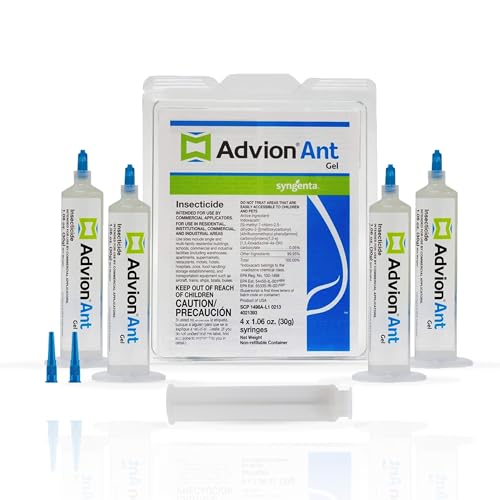
Odorous house ants are treatable but frustrating because their multi-queen colonies bud when disturbed. Slow-acting sweet ant baits carried back to the nest work better than sprays, which can split colonies and worsen the problem. For recurring or widespread trails, a professional can locate nests and use non-repellent products and baiting strategies designed for budding ants.
Health & safety
Odorous house ants do not sting and pose little direct health risk. They can walk across and contaminate food and surfaces as they forage, so food touched by trails should be discarded, but they are not a recognized disease vector. Their main impact is nuisance and food spoilage rather than illness or property damage.
Relevant Products


Frequently asked questions
Why do these ants smell when you squish them?
The odorous house ant releases a chemical that smells like rotten coconut or blue cheese when crushed, which gives the species its name. That smell is one of the quickest ways to tell it apart from other small brown or black household ants.
How do I get rid of odorous house ants?
Use slow-acting sweet ant baits so foragers carry the active ingredient back to the multi-queen nest, and avoid spraying trails, which can cause colonies to split and spread. Pair baiting with cleaning up food and moisture. Persistent infestations may need a professional.
Do odorous house ants damage the house?
No. Odorous house ants do not sting, and they do not chew or damage wood or structures the way termites or carpenter ants can. They are mainly a nuisance that contaminates food and forms persistent indoor trails.
Fact-checked by Morgan Vance, Editorial Director (editorial review, not a professional pest-control or medical sign-off). Last reviewed May 29, 2026. We correct anything a reader shows us is wrong — see our corrections policy.