
Natural Tick Repellent
Natural Tick Repellent, ranked from aggregated owner ratings and reviews, not first-hand testing. Real pros, cons, and who each pick is best for.

Our Top 3 Picks
Quick Comparison
| Product | Best for | Buy | |
|---|---|---|---|
| Wondercide Flea and Tick Spray for Pets and Home | Best Overall | See Amazon | View |
| Vet's Best Flea and Tick Home Spray | Best Value | See Amazon | View |
| Cedarcide Original Bug Spray Yard Formula | Best Premium | See Amazon | View |
| EcoSmart Organic Insect Killer | Best for Outdoor Areas | See Amazon | View |
| Natrapel Tick and Insect Repellent | Best for On-Body Use | See Amazon | View |
| Repel Plant-Based Lemon Eucalyptus Insect Repellent | Best for Sensitive Skin | See Amazon | View |
What a natural tick repellent can do
A natural tick repellent lowers bites without synthetic actives like DEET. It is a real tool, but it is not a force field. A natural tick approach works best layered with clothing checks and yard care. Reapply often, because a natural repellent fades faster than a synthetic one.
Most plant-based products use essential oils. Cedarwood oil is a common base. These natural oils repel by scent, so coverage and timing matter.
Repellent dogs wear vs repellent humans use
Products for pets and people are not interchangeable. A repellent dogs wear must be labeled for dogs, at the right weight and age. A repellent humans apply is made for skin and clothing.
Wondercide makes both a dog line and a people line. A repellent dog owners trust is one they use correctly, at the right dose, every time.
A tick natural, dog natural, and dogs natural approach
A tick natural spray still needs reapplying after a few hours. Many dog natural and dogs natural products share cedarwood oil and other plant oils. Pick a repellent natural enough for daily use, but check the label for cats in the home.
For a dog tick plan, brush and check the coat daily in tick season. Pull attached ticks with fine tweezers, straight out.
Yard and source control
A repellent yard program cuts the tick population before it reaches you. Keep grass short. Clear leaf litter and brush at the lawn edge. Make a gravel or mulch border between the woods and play areas.
A natural dog owner can pair yard care with an on-animal product. This flea and tick combination beats any single step. A natural flea routine plus daily checks stops most problems early.
Choosing a product that works
A natural repellent is only as good as its use. Read the label for how often to reapply. Do a small skin test first. Store oils out of sun and heat.
Some sprays use synthetic permethrin on clothing, not skin, which lasts longer than plant oils. Decide what fits your comfort and your pets before you buy.
Safety and honest expectations
Natural does not mean risk-free. Some essential oils, especially strong tea tree, are toxic to cats and can harm dogs at the wrong dose. Keep every product in its original container, away from kids and pets.
Repellents are registered or regulated by the EPA or FDA, so follow the label and protect pollinators near flowers. No repellent, natural or synthetic, replaces a tick check after time outdoors. If a pet or person swallows or reacts to a product, call your vet or Poison Control at 1-800-222-1222.
Full Ranking, Reviewed

Best for Homes wanting one cedarwood-oil spray safe for pets, carpets, and furniture
- Cedarwood oil and other essential oils as active ingredients
- EPA-exempt minimum-risk formula
- Safe for use directly on dogs, cats, and home surfaces
- Ready-to-use trigger spray
- No synthetic pesticides
- Multi-use on pets, yard, and indoors
- Shorter residual effect than synthetic sprays
- Strong essential-oil scent
Verdict: The most trusted all-in-one natural option for households that want a single product for pets and living spaces.

Best for Budget-conscious owners treating carpets, bedding, and furniture
- Peppermint and clove plant-oil formula
- Kills fleas, ticks, and eggs on contact per label
- Lower cost per ounce than premium natural sprays
- Affordable for larger homes
- Pleasant scent
- Needs frequent reapplication
- Not labeled for direct pet application
Verdict: A solid budget natural spray for treating the home environment rather than the pet directly.

Best for Owners wanting a higher-concentration cedar oil treatment for yard and home
- Concentrated cedar oil formula
- Hose-end applicator option for yard coverage
- Labeled for pets, kids' play areas, and indoor use
- Higher active-ingredient concentration
- Versatile indoor/outdoor use
- Premium price per bottle
- Requires more frequent reapplication than synthetic products
Verdict: Worth the extra cost for households treating both a yard and an interior with one cedar-oil line.
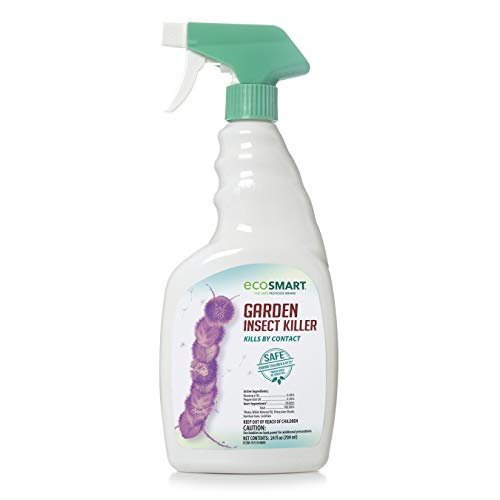
Best for Patios, decks, and garden beds where a plant-oil spray is preferred
- Rosemary, peppermint, and thyme oil blend
- Labeled for use around kids and pets once dry
- Broad-spectrum outdoor insect control
- No synthetic pyrethroids
- Safe for garden use
- Best for light infestations
- Evaporates faster than synthetic residuals
Verdict: A good outdoor-focused natural spray for patios and garden borders.

Best for Personal skin application before yard work or hikes
- 20% picaridin active ingredient
- CDC-recommended alternative to DEET
- Continuous spray, non-greasy formula
- Effective against ticks per EPA testing
- Doesn't damage synthetics or plastics
- Picaridin is synthetic, not a botanical oil
- Needs reapplication every several hours outdoors
Verdict: The pick for personal, on-skin tick protection when working or playing in tick habitat.

Best for Adults who prefer an oil-of-lemon-eucalyptus (OLE) based repellent
- Oil of lemon eucalyptus active ingredient
- CDC-listed as an effective mosquito/tick repellent
- Pump spray bottle
- Plant-derived active ingredient
- Long-lasting compared to citronella
- Not recommended for children under 3
- Strong lemon scent
Verdict: A dependable plant-based repellent for anyone who wants to avoid DEET and picaridin.
Frequently Asked Questions
Are natural flea and tick sprays as effective as chemical ones?
Plant-oil sprays repel and kill on contact but typically don't match the multi-week residual control of synthetic pyrethroids. They work well for light-to-moderate pressure and ongoing prevention, but a heavy infestation usually needs more frequent reapplication or a combination approach with vet-recommended pet products.
Are essential oil pest sprays safe around cats?
Use caution — cats process essential oils differently than dogs and can be sensitive to concentrated phenols in oils like tea tree, wintergreen, or clove. Choose products specifically labeled safe for cats, let treated surfaces dry before pets contact them, and consult your vet if your cat has a history of sensitivity.
How often do I need to reapply a natural pest spray?
Most essential-oil sprays need reapplication every one to two weeks indoors and after rain or heavy watering outdoors, since plant oils break down faster than synthetic residual pesticides. Check your specific product label for the manufacturer's recommended interval.