Bat Bug
Cimex adjunctus · also called bat bugs, eastern bat bug
Quick answer
The bat bug (Cimex species) is a small, flat, reddish-brown insect nearly identical to the bed bug that normally feeds on bats. When bats roost in an attic or wall and then leave, bat bugs move into living spaces and bite people. Solving it means removing the bat roost, not just the bugs.
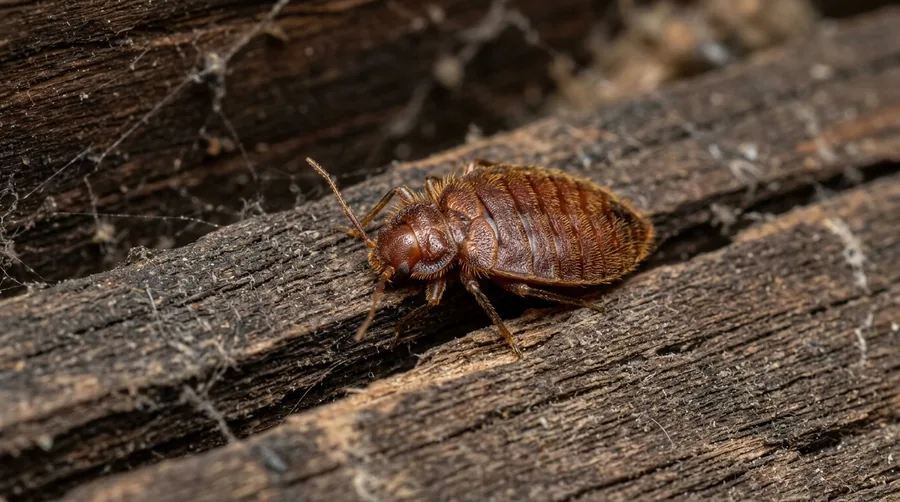
Flat oval reddish-brown bat bug, nearly identical to a bed bug, on a light surface
Recommended Products
See the full ranking →


What it does
Bat bugs are blood-feeders that live near their bat hosts in roosts. When a bat colony leaves or is excluded, the hungry bugs disperse downward through wall voids and ceilings into living areas, where they bite people as a substitute host. They hide in cracks by day and emerge to feed.
Where it lives
Their true habitat is bat roosts in attics, chimneys, wall voids, and behind fascia. From there they move into bedrooms and living spaces along pipes, wiring, and gaps. They are found across the US wherever bats roost in buildings, and are most often noticed after a bat problem is disturbed.
How it breeds
Like bed bugs, females lay eggs in cracks near the roost; nymphs pass through several molts, each requiring a blood meal, developing over weeks in warm conditions. Their reproduction is tied to the presence of a bat host, and populations decline once the host and harborage are removed.
What it eats
Bat bugs feed on the blood of bats by preference. In the absence of bats they will bite humans and pets to feed. They do not eat household food or fabric.
Identification
Bat bugs are flat, oval, reddish-brown, and about 4-5 mm, essentially indistinguishable from bed bugs to the naked eye. The reliable difference is microscopic: bat bugs have longer fringe hairs on the pronotum (the shield behind the head). Correct ID often requires an entomologist or pest professional.
Signs of an infestation
- Bed-bug-like bites appearing, often after bat activity
- Small flat reddish-brown bugs on walls and ceilings
- Bugs concentrated near attic hatches, light fixtures, or chimneys
- History of bats roosting in the attic or walls
- Bugs found upstairs and along ceiling lines rather than only in beds
Prevention tips
- Have bats professionally and legally excluded from the structure
- Seal attic gaps, chimney openings, and wall penetrations after exclusion
- Screen vents, soffits, and louvers to prevent bat re-entry
- Install door sweeps and seal cracks between rooms and voids
- Inspect for and address bat guano and roost sites promptly
Professional solutions
Bat bugs are a two-part problem, so a professional approach is strongly recommended. A wildlife specialist removes and excludes the bats legally (timing matters for protected maternity seasons), then a pest professional treats harborage and voids with EPA-registered products. Treating bugs without removing the bat roost only leads to recurring bites.
Health & safety
Bat bug bites cause itchy welts much like bed bug bites, and reactions vary from none to significant itching. They are not known to transmit disease to people. The larger health context is the bats themselves, which can carry rabies and whose guano poses its own risks, so professional, legal bat removal is important.
Relevant Products



Frequently asked questions
How do I tell bat bugs from bed bugs?
They look identical to the naked eye. The reliable difference is microscopic: bat bugs have longer fringe hairs on the shield behind the head. A big clue is context, bugs appearing near an attic or after bats leave, rather than only around the bed. A professional can confirm the ID.
Why do I still get bitten after treating for bat bugs?
Because the source is usually a bat roost. If bats in the attic or walls are not removed and excluded, bat bugs keep dispersing into living spaces and biting. Effective control pairs legal bat exclusion with treatment of harborage, not spraying the bugs alone.
Fact-checked by Morgan Vance, Editorial Director (editorial review, not a professional pest-control or medical sign-off). Last reviewed June 20, 2026. We correct anything a reader shows us is wrong — see our corrections policy.