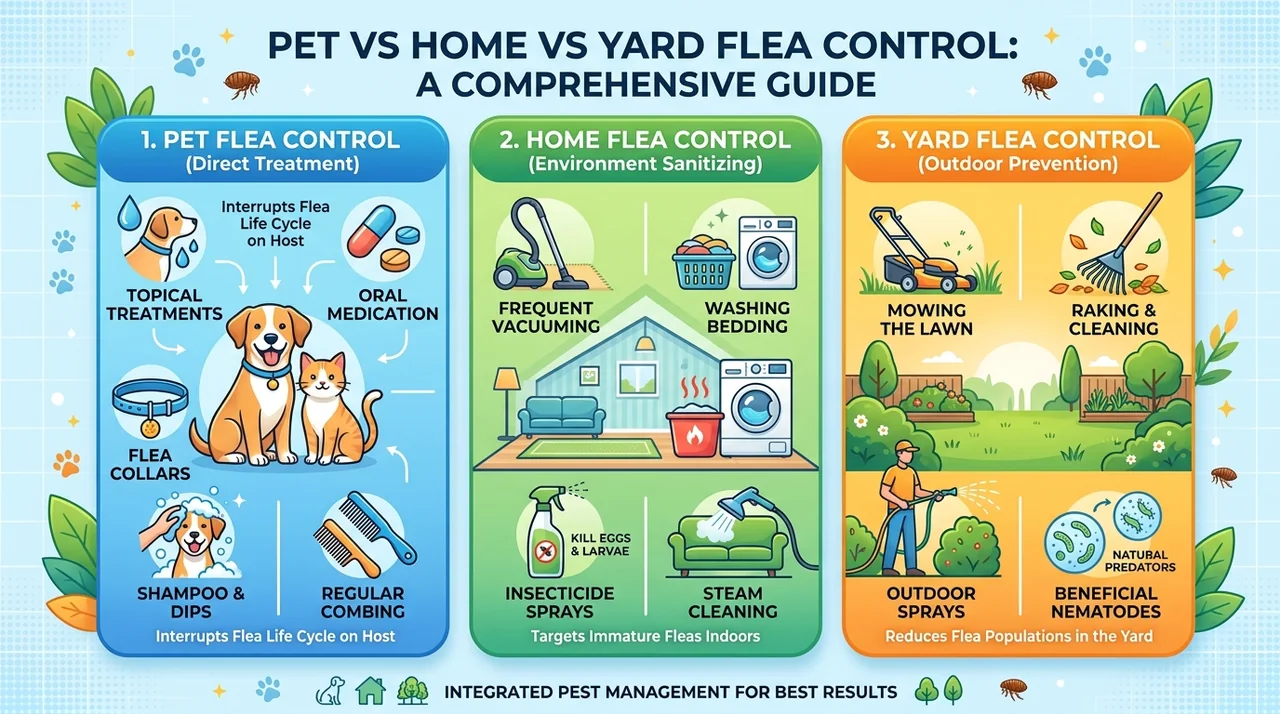

A flea problem is really three problems at once: fleas on the pet, immature fleas throughout the home, and fleas surviving outdoors. Treat only one front and the cycle rebounds. Understanding how the work splits across pet, home, and yard is what turns weeks of frustration into a clean house.
Treating the Pet
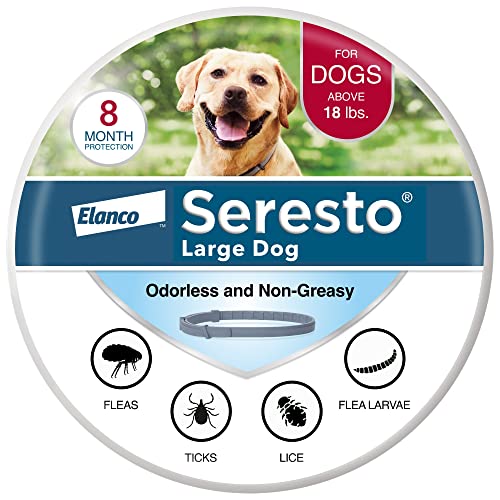
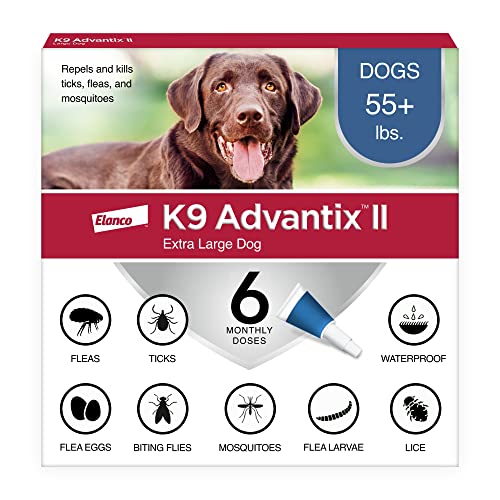
The pet is where adult fleas feed and lay eggs, so this is the most important front. Use a veterinarian-recommended oral or topical product, treat every pet in the household (not just the one that's scratching), and keep it up on schedule through the season. Never use a dog product on a cat without confirming it's safe — some canine products contain permethrin, which is highly toxic to cats. Treating the pet cuts the flea cycle off at its source, which is why nothing else works well without it.
Treating the Home (Indoors)
Here's the fact that surprises people: the large majority of a flea population isn't the adults on your pet — it's eggs, larvae, and pupae in the environment. So indoor work targets those immature stages:
- Vacuum daily — carpets, cracks, under furniture, and pet resting spots — then discard the bag or empty the canister. Vacuuming removes all life stages and triggers protected pupae to emerge.
- Wash pet bedding in hot water weekly.
- Spot-treat carpets and pet areas with an IGR product to stop immature fleas developing.
A flea comb run over your pet is a simple way to track progress: fewer live fleas and less "flea dirt" (dark specks that turn red on a damp paper towel) week over week tells you the plan is working. Don't be discouraged by a spike of new adults a week or two in — that's usually pupae hatching on schedule, not a failure, and continued vacuuming and pet treatment will clear them. If several weeks of diligent effort on all three fronts still leaves a heavy population, a professional can treat the home and yard more thoroughly and help rule out a re-introduction source such as visiting animals or wildlife sheltering under the house.
Treating the Yard
Outdoors, fleas survive in shaded, moist, protected spots — under decks, dense shrubs, and pet resting areas — not open, sunny lawn. Concentrate any yard treatment there, keep grass mowed, clear debris, and limit access by wildlife that carries fleas in. Handled well indoors and on the pet, the yard often needs less attention than people expect.
Why You Must Do All Three
Skip a single front and the infestation returns: an untreated pet re-seeds the home, and an untreated home re-infests the pet. The three efforts reinforce each other, so coordinate them at the same time and keep at it for several weeks to outlast the pupae. A single burst of effort on one front almost always disappoints — steady, simultaneous work on all three is what finally breaks the cycle.
Follow every product label exactly, ask your veterinarian about pet products, and call Poison Control at 1-800-222-1222 for any accidental exposure.


