
Little Black Ant
Monomorium minimum · also called little black ants, tiny black ant
Quick answer
The little black ant (Monomorium minimum) is a tiny, shiny black ant native to North America. Its colonies hold many queens and spread through soil, woodwork, and wall voids. Workers trail indoors in long lines for sweets and grease. It's a common nuisance but doesn't sting meaningfully or damage structures.
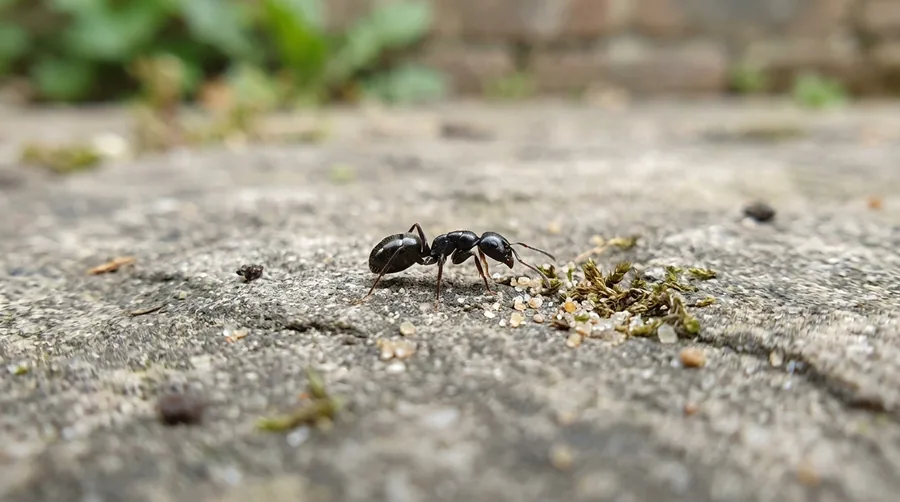
A thin trail of tiny shiny black little black ants crossing a kitchen counter
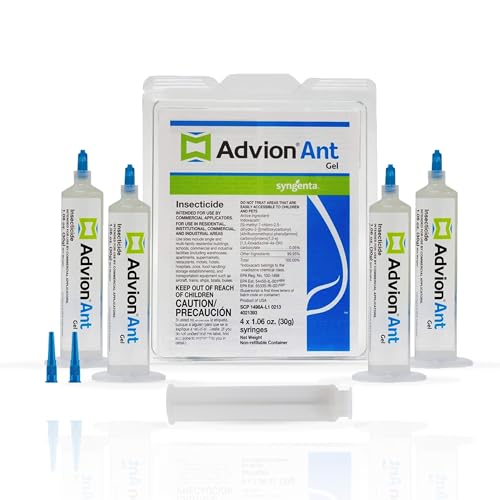
Recommended Products
See the full ranking →

What it does
Little black ants forage in long, slow-moving trails and have colonies with many queens. They nest in soil, rotting wood, masonry, and wall voids, and readily move indoors for food. Their small size lets them enter through very small gaps.
Where it lives
Outdoors they nest in soil, under rocks, mulch, and logs, and in rotting wood. Indoors they nest in wall voids, woodwork, masonry, and behind facings and trim. They are native and found nationwide, often in yards and along foundations.
How it breeds
Colonies have multiple queens and moderate-to-large worker numbers. Winged reproductives swarm in mid-to-late summer. The ants develop through complete metamorphosis, egg to larva to pupa to adult, over several weeks.
What it eats
Little black ants eat sweets, honeydew, grease, oils, proteins, insects, and household crumbs. They are strongly attracted to sugary foods, which is why sweet baits usually work well against them.
Identification
Workers are very small, about 1/16 inch, and a uniform shiny black, with a two-segmented waist and 12-segmented antennae ending in a three-segmented club. Small size, dark color, and thin trailing lines are the practical field cues.
Signs of an infestation
- Long, thin trails of tiny black ants
- Foraging ants on counters and in pantries
- Small soil craters near foundations and walkways
- Winged ants indoors in mid-to-late summer
- Ants emerging from cracks and wall voids
Prevention tips
- Seal cracks and entry points around the home
- Keep food sealed and surfaces clean
- Trim vegetation touching the house
- Fix moisture problems that attract nesting
- Bait active trails with a sweet bait
Professional solutions
Sweet baiting usually controls little black ants, but colonies with many queens can persist. If trails keep returning, a professional can treat nests and the exterior perimeter for more durable results. Always read and follow the EPA label on any product.
Health & safety
Little black ants have a stinger, but it is too small to affect people, and they spread no known disease. They are a nuisance that can contaminate food, so discard exposed items. Overall household risk is low.
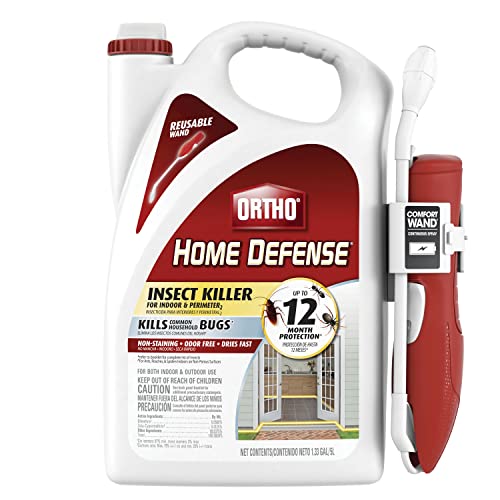
Relevant Products


Frequently asked questions
What are the tiny black ants all over my kitchen?
Very small, uniform shiny black ants trailing to sweets are most often little black ants. They nest in soil, walls, and woodwork and forage indoors for sugary and greasy foods. Sweet baits placed along the trail are usually effective.
Do little black ants bite or sting?
They technically have a stinger, but it is too small to affect people, so they are not a biting or stinging concern. The main issue is that they contaminate food they walk across, so discard anything they have reached.
How do I get rid of little black ants?
Seal entry points, remove food and moisture sources, and place a slow-acting sweet bait along active trails so workers carry it back to the many queens. If trails keep returning, a professional can treat the nests and perimeter.
Fact-checked by Morgan Vance, Editorial Director (editorial review, not a professional pest-control or medical sign-off). Last reviewed May 19, 2026. We correct anything a reader shows us is wrong — see our corrections policy.