
Thief Ant
Solenopsis molesta · also called thief ants, grease ant
Quick answer
The thief ant (Solenopsis molesta) is one of the smallest house ants, pale yellow to light brown and easy to mistake for a pharaoh ant. It nests near other ant colonies and steals their food and brood, which gives it its name. Indoors it prefers greasy, protein-rich foods over sweets.
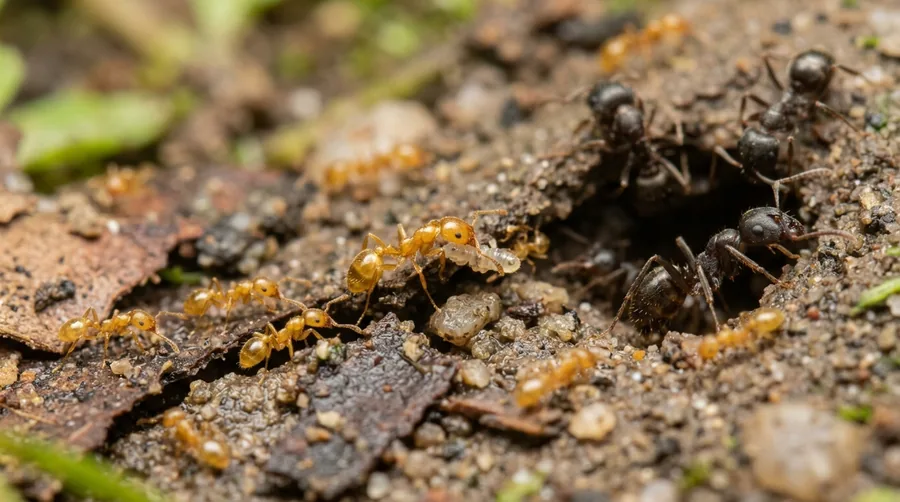
Extremely small pale yellow thief ants trailing toward a greasy food spot on a shelf
Recommended Products
See the full ranking →

What it does
Thief ants nest in soil, cracks, and wall voids, often right beside other ant colonies whose brood and food they steal, which is how they earned their name. They forage in trails for greasy and protein foods, and their tiny size lets them slip through minute gaps.
Where it lives
Outdoors they nest under rocks, in soil, and in decaying wood, frequently near larger ant nests. Indoors they nest in wall voids, cabinets, and cracks close to food. They are found nationwide, often going unnoticed because of their size.
How it breeds
Colonies have one or more queens and moderate worker numbers. Winged reproductives swarm from late summer into fall. The ants develop through complete metamorphosis, egg to larva to pupa to adult, over several weeks.
What it eats
Unlike many house ants, thief ants prefer greasy and protein-rich foods, such as meats, cheese, oils, and dead insects, along with some sweets. This grease preference matters when choosing bait, since sweet baits often fail.
Identification
Workers are extremely small, often 1/16 inch or less, pale yellow to light brown, with a two-segmented waist and 10-segmented antennae ending in a two-segmented club. Their minute size and grease preference help separate them from similar-looking pharaoh ants.
Signs of an infestation
- Trails of minute pale ants toward greasy or protein foods
- Ants emerging from cracks, outlets, and wall voids
- Foraging in pantries and around meats and oils
- Ants small enough to enter sealed packaging
- Activity near other ant nests they raid
Prevention tips
- Seal tiny cracks and entry points
- Store food, including pet food and meats, sealed
- Clean up grease and protein residues
- Fix moisture problems that attract nesting
- Use grease- or protein-based baits, not sweet baits
Professional solutions
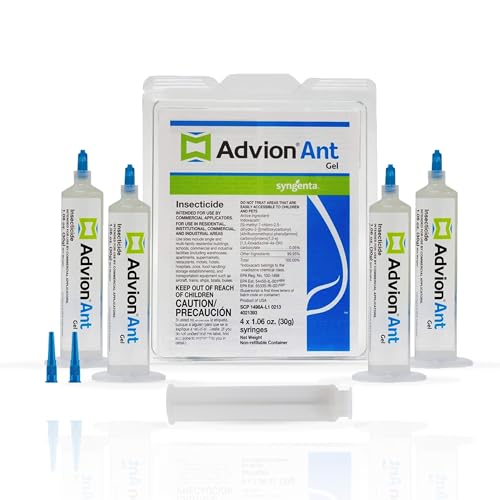
Because of their tiny size and grease preference, baiting can be tricky, and sweet baits often go untouched. Persistent infestations may need a professional to match the right protein-based bait and treat hidden nests. Always read and follow the EPA label on any product.
Health & safety
Thief ants do not meaningfully sting people and spread no known disease, but they can contaminate food, including protein foods, so discard exposed items. Overall household risk is low.
Relevant Products


Frequently asked questions
Why won't sweet ant bait work on these tiny ants?
If a very small pale ant ignores sweet bait and heads for meats, cheese, or oils, it is likely a thief ant, which prefers greasy and protein foods. Switching to a grease- or protein-based bait is usually more effective for this species.
How are thief ants different from pharaoh ants?
Both are tiny and pale, but thief ants are even smaller and prefer greasy, protein-rich foods, while pharaoh ants take a broader range including sweets. Under magnification, thief ants have a two-segmented antennal club versus the pharaoh ant's three-segmented club.
Why are thief ants called thief ants?
They often nest right next to other ant colonies and steal food and larvae from them, which is the behavior behind the name. That same habit of slipping into tight spaces also lets them raid pantries and packaged foods indoors.
Fact-checked by Morgan Vance, Editorial Director (editorial review, not a professional pest-control or medical sign-off). Last reviewed July 10, 2026. We correct anything a reader shows us is wrong — see our corrections policy.