Pharaoh Ant
Monomorium pharaonis · also called pharaoh ants, sugar ant
Quick answer
The pharaoh ant (Monomorium pharaonis) is a tiny yellowish to light-brown ant that nests indoors in warm, humid voids. Notorious in hospitals and apartments, it splits its colony and scatters when sprayed, so baiting, not spraying, is essential. It can mechanically carry bacteria, a concern in healthcare settings.
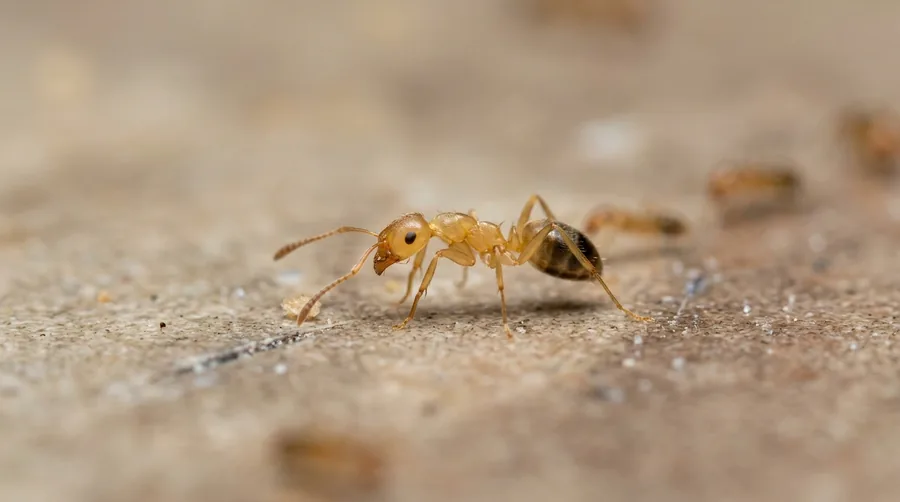
Tiny pale yellow pharaoh ants trailing along a countertop edge near a wall outlet
Recommended Products
See the full ranking →

What it does
Pharaoh ants forage in trails and nest in inaccessible warm, humid voids. When disturbed or sprayed, colonies bud, splitting and relocating to form new nests, which makes them spread rather than die off. Colonies have multiple queens and are extremely persistent indoors.
Where it lives
They live almost entirely indoors: in wall voids, behind baseboards, inside outlets and appliances, and in insulation near heat and moisture. They are common in hospitals, apartments, and hotels, and occur nationwide indoors. They can only survive outdoors in the far south.
How it breeds
Each colony has multiple queens, and each queen lays hundreds of eggs. Workers mature in about a month. Colonies bud to form satellite nests and breed continuously indoors, so numbers build quickly and spread through a building.
What it eats
Pharaoh ants eat sweets, fats and greases, and proteins, and in hospitals they will feed on wound dressings and IV fluids. Their broad diet lets them forage almost anywhere food or moisture is available.
Identification
They are extremely small, about 1/16 inch, pale yellow to light brown with a darker rear, with a two-segmented waist and 12-segmented antennae ending in a three-segmented club. Their tiny size, pale color, and indoor trailing help identify them.
Signs of an infestation
- Trails of tiny yellow ants near heat and moisture
- Ants in bathrooms, kitchens, and around outlets
- Foraging on food and even inside sealed packaging
- Sudden appearance of ants in new rooms (budding)
- Persistent trails that return after spraying
Prevention tips
- Keep food sealed and clean up crumbs and spills
- Fix leaks and reduce indoor moisture
- Avoid spraying trails, which triggers budding
- Seal entry points and cracks where ants travel
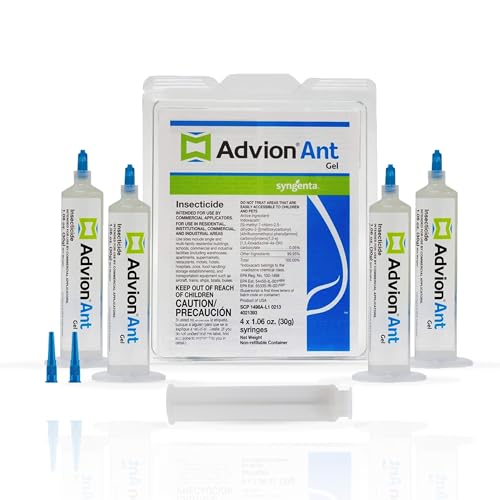
- Use ant baits labeled for pharaoh ants and monitor trails
Professional solutions
Control relies on sustained baiting, never contact sprays, which cause budding and spread the colony. Widespread infestations, and any in hospitals or food facilities, usually need a professional pest management program with careful bait placement and monitoring. Always read and follow the EPA label.
Health & safety
Pharaoh ants do not sting people, but they can mechanically carry bacteria such as Salmonella and Staphylococcus, which makes them a real concern in hospitals and food settings. In homes the main issue is food contamination, so household risk is moderate.
Relevant Products


Frequently asked questions
Why did spraying make my pharaoh ant problem worse?
Pharaoh ant colonies respond to sprays by budding, meaning queens and workers split off and start new nests elsewhere. This scatters the infestation instead of ending it. Baiting is the recommended approach, since ants carry the bait back to the colony.
Are pharaoh ants dangerous in the home?
They do not sting, but they can carry bacteria onto food and surfaces, which is why they are a special concern in hospitals. In a home, the main issue is contamination. Discard food they have reached and rely on baiting for control.
Why are pharaoh ants so hard to get rid of?
They nest in hidden voids, have many queens, breed year-round indoors, and bud when disturbed. These traits let them spread quickly and recover from partial treatment, so consistent baiting over time, often with professional help, is usually needed.
Fact-checked by Morgan Vance, Editorial Director (editorial review, not a professional pest-control or medical sign-off). Last reviewed May 22, 2026. We correct anything a reader shows us is wrong — see our corrections policy.