
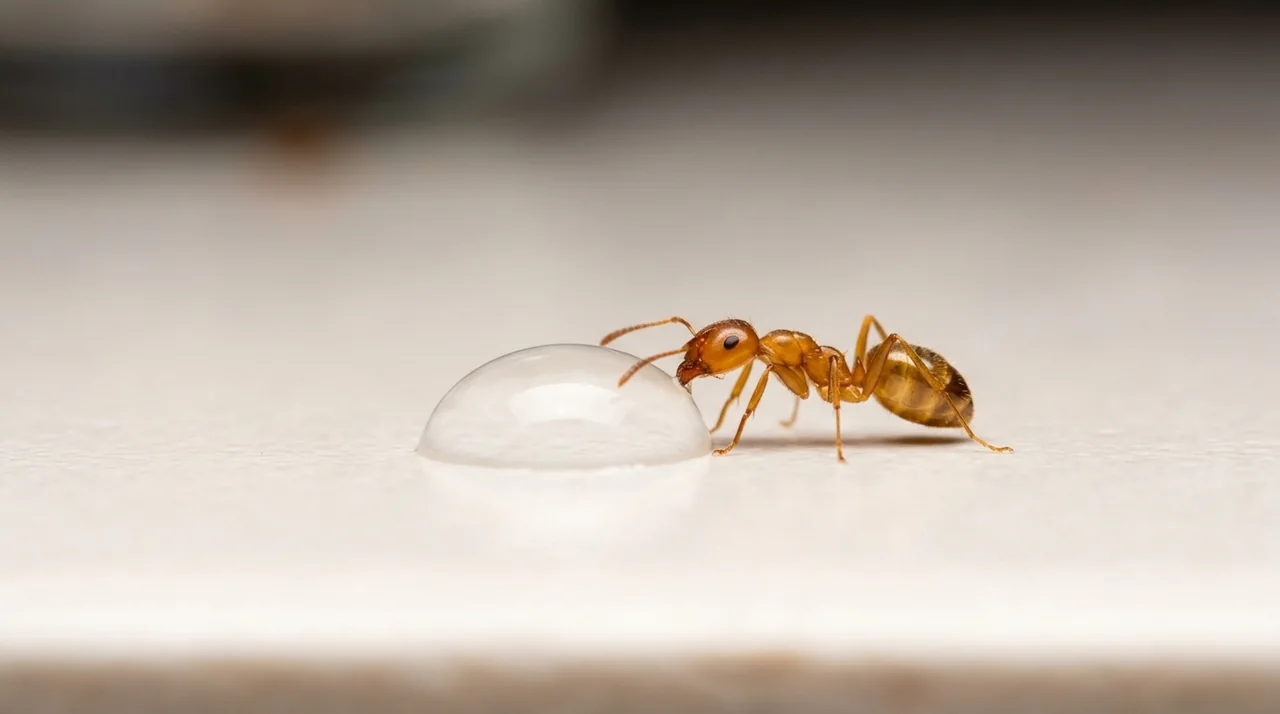


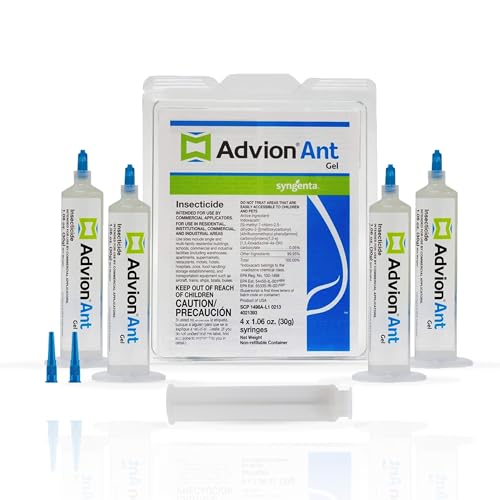
Spraying the ants you can see feels satisfying, but it rarely solves an ant problem. The workers on your counter are a tiny fraction of the colony; the queen and brood stay hidden. Baiting works because foragers carry the bait back and share it, reaching the parts of the colony you can never spray. Done patiently, baiting is the most effective DIY strategy for most household ants.
How Baiting Actually Works
An ant bait is a slow-acting toxicant mixed into food ants want to eat. The key word is slow. A forager must survive long enough to walk home and pass the bait to nestmates through trophallaxis (mouth-to-mouth food sharing). If the bait kills too fast, it never reaches the queen and you only dent the workforce. This is why patience matters: seeing more ants at the bait in the first day or two is a good sign, not a failure. It means recruitment is working in your favor.
Match the Bait to What the Ants Want
Ant food preferences shift with the colony's needs and the season, and this is the single biggest reason baits fail. Many ants crave sugars at some times and proteins or fats at others. If a sweet gel bait is being ignored, offer a protein or grease-based bait instead, and vice versa. A quick test: put out small dabs of something sweet and something greasy, and watch which one the ants swarm. Then choose a labeled bait product in that flavor category. Always read and follow the EPA product label for placement and quantity.
Placement Is Everything
Put bait on the trails and near entry points, not in a random corner. Follow a line of ants back toward where they enter and set bait stations a few inches off the trail so foragers find it quickly. Use several small placements rather than one big glob. Never place baits where children or pets can reach them; use enclosed bait stations in those areas and store products per the label.
Then comes the hardest instruction: stop cleaning up the trail and stop spraying. If you wipe away the pheromone trail or spray repellent near the bait, foragers stop coming and delivery collapses. Let them feed. It can take from a few days to a couple of weeks for a colony to decline.
When Baiting Struggles
Some situations resist simple baiting. Certain ants (for example, some species that form large interconnected colonies with multiple queens) can shrug off a single bait station because the network is so large. If you have knocked down one trail only to see ants reappear elsewhere, you may be dealing with a big or multi-queen colony that needs sustained, multi-point baiting over weeks. Outdoor sources matter too; sealing entry gaps and trimming vegetation that touches the house reduces the highway indoors.
If ant activity persists despite weeks of correct baiting, or you cannot identify the species, a licensed professional can identify the ant and match a targeted product. For a suspected structural pest such as carpenter ants tunneling in wood, professional assessment is worth it.