
Yard Spray For Fleas
Yard Spray For Fleas, ranked from aggregated owner ratings and reviews, not first-hand testing. Real pros, cons, and who each pick is best for.
Our Top 3 Picks
Quick Comparison
| Product | Best for | Buy | |
|---|---|---|---|
| Wondercide Flea and Tick Yard Spray | Best Overall | See Amazon | View |
| Vet's Best Flea and Tick Yard and Kennel Spray | Best Value | See Amazon | View |
| Adams Yard and Premise Spray | Best Premium | See Amazon | View |
| Spectracide Triazicide Insect Killer for Lawns Granules | Best for Large Lawns | See Amazon | View |
| BioAdvanced Complete Insect Killer for Soil and Turf | Best for Long-Lasting Control | See Amazon | View |
| EcoSmart Yard and Garden Insect Killer | Best Natural Option | See Amazon | View |
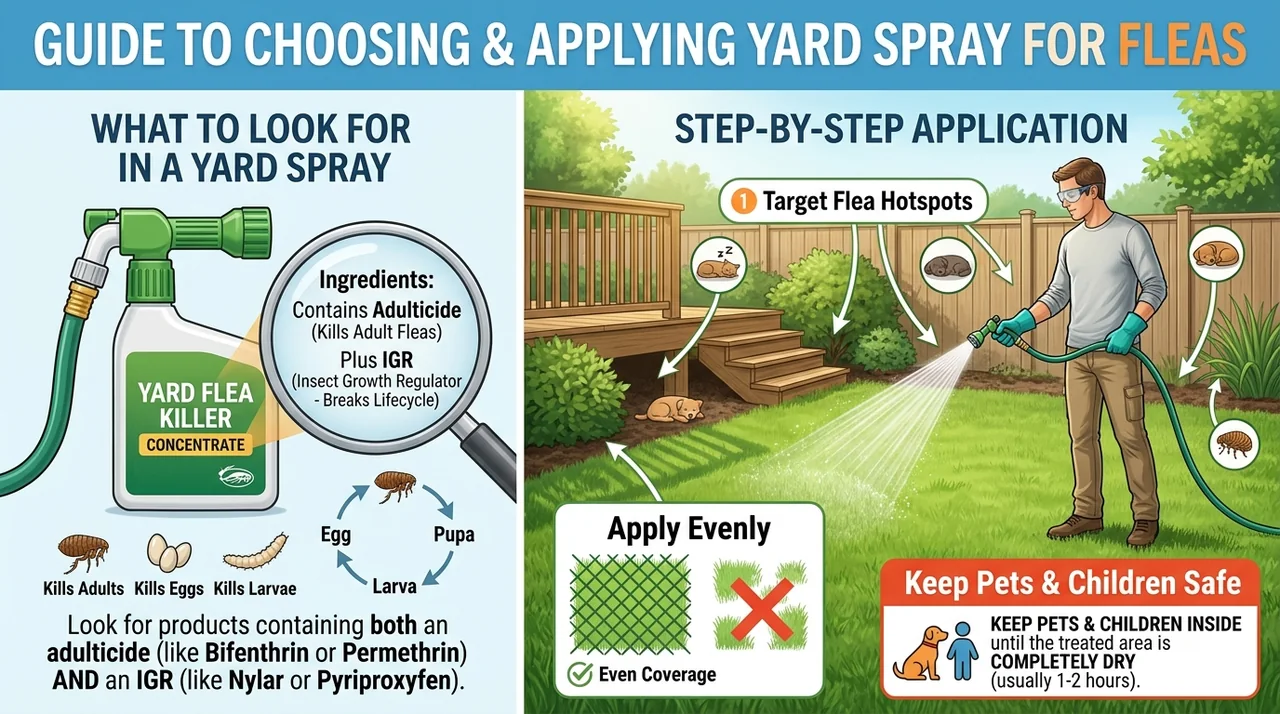
A yard spray for fleas treats the outdoor source, not just the symptoms. Done right, it breaks the flea cycle in the ground. This guide shows how to choose and apply one safely.
Does a Yard Spray for Fleas Actually Work
Yes, when you hit the right spots. A yard spray coats the grass and soil where fleas live. It cuts the outdoor population that keeps re-infesting your pet. Coverage and timing decide the result.Target Flea Eggs with a Spray Fleas Cannot Survive
Most fleas in a yard are eggs and larvae, not adults. Choose a spray fleas cannot survive at every stage. Kill only adults and the problem simply returns. Look for an insect growth regulator, or IGR, that stops young fleas from maturing.Spray Yard Edges and Shady Ground
Fleas hate hot, dry sun. Spray yard edges, bed lines, and shady ground first. Treat under decks, shrubs, and along the north wall. Skip open, baking lawn areas.One Spray for Fleas Ticks Mosquitoes
Many products handle fleas ticks mosquitoes together. A single spray for fleas ticks mosquitoes saves passes. Confirm the label lists all three. Coverage matched to your area's risks works best.Ticks Fleas and the Insect Growth Regulator
Ticks fleas and their eggs need the IGR feature. It breaks the breeding cycle that plain knockdown sprays miss. Sprays with an IGR outperform adult-only formulas. That single feature is the key.Spray Ticks and Yard Ticks at the Fence Line
To spray ticks, focus on the fence line and tall grass. Yard ticks wait on grass tips for a host. Treat the perimeter first for light cases. Go full-yard when your pet is reacting.Ticks Yard and Fleas Yard Hot Spots
Map the ticks yard and fleas yard hot spots before you spray. Both pests gather in moist, shaded zones. Walk the property and mark them. Precision beats blanket spraying.Yard Fleas and a Fleas Spray Schedule
Yard fleas rebound without steady timing. Set a fleas spray schedule, often every three to four weeks. Reapply sooner after heavy rain. Steady timing keeps numbers down.A Natural Spray and Cutter Yard Options
A natural spray, like Wondercide, uses plant oils and suits pet homes. Cutter yard sprays and Adams offer hose-end bottles for wide, even coverage. A hose-end sprayer mixes concentrate as you spray. Walk a steady pace for an even coat.Pet Safe: A Safe Yard for Safe Dogs
Read the active ingredient for a pet safe result. Bifenthrin and permethrin knock down adults fast, but permethrin is highly toxic to cats. Keep cats indoors until a safe yard is fully dry. A dry lawn is what makes it safe dogs can walk on again.A Fleas Safe Lawn: Keeping Pets and Pollinators Safe
A fleas safe lawn still needs care. Keep pets and kids off until the spray dries. Do not spray blooming plants where pollinators feed, and follow the EPA label for dose and re-entry. If a pet or child is exposed, call Poison Control at 1-800-222-1222.When a Flea Infestation Needs a Pro
A yard spray is only one front. Treat the pet and the home too. If the flea infestation persists, a licensed pro can coordinate all three. That is what finally ends the cycle.Full Ranking, Reviewed

Best for Pet-heavy yards needing regular flea and tick suppression
- Cedarwood oil active ingredient
- Hose-end applicator for full-yard coverage
- EPA minimum-risk exempt formula, safe for pets once dry
- No synthetic pesticide residue in areas pets use daily
- Multi-use formula also covers mosquitoes and other pests
- Shorter residual, needs biweekly reapplication
- Premium price for repeat treatments
Verdict: The most trusted plant-oil option for yards where dogs and kids are outside constantly.

Best for Budget treatment of kennel areas, dog runs, and lawns
- Peppermint and clove oil-based formula
- Hose-end or ready-to-spray application
- Labeled for lawns, kennels, and dog runs
- Lower cost per treatment cycle
- Pet-focused labeling for kennel areas
- Shorter residual than premium or synthetic options
- Needs frequent reapplication in high-traffic areas
Verdict: A budget-friendly plant-oil option specifically suited to kennels and dog run areas.
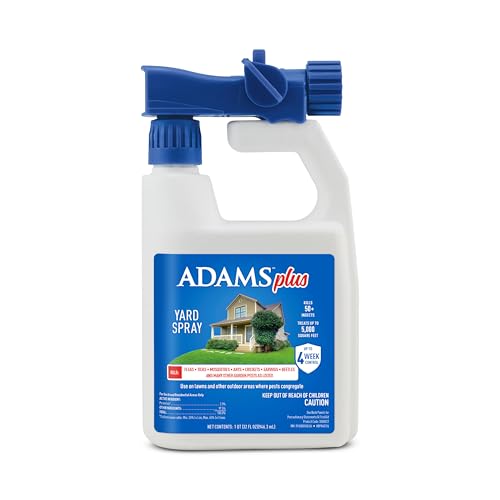
Best for Longer-lasting flea and tick suppression using an IGR approach
- Contains an insect growth regulator (IGR) plus adulticide
- Breaks the flea life cycle, not just kills adults
- Hose-end applicator for yard-wide coverage
- IGR component prevents flea eggs/larvae from maturing
- Longer functional control than plant-oil-only sprays
- Synthetic actives, needs standard reentry precautions
- Premium price versus basic plant-oil sprays
Verdict: The strongest yard treatment here for actually breaking a flea infestation's life cycle, not just knocking down adults.

Best for Broadcasting treatment across bigger lawn areas
- Granular formula for spreader application
- Covers larger square footage than liquid sprays economically
- Broad label covering fleas, ticks, and other lawn insects
- Cost-effective for larger properties
- Easy to apply with a standard spreader
- Requires watering in after application per label
- Synthetic pyrethroid, standard reentry precautions apply
Verdict: The practical choice for larger lawns where a liquid hose-end sprayer isn't the most efficient option.

Best for Households wanting extended residual flea and grub control
- Systemic and residual formula for soil and turf pests
- Also labeled for grubs and other lawn-damaging insects
- Granular, spreader-applied
- Longer-lasting control than most hose-end sprays
- Dual benefit against fleas and turf-damaging grubs
- Requires watering in and a wait period before pet/kid access
- Synthetic active, standard precautions apply
Verdict: Good for lawns dealing with both fleas and grub damage in one application.

Best for Yards with edible gardens where a plant-oil spray is preferred
- Rosemary and peppermint oil-based formula
- Labeled safe near edible plants once dry
- Hose-end sprayer included
- No synthetic residue near garden beds
- Fast reentry time versus synthetic sprays
- Shorter residual, frequent reapplication needed
- Less effective on heavier flea pressure
Verdict: The safer natural pick for yards bordering vegetable gardens or other edible plantings.
Frequently Asked Questions
Do I need to treat both my pet and my yard for fleas?
Yes — most of a flea's life cycle happens off the host in shaded, humid areas of the yard, so treating only your pet leaves eggs and larvae to keep hatching and re-infesting. A combined approach (vet-recommended pet product plus yard treatment) breaks the cycle far more effectively than either alone.
What's an insect growth regulator and why does it matter for fleas?
An IGR is a compound that mimics a flea's own hormones to prevent eggs and larvae from developing into biting, reproducing adults, effectively breaking the life cycle rather than just killing currently active fleas. Products containing an IGR, like Adams Yard and Premise Spray, generally provide longer, more complete yard control than a repellent-only spray.
How long after spraying can pets go back in the yard?
Check your specific product's label — synthetic granular and spray products typically require the treated area to dry fully (and granules to be watered in) before pet reentry, often several hours, while some plant-oil sprays have shorter reentry windows. When in doubt, keep pets off treated grass until it's visibly dry.