
Norway Rat
Rattus norvegicus · also called brown rat, sewer rat, common rat
Quick answer
The Norway rat (Rattus norvegicus) is a large, stocky brown rodent with a blunt nose, small ears, and a tail shorter than its body. It burrows in soil, basements, and sewers, gnawing constantly on wood and wiring. Norway rats contaminate food, damage buildings, and can spread diseases such as leptospirosis and salmonellosis, making them a serious household pest.
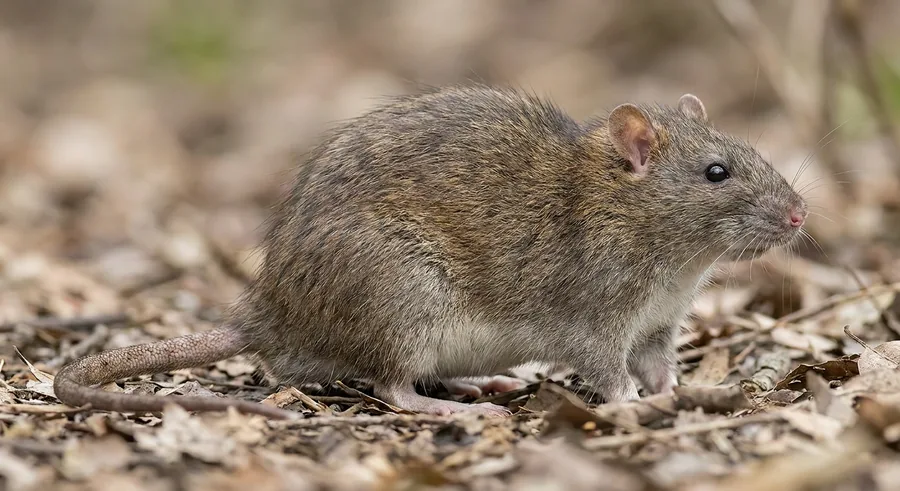
Large brown Norway rat with a blunt nose and short tail on a concrete basement floor
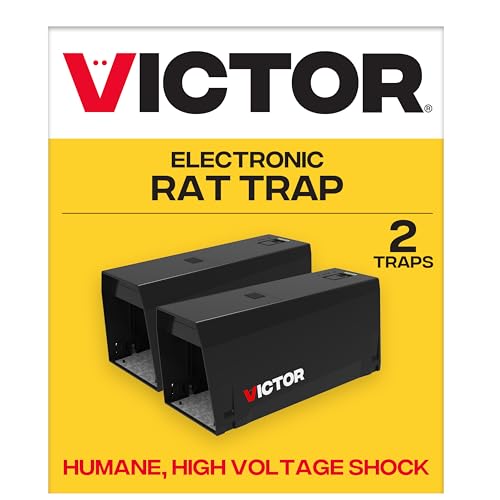
Recommended Products
See the full ranking →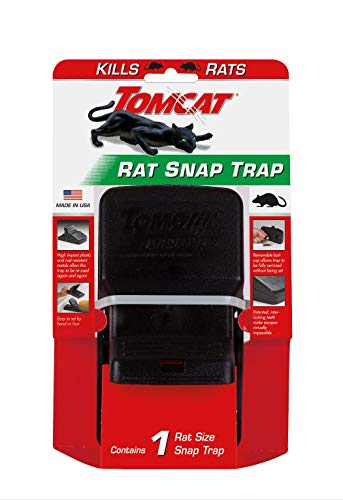

What it does
Norway rats are mainly nocturnal, cautious, and wary of new objects, which can make trapping slow. They are strong burrowers and swimmers but poorer climbers than roof rats, staying low in basements, crawl spaces, and burrows. They gnaw constantly to keep their ever-growing incisors worn down, damaging wood, plastic, pipes, and electrical wiring.
Where it lives
They nest in burrows in soil along foundations, under woodpiles and slabs, and in sewers, as well as inside basements, crawl spaces, and the lower levels of buildings. They stay close to food and water. Norway rats live throughout the US, most abundant in cities, ports, farms, and older neighborhoods.
How it breeds
Norway rats breed year-round where conditions allow. Females mature in a few months and can produce several litters a year, averaging six to twelve pups each. Populations grow quickly when food and harborage are plentiful, so a small problem can escalate within a season if entry points and food sources are not addressed.
What it eats
Norway rats are omnivores that prefer cereal grains, meats, and pet food but will eat almost anything, including garbage and fresh produce. They need daily access to water. They tend to feed at established sites and follow the same routes between harborage and food.
Identification
A Norway rat has a heavy, thick body 7 to 9.5 inches long, coarse brown-gray fur, a pale belly, a blunt nose, small ears, and a scaly tail shorter than its head and body. Droppings are large and capsule-shaped, about 3/4 inch with blunt ends. Compared with the roof rat, it is bulkier with a shorter tail and smaller ears.
Signs of an infestation
- Large capsule-shaped droppings with blunt ends, up to 3/4 inch
- Gnaw marks on wood, wiring, pipes, and food packaging
- Smooth, greasy rub marks along walls and beams
- Burrow openings in soil near foundations, slabs, or woodpiles
- Scratching or gnawing sounds in walls and floors at night
- Runways and worn paths through grass or along walls
Prevention tips
- Seal exterior gaps 1/2 inch or larger with steel, hardware cloth, or concrete
- Store food, grain, and pet food in sealed metal or heavy containers
- Keep garbage in rat-proof bins with tight lids
- Remove clutter, woodpiles, and debris that offer harborage
- Trim vegetation and eliminate standing water and outdoor food sources
Professional solutions
Small numbers may be reduced with well-placed snap traps and tamper-resistant bait stations plus sealing entry points, but Norway rats are wary and infestations often outpace DIY efforts. A professional can identify burrows and entry points, apply an integrated trapping and baiting program, and rodent-proof the structure. Always follow the EPA label on any rodenticide and keep baits away from children and pets.
Health & safety
Norway rats can spread diseases including leptospirosis, salmonellosis, and rat-bite fever through their droppings, urine, bites, or contaminated food and water, and their fleas historically transmitted plague. They bite if cornered, and their gnawing on wiring is a fire hazard. Overall risk is high. Clean contaminated areas cautiously, and seek medical care for bites or possible exposure.
Relevant Products



Frequently asked questions
What's the difference between a Norway rat and a roof rat?
Norway rats are larger and heavier with a blunt nose, small ears, and a tail shorter than the body, and they burrow and stay low in basements. Roof rats are sleeker, with a tail longer than the body, and are agile climbers that prefer attics and upper areas.
How do I know if I have Norway rats?
Look for large capsule-shaped droppings with blunt ends, gnaw marks on wood and wiring, greasy rub marks along walls, burrows in soil near foundations, and gnawing or scratching sounds at night. Runways worn through grass or along walls are another sign.
Are Norway rats dangerous?
Yes, the risk is significant. Norway rats can spread diseases like leptospirosis, salmonellosis, and rat-bite fever, contaminate food, and gnaw wiring, creating a fire hazard. They bite if cornered. Prompt control and sealing entry points are worthwhile. Seek medical care for any bite or possible exposure.
Fact-checked by Morgan Vance, Editorial Director (editorial review, not a professional pest-control or medical sign-off). Last reviewed June 10, 2026. We correct anything a reader shows us is wrong — see our corrections policy.