

Rodenticides (rat poisons) can be part of a rat-control plan, but they carry real risks to children, pets, and wildlife, and they can create secondary problems. Understanding those risks and the label rules is essential before you decide to use one. In many homes, snap traps are the safer first choice; poison is a tool to use carefully, not casually.
Understand the Risks Before You Buy
Rodenticides are designed to kill mammals, and they do not distinguish between a rat and a curious dog or child. The main hazards are:
- Primary poisoning: a child or pet eating the bait directly. This is a medical emergency.
- Secondary poisoning: a pet, owl, hawk, or other predator eating a poisoned rat and being harmed by the toxin it carries.
- Odor and dead animals in walls: a poisoned rat often dies in an inaccessible void, creating a lingering smell and attracting flies.
The Label Is the Law
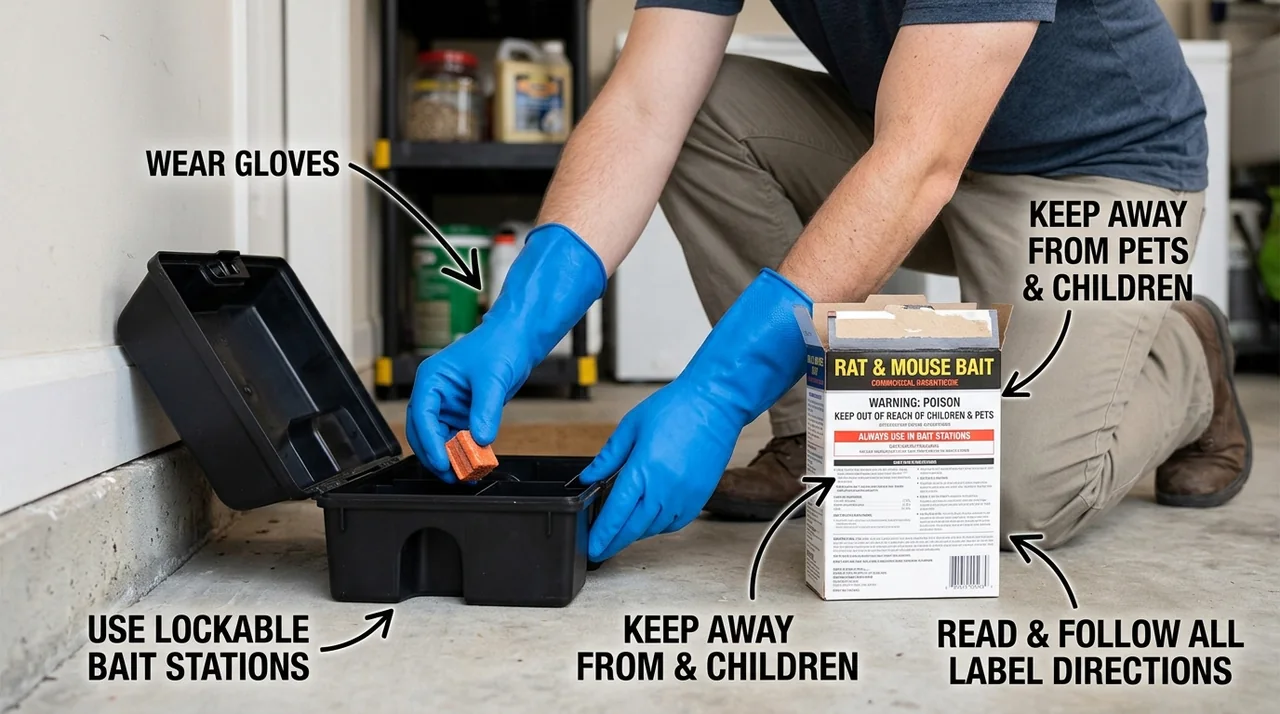
Read and follow the EPA product label exactly; it is a legal document, and using a pesticide in any way inconsistent with its labeling is a violation. The label tells you which rodent the product is for, how much to place, where placement is allowed, required use of bait stations, and how far from the structure bait may be set. Never transfer bait to an unlabeled container, never exceed labeled amounts, and never place loose bait where a child, pet, or non-target animal can reach it.
Use Tamper-Resistant Bait Stations
If you use rodenticide, place it inside a locked, tamper-resistant bait station designed so only a rodent can reach the bait. Anchor stations so they cannot be carried off, position them along rat runways and near burrows against structures, and check them per the label. This single step dramatically reduces the risk to children, pets, and wildlife while still exposing rats to the bait. Keep a written note of where each station is placed so none are forgotten and left behind when the problem is over, and inspect them on the schedule the label sets rather than leaving them unattended for long stretches.
In an Emergency
Keep the product name and EPA registration number handy in case of accidental exposure. If a child or adult ingests rodenticide, call Poison Control at 1-800-222-1222 immediately. If a pet ingests it, contact your veterinarian or an animal poison control line right away; many rodenticides have a time-sensitive antidote or treatment, so do not wait for symptoms. Store all bait sealed and locked away from living spaces.
Consider Safer Alternatives First
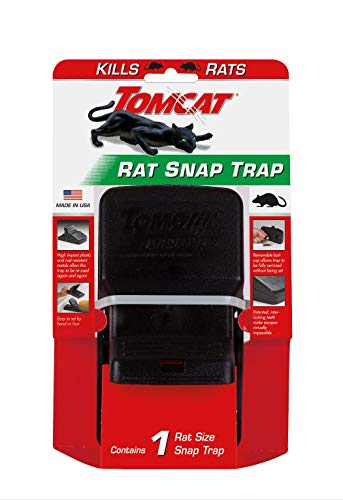
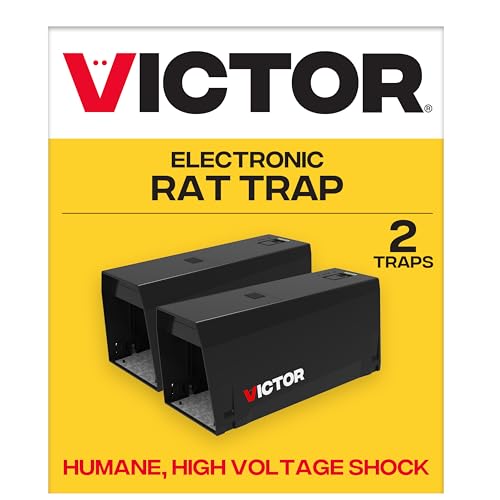
Because of the risks, many homeowners are better served by snap trapping combined with exclusion (sealing entry points) and sanitation (removing food and harborage). Traps let you confirm results and keep dead rats out of your walls. If you do use rodenticide and rats persist, or if you are worried about pets, wildlife, or dead-animal odor, a licensed pest professional can deploy rodenticides more safely, place stations correctly, and combine methods. Given the hazards involved, professional help is often the wisest route for rat poison use.