
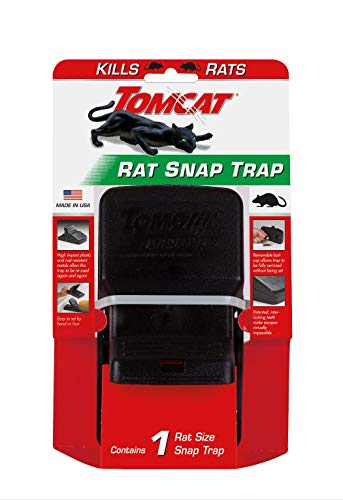

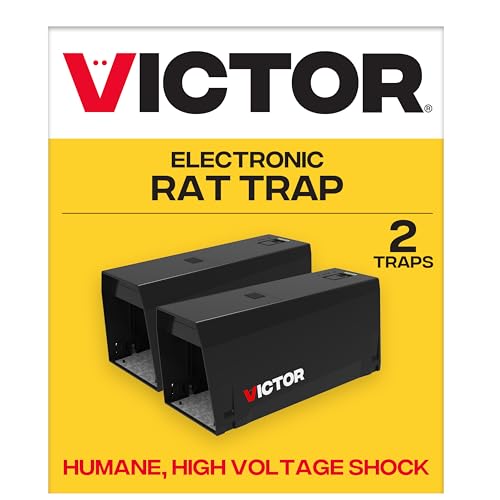
Rats are bigger, stronger, and warier than mice, so trapping them takes a slightly different approach. Rat snap traps are effective and avoid the poisoning risks that come with rodenticides, but only if you respect how cautious rats are about anything new in their environment.
Understand Rat Behavior First
Rats are intensely neophobic: they notice and avoid new objects in their territory for days. Drop a set trap on a rat runway and it may go untouched for a week simply because the trap is unfamiliar. Rats also follow established routes along walls and structural edges, and they are strong enough that a mouse trap will not reliably kill them; use traps sized and labeled for rats. Identifying whether you have roof rats (which travel high, in attics, rafters, and vines) or Norway rats (which stay low, in burrows, basements, and ground level) tells you whether to trap up high or down low.
Pre-Bait Before You Set
This is the step that separates success from frustration. For several nights, place baited traps that are not set (or bait the spot without a trap) so rats feed freely and accept the trap as a normal part of their environment. Once bait is disappearing consistently, set the traps. Skipping pre-baiting is the top reason DIY rat trapping fails.
Bait Choices
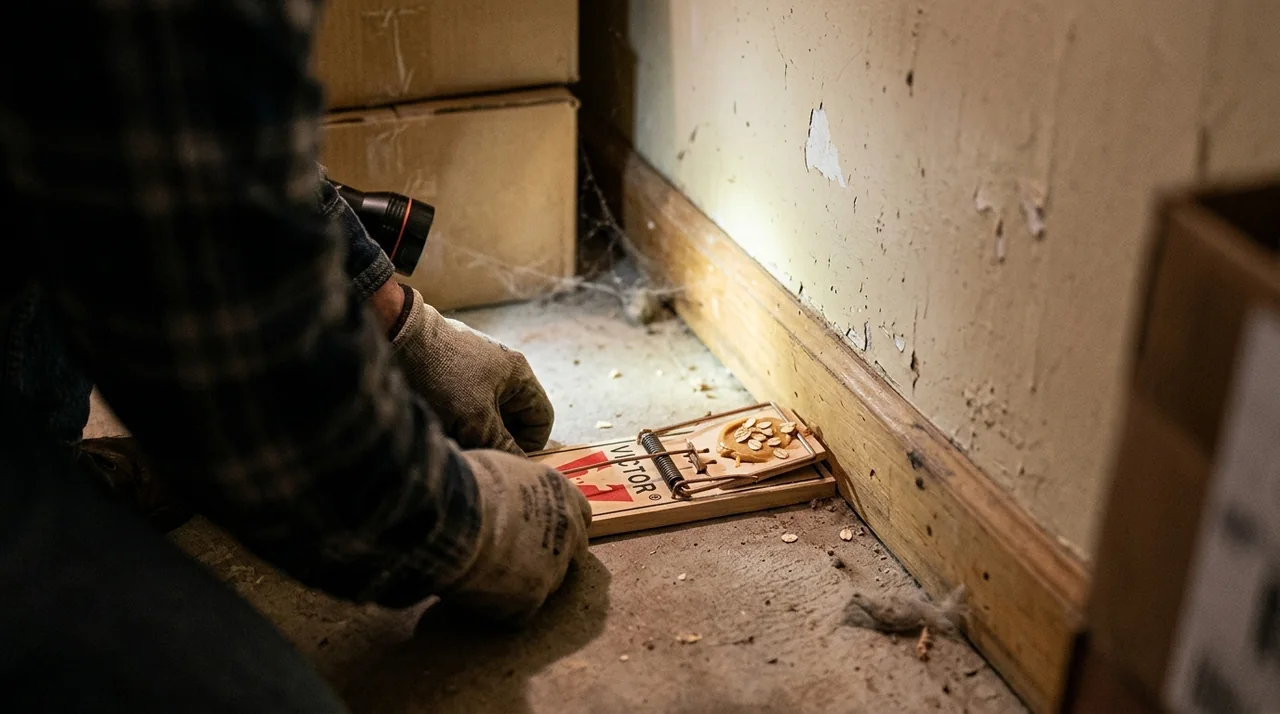
Rats are omnivores and respond to a variety of baits: peanut butter, a nut or seed, a small piece of dried fruit, or a bit of bacon. Nesting material can also attract them. Secure the bait so a rat cannot snatch it cleanly; tie or press it onto the trigger. Use a modest amount rather than a large pile.
Placement That Works
Set traps flush against walls, along runways, and at right angles to the wall with the trigger end nearest the wall, so a traveling rat passes over the trigger. Look for evidence to guide placement: droppings (much larger than a mouse's), dark rub marks along walls, gnaw marks, burrow openings outside, and runways in attics or along fences. For roof rats, place traps on elevated routes: rafters, tops of walls, along beams. For Norway rats, place them low, near burrows, along basement walls, and near the ground-level entry points.
Set several traps close together on active routes rather than a lone trap, and consider protective bait/trap stations where children, pets, or non-target wildlife could reach the traps.
Safety and Follow-Up
Wear gloves when handling traps, dead rats, droppings, and nests, since rats can carry disease and parasites. Dampen droppings and nests with disinfectant before cleanup rather than sweeping or vacuuming dry, seal carcasses in a bag, place them in an outdoor bin, and wash your hands. Reset promptly, because rats live in groups and one catch rarely means the last.
Trapping controls the rats present, but sealing entry points and removing food and harborage prevent the next wave. Rats are persistent and can indicate larger structural or sanitation issues. If you continue catching rats, find burrows, or suspect a sizable population, a licensed pest professional can assess the extent and locate sources you cannot easily see.