Pest Control in Atlanta, GA
Pest control in Atlanta, GA fights heavy spring-to-fall humidity and dense tree cover that keep termites, ants, and mosquitoes busy.
Listings below are shown for informational purposes only, using publicly available contact details. Pest Control for Home has no business relationship with the companies listed, does not vet or endorse them, and is not paid for any listing. Please confirm licensing, insurance, and pricing directly with a business before hiring.
Recommended Products


Common Pests in Atlanta, GA
The pests that drive most Atlanta-area calls — tap any to see how to identify, prevent, and control it.
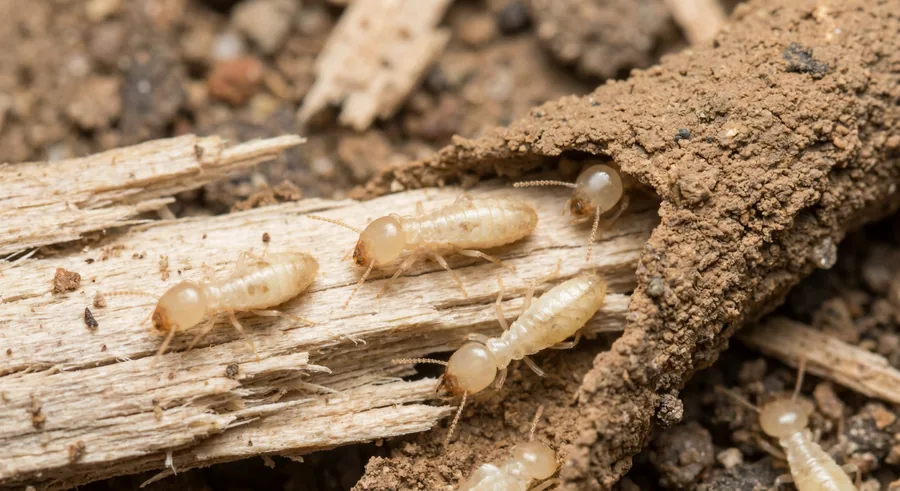
Subterranean Termite
Wooded, humid lots make subterranean termites the top structural pest in metro Atlanta.
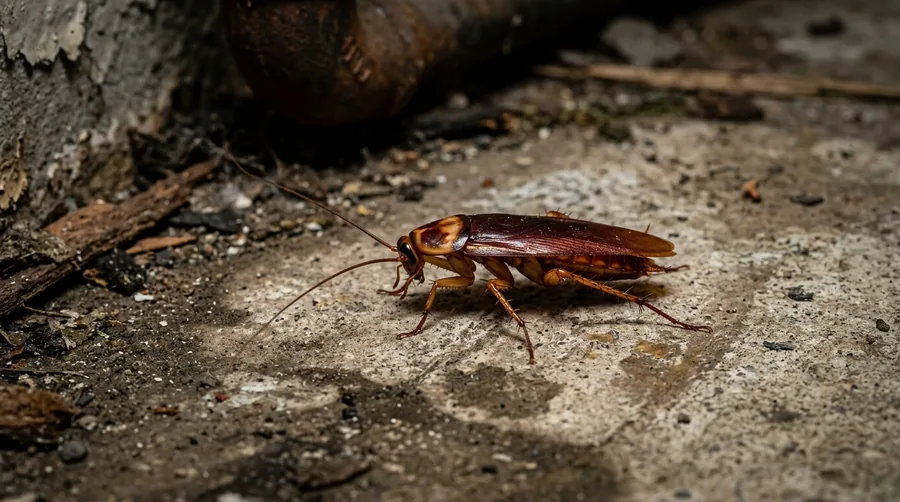
American Cockroach
“Palmetto bugs” thrive in humid crawlspaces and sewers.
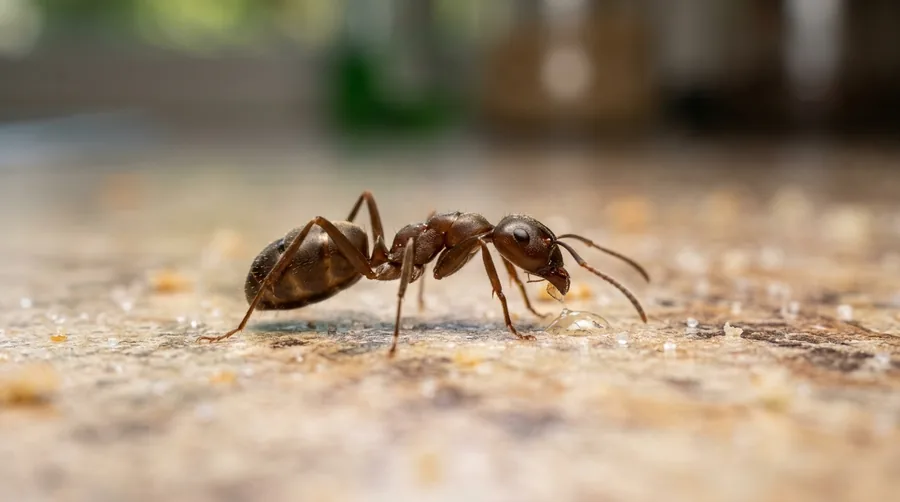
Odorous House Ant
Rain repeatedly drives these sugar-seeking ants indoors.
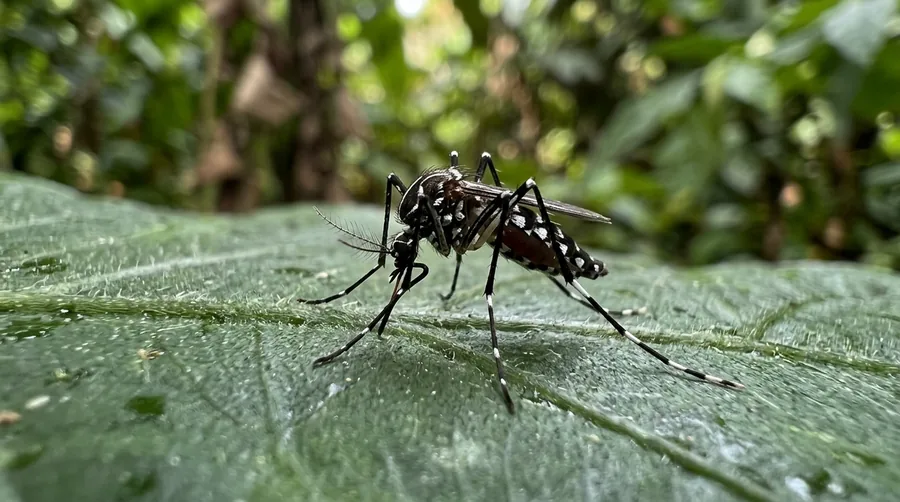
Asian Tiger Mosquito
A relentless daytime biter that breeds in shaded container water.
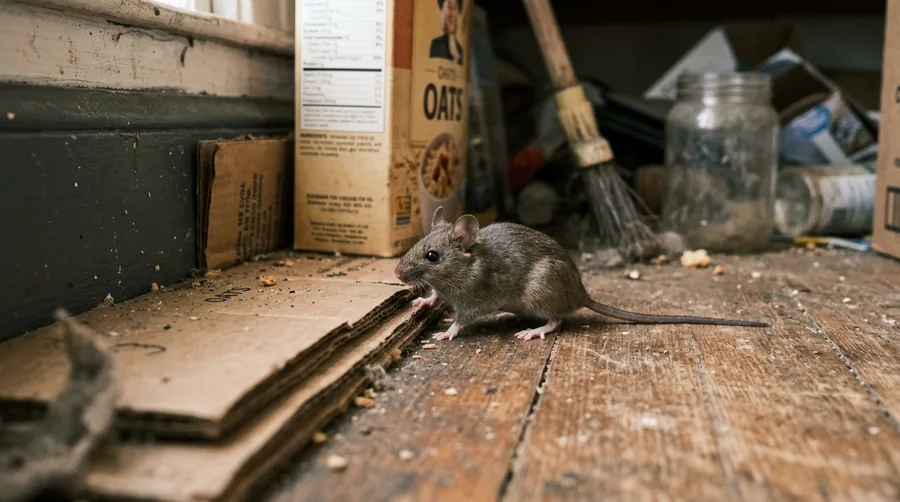
House Mouse
Cool falls push mice into attics and walls across the metro.
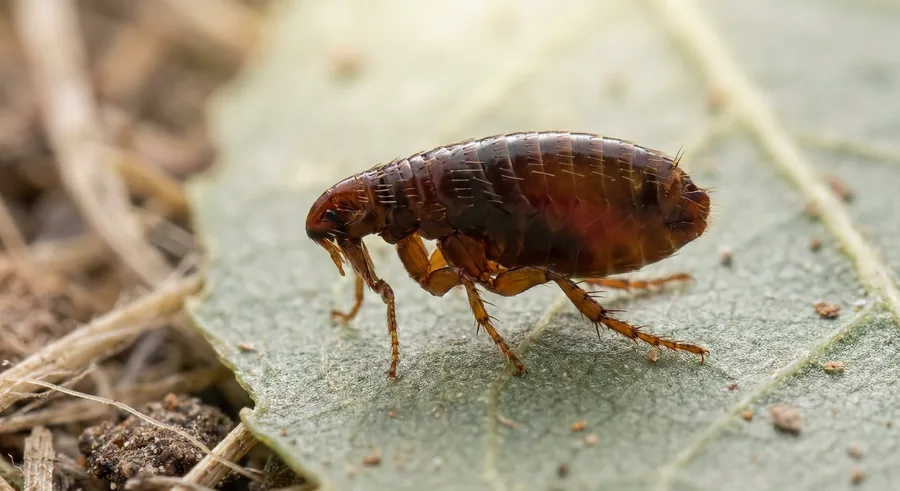
Cat Flea
Warm, humid conditions and abundant wildlife keep flea pressure high.
The Pests Atlanta Homeowners Deal With Most
Metro Atlanta's warm, wet climate and heavy tree cover set the tone for its pest problems, and subterranean termites lead the list. The region's wooded lots keep soil moist against foundations, and termites move up from the ground through cracks and expansion joints into the framing of homes across Cobb, DeKalb, and Gwinnett counties. Mud tubes along basement walls and crawl-space piers are the classic warning sign, and because so many Atlanta homes sit on wooded slopes, the pressure is nearly constant.
American cockroaches, the large roaches locals call palmetto bugs, thrive in the humid crawl spaces, sewers, and pine-straw mulch beds that surround Atlanta homes. They push indoors through crawl-space vents, basement gaps, and floor drains, especially in the older housing of intown neighborhoods like Decatur and East Atlanta.
Odorous house ants are the everyday invader. These tiny dark ants nest under mulch, stones, and slabs, and they stream indoors in trails after heavy summer rain, hunting sweets in kitchens and pantries. Crush one and it gives off a distinctive rotten-coconut smell that gives the species its name.
Asian tiger mosquitoes define summer in Atlanta. Unlike species that bite mainly at dusk, this aggressive daytime biter breeds in the smallest amounts of shaded container water such as plant saucers, bird baths, tarps, and clogged gutters, which are abundant across the metro's leafy yards. Its black-and-white striped legs are a familiar sight on shaded patios.
House mice become the fall and winter concern. As nights cool, they move into attics, garages, and wall voids through gaps around utility lines and foundation vents, nesting in insulation and gnawing stored goods. Atlanta's mix of older homes and wooded surroundings gives them plenty of entry points.
Cat fleas complete the roster. Warm humidity and abundant wildlife such as squirrels, opossums, stray cats, and deer keep flea pressure high through much of the year, and pets pick them up in the yard before the infestation spreads to carpets and bedding indoors. Together these six pests are why many Atlanta households pair an annual termite plan with quarterly service and seasonal mosquito and flea attention.
Pest Season in Atlanta, Month by Month
Winter, from December through February, is the quietest stretch. Subterranean termites stay active underground but rarely swarm, and mice are the main indoor concern as they shelter from the cold. It is a good time for rodent exclusion and attic checks.
March and April mark the turn. Warm, humid days trigger subterranean termite swarms, clouds of winged reproductives that often appear near foundations after rain. Odorous house ants become active, and the first mosquitoes emerge as standing water warms.
May through September is the busy season. Asian tiger mosquitoes bite through the day in shaded yards, ant trails spike after every summer thunderstorm, and American cockroaches are at their most visible in humid crawl spaces and basements. Flea populations build steadily through the warm, humid months, peaking in late summer.
October brings a second shift. As the first cool fronts move through, house mice begin testing foundations and garages for a way indoors, making fall the prime exclusion window. Mosquito and ant activity tapers with the cooler nights, though a warm spell can briefly revive both.
November eases toward winter, but Atlanta's mild autumns mean fleas and the occasional ant trail can linger. Sealing entry points before the first hard freeze is the most useful year-end step, since it closes the doors mice would otherwise use.
Why Atlanta Homes Are Vulnerable
Atlanta's vulnerability begins with its trees and terrain. The metro's dense canopy and rolling, wooded lots keep soil shaded and damp against foundations, which is ideal for subterranean termites and the moisture-loving ants and roaches that follow. Red Georgia clay compounds the problem: it holds water, drains slowly, and shifts enough to open gaps around slabs and basement walls.
The humid subtropical climate is the second driver. Long, warm, wet summers give mosquitoes endless breeding sites in container water and keep humidity high in crawl spaces and basements, exactly the conditions roaches and fleas need. Frequent afternoon thunderstorms repeatedly flush ants indoors and refill every saucer and gutter mosquitoes use.
Housing style matters as well. Many Atlanta homes have crawl spaces or basements that trap moisture and give pests a sheltered path toward living areas, and a large share of the housing stock is old enough to have settled, leaving small entry gaps. Wooded lots also place homes within a few feet of the wildlife that carries fleas and the leaf litter that harbors ants and roaches. The result is a landscape where food, moisture, and shelter sit close to nearly every wall, giving pests both a reason and a route to come inside.
DIY vs. Calling a Pro in Atlanta
Plenty of Atlanta pest tasks are manageable at home. You can knock back odorous house ants by wiping trails, sealing food, and treating exterior nests; you can cut mosquito breeding dramatically by emptying container water weekly and clearing gutters; and you can reduce flea pressure by treating pets, vacuuming often, and washing bedding. These steps are effective and inexpensive.
Some problems here call for a professional. Subterranean termites top the list, because Atlanta's wooded, humid lots make them a near-universal risk, and effective treatment means soil termiticide or bait systems installed correctly, not a retail spray. A persistent mouse infestation in a crawl space or attic also benefits from professional trapping and exclusion, and a flea problem that keeps rebounding despite pet treatment usually signals a yard-and-wildlife source worth a pro's assessment.
A practical rule for Atlanta homeowners is to manage seasonal ants, mosquitoes, and routine flea control yourself, and to bring in a licensed exterminator for termite protection, recurring rodents, and any infestation that returns soon after you treat it. When the structure itself is at risk, professional help is the cheaper choice over time.
What Pest Control Costs in Atlanta, Georgia
Pest control prices in Atlanta track national ranges, and a written, itemized quote is the best tool for comparing companies. A one-time treatment for a specific pest generally runs about $150 to $300, depending on the pest, the size of the home, and the extent of the property. Ongoing quarterly service, common in a climate with a long warm season, usually falls around $40 to $70 per visit, covering the perimeter, entry points, and common harborage.
Termite protection is a separate, larger line item. Because termite coverage is nearly universal on Atlanta homes, many households budget for an annual termite plan on top of general pest service, and the initial treatment, whether liquid termiticide or a bait-station system, costs more than routine visits. Specialty work such as heavy rodent exclusion, flea remediation, or a dedicated mosquito-reduction program also sits outside a standard quarterly plan.
Ask any Atlanta exterminator for a quote in writing that names the target pests, the treatment method, the number of visits, and what is included versus extra. Termite and general pest service are often quoted separately, so make sure you understand which is which before you sign.
How to Choose a Licensed Exterminator in Atlanta, Georgia
In Georgia, structural pest control is regulated by the Georgia Department of Agriculture through its Structural Pest Division, and any company treating your home should be licensed with it. Before hiring, look the company up through the department's structural pest control search instead of relying on advertising or a truck logo.
Ask the right questions up front. Confirm that the business carries liability insurance, find out whether the technician doing the work is licensed, and ask exactly which product and method they will use for your termites, ants, or rodents. A reputable Atlanta exterminator will walk you through the plan, the warranty, and the schedule without pressure.
Collect two or three written estimates so you are comparing scope rather than a single headline price, which matters especially for termite work, where methods and warranties vary. Watch for red flags: aggressive same-day sales tactics, bids far below everyone else, no written contract, or evasive answers about licensing and coverage.
Our listings link straight to Georgia's state license lookup so you can verify any company yourself before you schedule service. A few minutes of checking is the simplest protection against unlicensed or uninsured work.
10 Pest Control Companies in Atlanta, GA
Listed from public business data — owner-verified profiles with a published phone number. Contact any of them directly; we don't take your details or route your call.
- 1
Quick Pest Los Angeles Service
731 Peachtree Rd NE, Atlanta, GA 30308
Public listing only — not an endorsement, referral, or paid placement. Confirm details directly with the business.
- 2
A1 Bed Bug Exterminator Atlanta
210 Pryor St SW, Atlanta, GA 30303
Public listing only — not an endorsement, referral, or paid placement. Confirm details directly with the business.
- 3
Atlanta Pest Control service
148 Edgewood Ave SE, Atlanta, GA 30303
Public listing only — not an endorsement, referral, or paid placement. Confirm details directly with the business.
- 4
Pest Control Atlanta GA
774 N Highland Ave NE, Atlanta, GA 30306
Public listing only — not an endorsement, referral, or paid placement. Confirm details directly with the business.
- 5
Pest USA
Peachtree St NW Suite A100-214, Atlanta, GA 30303
Public listing only — not an endorsement, referral, or paid placement. Confirm details directly with the business.
- 6
Arrow Exterminators
1400 Marietta Blvd NW Ste B, Atlanta, GA 30318
Public listing only — not an endorsement, referral, or paid placement. Confirm details directly with the business.
- 7
RIDD Pest Control
1231 Collier Rd NW Ste G, Atlanta, GA 30318
Public listing only — not an endorsement, referral, or paid placement. Confirm details directly with the business.
- 8
Rodent Removal Atlanta, LLC
1101 Juniper St NE Suite #1029, Atlanta, GA 30309
Public listing only — not an endorsement, referral, or paid placement. Confirm details directly with the business.
- 9
Hawx Pest Control
3201 Atlanta Industrial Pkwy NW Ste 303, Atlanta, GA 30331
Public listing only — not an endorsement, referral, or paid placement. Confirm details directly with the business.
- 10
Orkin
2170 Piedmont Rd NE, Atlanta, GA 30324
Public listing only — not an endorsement, referral, or paid placement. Confirm details directly with the business.
Listing data sourced from public business listings, as of September 1, 2026. Ratings are the businesses' publicly displayed customer ratings on the date shown and may have changed since. Request a correction or removal.
Pest Control in Atlanta, GA — FAQ
What are the most common pests in Atlanta, Georgia?
Atlanta homeowners most often deal with subterranean termites, American cockroaches (often called palmetto bugs), odorous house ants, Asian tiger mosquitoes, house mice, and cat fleas. Termites are the leading structural threat because of the metro's wooded, humid lots; ants and mosquitoes spike through the warm, wet summer; mice move indoors in fall; and fleas persist much of the year thanks to abundant wildlife. Your top pests will vary with your home's age, whether it has a crawl space or basement, and how wooded your lot is.
Who is the best pest exterminator in Atlanta?
Pest Control for Home does not rank or endorse any company as the best, and we take no payment from pest control businesses. The honest answer is that the right exterminator depends on your pest, your home, and your budget. To find a good one, verify the company's license with the Georgia Department of Agriculture's Structural Pest Division, read recent reviews from local customers, confirm the business is insured, and get two or three written quotes to compare scope and price. Our listings provide license-lookup links so you can check any Atlanta company yourself.
How much does pest control cost in Atlanta?
Prices follow national ranges. A one-time treatment usually costs about $150 to $300, while ongoing quarterly service typically runs around $40 to $70 per visit. Termite protection is quoted separately and costs more because of the specialized treatment involved, and many Atlanta homes carry an annual termite plan. Your final price depends on the pest, your home's size, and how much of the property needs coverage, so request a written, itemized quote first.
Why do so many Atlanta homes have termite plans?
Metro Atlanta's combination of heavy tree cover, humid air, and moisture-holding red clay keeps soil damp against foundations, which is ideal habitat for subterranean termites. Because the risk is so widespread, termite protection is nearly standard on local homes, and many households keep an annual termite agreement that includes monitoring and re-treatment if activity appears. Whether you need one depends on your home's construction and history, but given the regional pressure, a licensed termite inspection is a sensible starting point.
How do I control Asian tiger mosquitoes in my Atlanta yard?
Asian tiger mosquitoes bite during the day and breed in very small amounts of shaded, standing water, so yard habits matter more than anything. Empty and scrub plant saucers, bird baths, buckets, and tarps at least weekly, keep gutters clear, and change pet water bowls often. Because they rarely travel far, most of the mosquitoes biting you are breeding on or near your own property, so eliminating container water usually brings noticeable relief. For persistent problems, a licensed company can treat shaded resting areas.
When do mice come indoors in Atlanta?
House mice typically move indoors in the fall, from about October onward, as nights cool and they seek warmth and food. In Atlanta they enter through gaps around utility lines, foundation vents, garage doors, and crawl-space openings, then nest in attics, wall voids, and insulation. The most effective response is exclusion, meaning sealing entry points before winter, combined with trapping if they are already inside. Fall is the key window, so late summer is a good time to inspect and close up gaps.


