Pest Control in Miami, FL
Pest control in Miami, FL is a year-round job in a true tropical climate where warmth and humidity never let pests slow down.
Listings below are shown for informational purposes only, using publicly available contact details. Pest Control for Home has no business relationship with the companies listed, does not vet or endorse them, and is not paid for any listing. Please confirm licensing, insurance, and pricing directly with a business before hiring.
Recommended Products


Common Pests in Miami, FL
The pests that drive most Miami-area calls — tap any to see how to identify, prevent, and control it.
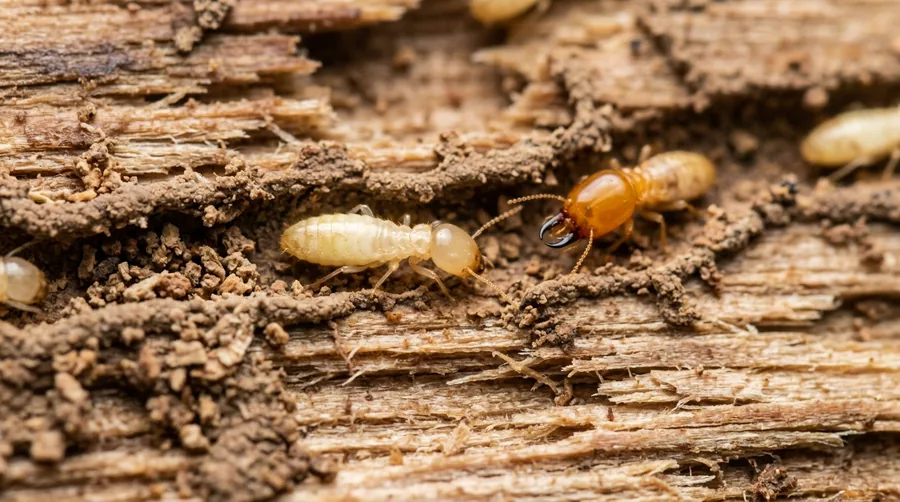
Formosan Subterranean Termite
South Florida is a stronghold for this destructive invasive termite.
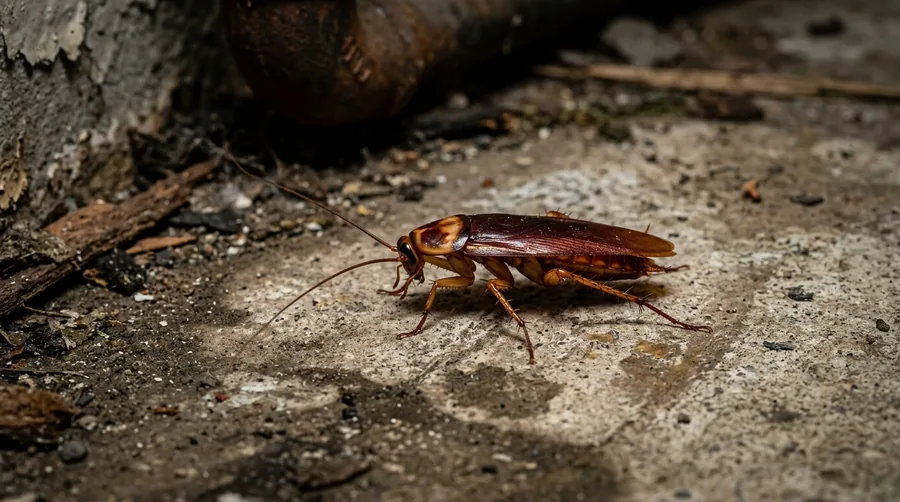
American Cockroach
Large “palmetto bugs” are active every month in the tropical humidity.
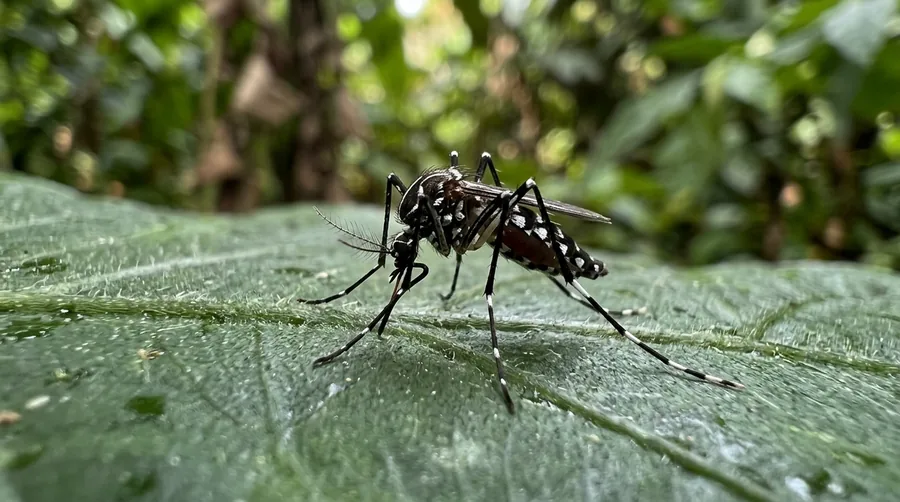
Asian Tiger Mosquito
Container-breeding Aedes mosquito linked to Zika and dengue risk.
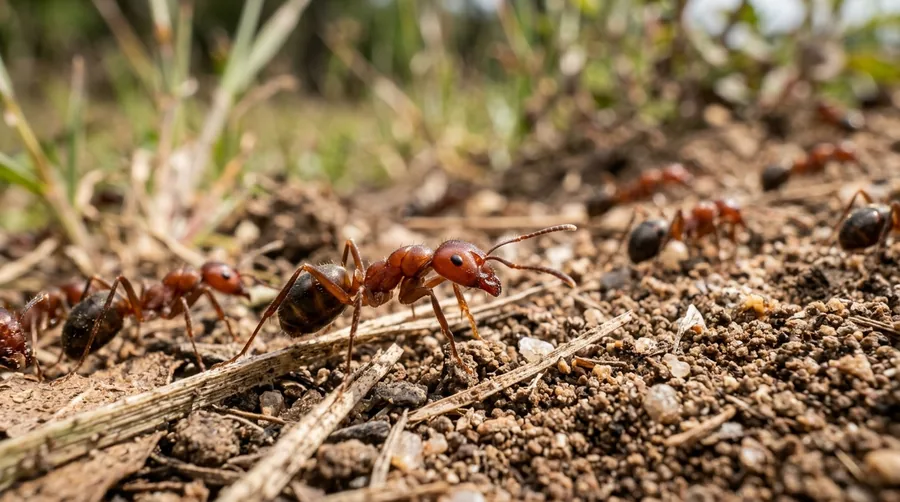
Red Imported Fire Ant
Stinging mounds dominate South Florida yards and swales.
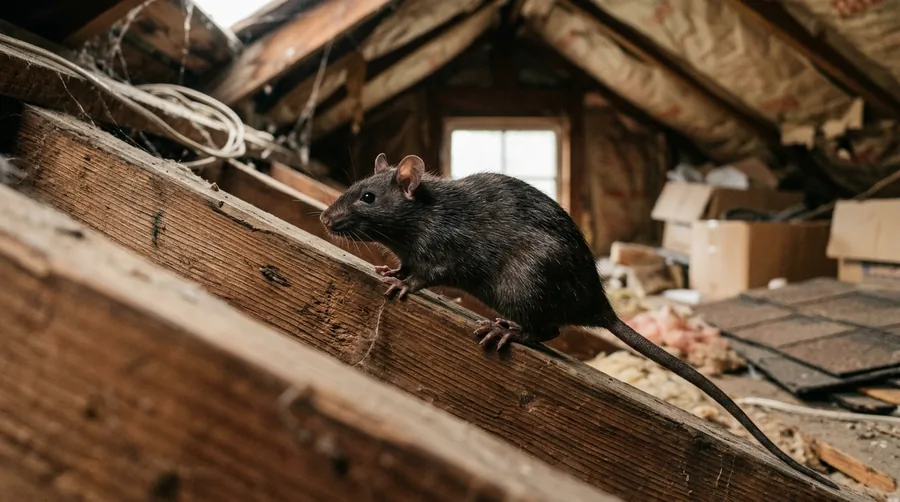
Roof Rat
Thrives in attics, palms, and lush landscaping across the metro.
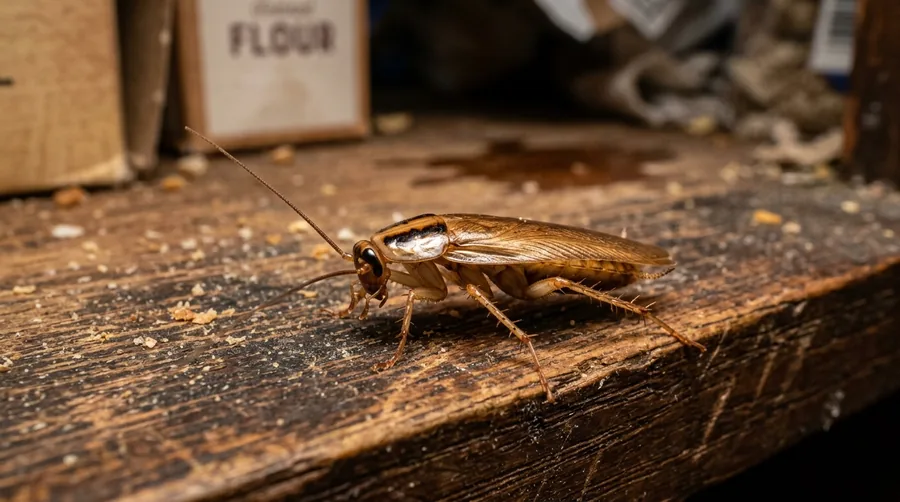
German Cockroach
A persistent indoor kitchen-and-bath roach in the region's apartments.
The Pests Miami Homeowners Deal With Most
Miami's true tropical climate means pests never get a winter break, and the Formosan subterranean termite is the most serious of the bunch. South Florida is a stronghold for this aggressive invasive species, which builds huge underground colonies and can damage wood far faster than native termites. In Miami's older neighborhoods and along the coast, Formosan termites attack framing, trees, and even utility poles, and their spring-to-summer swarms of winged reproductives around lights are a familiar sight.
American cockroaches, the large palmetto bugs residents know well, are active every single month in the humidity. They breed in sewers, storm drains, mulch, and dense landscaping, then move indoors through drains, garage gaps, and openings around plumbing, particularly in ground-floor units and homes near canals.
German cockroaches are a different, indoor problem. Smaller and faster-breeding, they live inside kitchens and bathrooms, spreading between units in Miami's many apartment and condo buildings through shared walls and plumbing. Once established, they are among the hardest household pests to clear without professional help.
Asian tiger mosquitoes bite aggressively during the day and breed in the smallest containers of standing water such as bromeliads, plant saucers, tarps, and clogged gutters, which are everywhere in Miami's lush yards. This container-breeding Aedes mosquito is the species tied to local Zika and dengue transmission risk, which makes reducing standing water a public-health habit, not just a comfort one.
Red imported fire ants dominate yards, swales, and green spaces across Miami-Dade. Their mounds rebuild quickly after South Florida's heavy rains and flooding, and a disturbed mound sends stinging workers boiling out, a hazard for children and pets.
Roof rats are the signature rodent. They thrive in Miami's dense tropical landscaping, climbing palms, fruit trees, and utility lines to enter attics through roofline gaps and soffit vents. Fruit trees and lush plantings give them abundant food, and once in the attic they nest in insulation and gnaw wiring. Together these six pests are why nearly every Miami home relies on continuous prevention rather than one-off treatments.
Pest Season in Miami, Month by Month
Miami has no true off-season, but activity still shifts through the year. January and February are the mildest and driest months, and while termites, roaches, and rats stay active, the drier air slightly slows mosquito breeding, making it a good window to inspect attics and reduce roof-rat harborage.
March through May brings the dry-to-wet transition and the year's main termite swarms. Formosan and native subterranean termites send out winged reproductives, often at dusk around lights, and fire ant activity climbs with the warming soil.
The wet season, roughly May through October, is peak pest time. Daily afternoon storms leave standing water that fuels heavy Asian tiger mosquito breeding, fire ant mounds surge and rebuild after flooding, and American cockroaches are relentless in the humidity. German cockroach problems indoors run year-round but are compounded when doors and windows open to the heat.
Hurricane season overlaps the wet months, and storms make things worse: flooding drives roof rats and roaches to higher, drier ground indoors, and pooled water breeds mosquitoes for weeks afterward.
November and December cool only slightly. Pests remain active into the holidays, so Miami's calendar is less about a seasonal shutdown and more about which pressures rise. Continuous, year-round prevention is the norm precisely because there is no reliable cold stretch to knock populations back.
Why Miami Homes Are Vulnerable
Miami's greatest vulnerability is its climate. A genuinely tropical setting means warmth and humidity persist all twelve months, so pests that would die back in a northern winter simply keep breeding here. There is no cold season to reset populations, which is why continuous prevention is standard rather than optional.
Water is the second factor. The wet-season storms, high water table, canals, and coastal humidity give mosquitoes endless breeding sites and keep soil moist for termites and ants. Sandy, porous soils drain quickly but stay damp near foundations, and the same high water table that shapes South Florida living keeps the ground hospitable to subterranean termites.
Housing and landscaping complete the picture. Miami's dense tropical plantings, including palms, fruit trees, bromeliads, and thick hedges, sit close to homes, handing roof rats a climbing route and holding the container water mosquitoes need. Concrete-block construction resists some pests but still offers gaps at rooflines, plumbing, and slab joints, and the metro's many attached condos and apartments let German cockroaches and rodents travel between units. Add abundant year-round food from gardens and wildlife, and most Miami properties give pests everything they need within arm's reach of the walls, all year long.
DIY vs. Calling a Pro in Miami
Some Miami pest work suits a motivated homeowner. Cutting mosquito breeding is largely a do-it-yourself job, since emptying bromeliads, saucers, and containers and clearing gutters after every storm removes most breeding sites; you can also reduce fire ant mounds with yard bait and keep palmetto bugs in check by sealing gaps and fixing leaks. These habits matter in a climate where breeding never stops.
Other problems here strongly favor a professional. Formosan termites are the clearest example, because their colonies are large and fast, and effective treatment means soil termiticide or bait systems and often a licensed inspection rather than a retail product. German cockroaches are the second, since they breed quickly, resist over-the-counter sprays, and usually require a professional's targeted baiting to eliminate, especially in shared condo walls. A heavy roof-rat infestation in the attic likewise needs proper trapping and exclusion.
For most Miami homeowners, the sensible split is to own the routine mosquito, ant, and roach-prevention work and to hire a licensed exterminator for termites, German cockroaches, and rodents in the structure. Given the year-round pressure, many households simply keep an ongoing service plan rather than reacting problem by problem.
What Pest Control Costs in Miami, Florida
Pest control in Miami follows national pricing ranges, and asking for an itemized quote in writing is the best way to compare companies fairly. A one-time treatment for a specific pest generally runs about $150 to $300, depending on the pest, the home's size, and how much of the property needs coverage. Because Miami's tropical pressure never lets up, most homes run continuous service, and quarterly or bi-monthly visits commonly fall around $40 to $70 per visit.
Termite work is separate and higher. Formosan termite treatment is a significant investment given the size of the colonies and the labor involved, and many South Florida homes carry annual termite protection on top of general pest service. Specialty jobs such as German cockroach cleanouts in condos, roof-rat exclusion, or dedicated mosquito programs also fall outside a standard plan and are quoted on their own.
Before committing, ask any Miami exterminator for a written, itemized quote listing the target pests, the method, the visit frequency, and what is and is not included. In a market where year-round contracts are common, understanding exactly what your plan covers protects you from paying extra for work you assumed was already part of the deal.
How to Choose a Licensed Exterminator in Miami, Florida
In Florida, pest control is licensed through the Florida Department of Agriculture and Consumer Services, known as FDACS, and any company treating your Miami home should hold a current FDACS pest control license. Before hiring, verify the business through FDACS rather than trusting a website claim or a truck wrap.
Ask focused questions. Confirm the company carries liability insurance, ask whether the technician on site is licensed, and request the exact product and method they will use, which matters especially for Formosan termites and German cockroaches, where the wrong approach wastes money. A reputable Miami exterminator will explain the treatment, the warranty, and the visit schedule clearly and in writing.
Because so many Miami homes use ongoing contracts, gather two or three written quotes and compare what each plan actually covers, not just the monthly figure. Watch for red flags: high-pressure pitches to sign immediately, quotes far below competitors, no written agreement, or vague answers about licensing and insurance.
Our listings link directly to the FDACS license lookup so you can confirm any company yourself before scheduling. In a year-round pest climate, verifying licensing and insurance up front is a small step that prevents costly problems later.
10 Pest Control Companies in Miami, FL
Listed from public business data — owner-verified profiles with a published phone number. Contact any of them directly; we don't take your details or route your call.
- 1
PestGuard Solutions
1411 S Miami Ave, Miami, FL 33131
Public listing only — not an endorsement, referral, or paid placement. Confirm details directly with the business.
- 2
Total Pest control Miami
701 S Miami Ave, Miami, FL 33131
Public listing only — not an endorsement, referral, or paid placement. Confirm details directly with the business.
- 3
Pest Control Miami Exterminator
100 E Flagler St, Miami, FL 33131
Public listing only — not an endorsement, referral, or paid placement. Confirm details directly with the business.
- 4
Best Florida Pest Control
2507 NW 16th St Rd Ste 334, Miami, FL 33125
Public listing only — not an endorsement, referral, or paid placement. Confirm details directly with the business.
- 5
Miami Pest Solutions
502 SW 13th Ave, Miami, FL 33135
Public listing only — not an endorsement, referral, or paid placement. Confirm details directly with the business.
- 6
Amco Pest Services, Inc. South Florida
801 Brickell Bay Dr Apt 1565, Miami, FL 33131
Public listing only — not an endorsement, referral, or paid placement. Confirm details directly with the business.
- 7
Truly Nolen Pest & Termite Control
300 NE 75th St #103, Miami, FL 33138
Public listing only — not an endorsement, referral, or paid placement. Confirm details directly with the business.
- 8
Kairos pest control
770 Ponce de Leon Blvd #102, Coral Gables, FL 33134
Public listing only — not an endorsement, referral, or paid placement. Confirm details directly with the business.
- 9
Atek Pest Control Inc
931 NW 41st Ave, Miami, FL 33126
Public listing only — not an endorsement, referral, or paid placement. Confirm details directly with the business.
- 10
Pest Control Experts
1930 NW 36th Ave, Miami, FL 33125
Public listing only — not an endorsement, referral, or paid placement. Confirm details directly with the business.
Listing data sourced from public business listings, as of September 1, 2026. Ratings are the businesses' publicly displayed customer ratings on the date shown and may have changed since. Request a correction or removal.
Pest Control in Miami, FL — FAQ
What are the most common pests in Miami, Florida?
Miami homeowners most often deal with Formosan subterranean termites, American cockroaches (palmetto bugs), German cockroaches, Asian tiger mosquitoes, red imported fire ants, and roof rats. In the tropical climate these pests stay active all year: Formosan termites are the top structural threat, palmetto bugs and mosquitoes thrive in the humidity, German roaches spread indoors through condos and apartments, and roof rats climb the dense landscaping into attics. Which ones you face most depends on your neighborhood, your landscaping, and whether you live in a single-family home or a multi-unit building.
Who is the best pest exterminator in Miami?
Pest Control for Home does not rank, endorse, or crown any company as the best, and we accept no payment from pest control businesses. There is no single best exterminator, because the right choice depends on your pest, your home, and your budget. The reliable way to find a good one is to verify the company's license through the Florida Department of Agriculture and Consumer Services (FDACS), read recent reviews from local customers, confirm the business is insured, and get two or three written quotes to compare. Our listings include license-lookup links so you can check any Miami company yourself.
How much does pest control cost in Miami?
Costs follow national ranges. A one-time treatment usually runs about $150 to $300, and ongoing quarterly or bi-monthly service is commonly around $40 to $70 per visit, and continuous service is the norm here because pests stay active year-round. Termite treatment is priced separately and costs more because of the specialized work involved. Your final price depends on the pest, your home's size, and the coverage needed, so ask for a written, itemized quote before signing.
Are Formosan termites really that dangerous in Miami?
Formosan subterranean termites are a serious concern in South Florida because they form very large colonies and consume wood faster than native termite species, which means damage can accumulate quickly. Miami is one of their US strongholds. They swarm around lights in spring and early summer and attack structural wood and trees. Because of the speed and scale of potential damage, many local homes keep annual termite protection and schedule regular inspections. If you see swarmers or mud tubes, arranging a licensed inspection promptly is the wise move.
Why do I have mosquitoes even though I don't have standing water?
Asian tiger mosquitoes breed in remarkably small amounts of water, so sources are easy to miss. In Miami, bromeliads and other tropical plants hold water in their leaves, and saucers, tarps, bottle caps, clogged gutters, and plant-pot trays all collect enough for larvae. Because these mosquitoes rarely travel far, most biting you are breeding within your own yard or a neighbor's. Empty or flush anything that holds water at least weekly, including plant leaves that pool water, to see the biggest reduction.
Do I need year-round pest control in Miami?
Many Miami homeowners choose continuous service because the tropical climate gives pests no off-season, as termites, roaches, mosquitoes, ants, and rodents all stay active through the year. One-time treatments can solve a specific problem, but they do not prevent the next wave in a climate this consistently warm and humid. Whether year-round service is right for you depends on your home and pest history, but ongoing quarterly or bi-monthly plans are the regional norm precisely because there is no winter to knock populations back.


