Pest Control in Jacksonville, FL
Pest control in Jacksonville, FL works against North Florida humidity and a long warm season that sustains termites, roaches, and mosquitoes.
Listings below are shown for informational purposes only, using publicly available contact details. Pest Control for Home has no business relationship with the companies listed, does not vet or endorse them, and is not paid for any listing. Please confirm licensing, insurance, and pricing directly with a business before hiring.
Recommended Products


Common Pests in Jacksonville, FL
The pests that drive most Jacksonville-area calls — tap any to see how to identify, prevent, and control it.
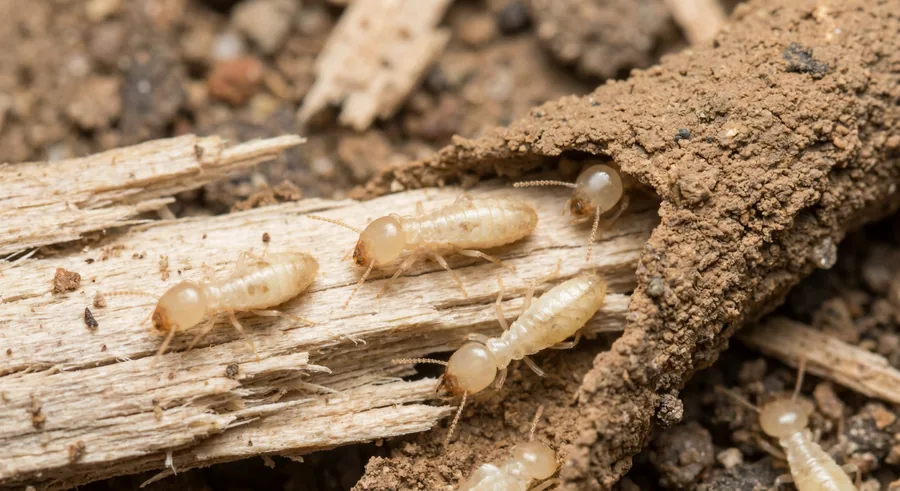
Subterranean Termite
Sandy North Florida soils and humidity make termites a persistent threat.
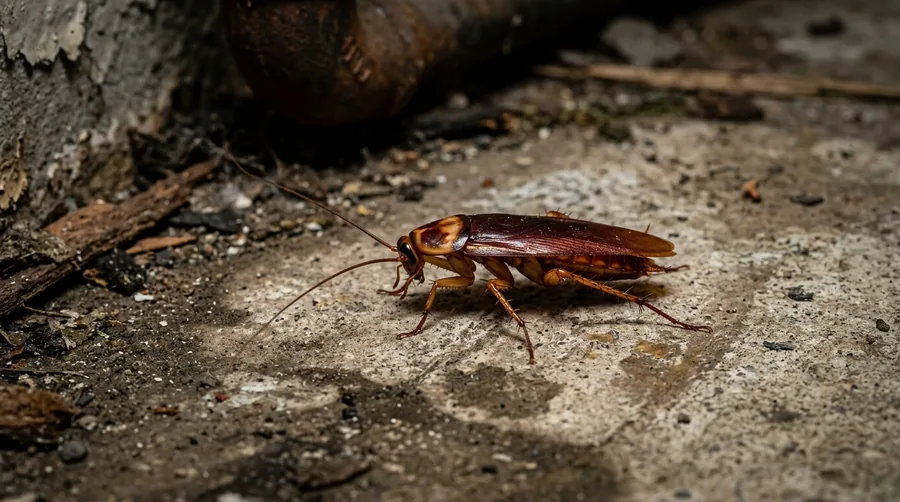
American Cockroach
Humid drains and crawlspaces keep large roaches active most of the year.
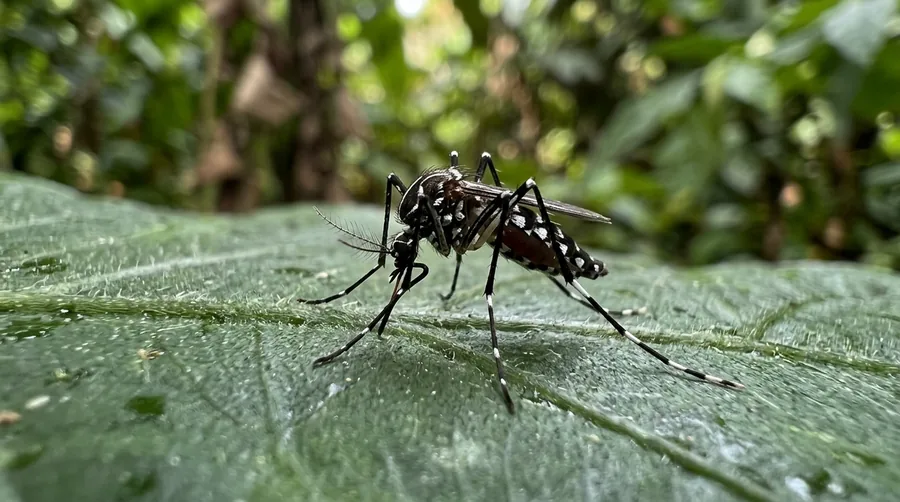
Asian Tiger Mosquito
River and marsh water breed aggressive daytime-biting mosquitoes.
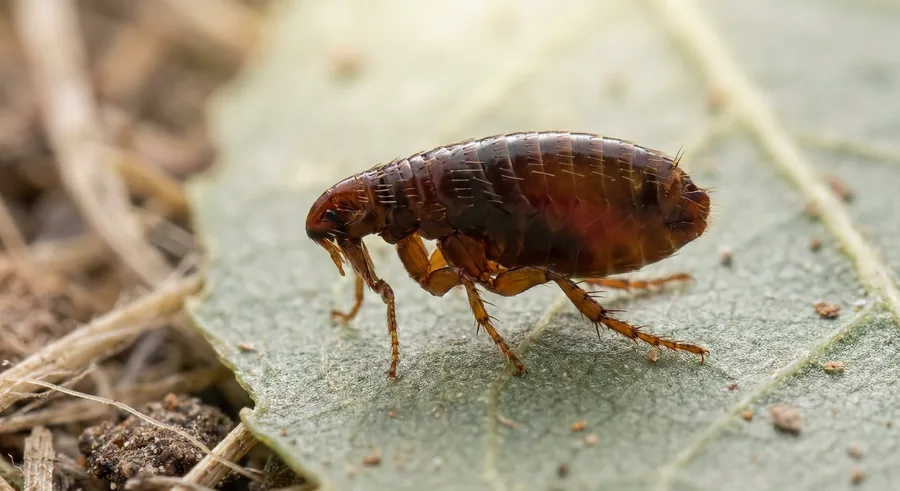
Cat Flea
Warm, humid conditions and wildlife sustain strong flea pressure.
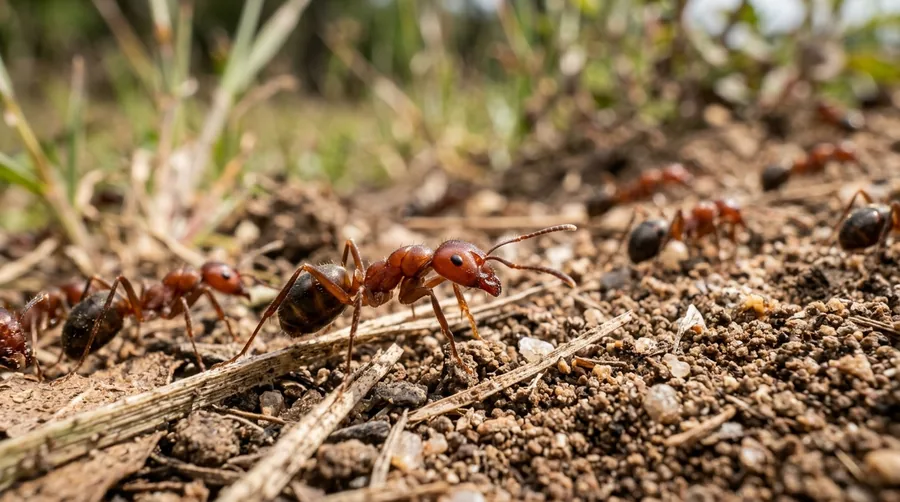
Red Imported Fire Ant
Stinging mounds are common across the region's sandy yards.
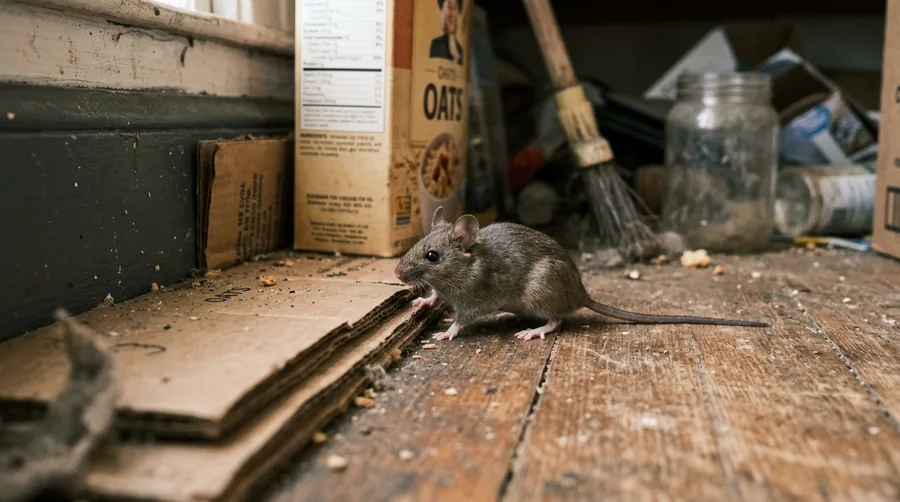
House Mouse
Fall cool-downs push mice into homes across the metro.
The Pests Jacksonville Homeowners Deal With Most
Jacksonville sprawls across sandy soils along the St. Johns River and its tidal marshes, and that river-and-marsh geography shapes the local pest lineup. Subterranean termites are the leading structural threat. North Florida's sandy, moisture-rich ground and humid air give these colonies easy access to foundations, and they exploit both slab homes and the raised crawlspace houses common in older districts like Riverside and Avondale, entering through mud tubes along piers and foundation walls.
American cockroaches thrive in Jacksonville's humid crawlspaces, storm drains, and sewer lines, emerging through garages, utility penetrations, and floor drains. In the city's many historic wood-frame homes, damp crawlspaces are a favorite harborage.
Asian tiger mosquitoes are the metro's defining biting pest. Unlike marsh mosquitoes that swarm at dusk, tiger mosquitoes are aggressive daytime biters that breed in tiny containers -- bottle caps, tarps, plant saucers, and clogged gutters -- as well as the standing water left behind by summer storms and river flooding. The tidal marshes and the St. Johns corridor add saltmarsh species to the mix.
Cat fleas are a persistent problem in this warm, humid climate, sustained by abundant wildlife -- raccoons, opossums, stray cats, and deer -- that seed yards with eggs. Pets pick them up outdoors, and infestations build quickly in carpet and bedding indoors.
Red imported fire ants blanket the region's sandy yards, sending up mounds in lawns, along driveways, and near sidewalks, especially after rain. Their stings make barefoot summer yards a hazard.
House mice complete the list. Jacksonville's winters are mild but real, with occasional frosts, and as nights cool in fall, mice push indoors through gaps around utility lines, garage doors, and foundation vents, nesting in walls, pantries, and attics.
Pest Season in Jacksonville, Month by Month
Jacksonville sees a longer active season than states to the north, but its real winters do create a rhythm.
December through February is the slowest period. Occasional frosts and cool nights quiet outdoor pests, though roaches remain active in crawlspaces and mice that moved in during fall stay put in warm walls and attics.
March through May opens termite swarm season. Warm, humid evenings after rain trigger subterranean termite swarms, and fire ants and fleas ramp back up as the ground warms.
June through September is peak pressure. Afternoon thunderstorms and periodic river flooding leave standing water that fuels Asian tiger and saltmarsh mosquito breeding, fire ants surge, flea populations peak in the heat and humidity, and American cockroaches are at their busiest.
October and November bring the season's key transition. Mosquito and ant activity eases as rains taper, but the first cool snaps drive house mice indoors, making autumn the prime window for rodent exclusion and sealing gaps before winter.
Why Jacksonville Homes Are Vulnerable
Jacksonville's vulnerability starts with geography. The city wraps around the St. Johns River and an extensive network of tidal salt marshes and creeks, so standing and slow-moving water is never far away -- ideal for mosquito breeding and the humidity pests depend on. Sandy North Florida soils drain quickly but stay moist near the surface, giving subterranean termites and fire ants underground room to work.
The housing stock adds risk. Historic neighborhoods are full of raised wood-frame homes over ventilated crawlspaces, which trap moisture and give termites, roaches, and rodents sheltered harborage. Newer subdivisions on slabs face their own termite exposure through cracks and plumbing penetrations.
Jacksonville's climate is milder than South Florida's, with occasional winter freezes, but those cold snaps are brief and rarely deep enough to collapse pest populations -- they mostly just drive mice and roaches indoors. Add abundant wildlife across the metro's green, wooded lots, and flea and rodent pressure stays high nearly year-round.
DIY vs. Calling a Pro in Jacksonville
In Jacksonville, homeowners can handle a fair amount of prevention themselves. Draining containers after storms, screening crawlspace and foundation vents, treating pets with veterinarian-recommended flea control, sealing rodent entry points before fall, and knocking down individual fire ant mounds are all reasonable DIY tasks.
Some problems call for a professional. Subterranean termites require licensed treatment and specialized equipment; a crawlspace infestation can spread unseen and is not something to tackle with over-the-counter products. Heavy flea infestations that have moved into carpet and upholstery, recurring American cockroach activity from the crawlspace, and mouse colonies established in walls or the attic usually need professional treatment and exclusion. Mosquito problems that persist after you have removed standing water are another good reason to bring in a licensed service for source reduction and yard treatment. Given how many Jacksonville homes sit over crawlspaces, a pro who inspects moisture and entry points often finds sources a surface treatment would miss.
What Pest Control Costs in Jacksonville, Florida
Pest control costs in Jacksonville track national ranges. A one-time treatment for a particular pest generally runs about $150 to $300, while ongoing quarterly service typically costs around $40 to $70 per visit -- the common choice here, since mild winters and long pest seasons make year-round prevention worthwhile.
Termite work is quoted separately and costs more. An initial subterranean termite treatment, whether a liquid barrier or a bait system, often runs into four figures depending on the home's size and whether it sits on a slab or crawlspace, and many owners then carry an annual renewal. Flea treatments, mosquito programs, and rodent exclusion are additional services with their own pricing.
Whatever you are quoted, insist on a written, itemized estimate that lists the pests covered, the method, the number of visits, and the guarantee. That is the only way to compare Jacksonville companies fairly, since a low headline price sometimes leaves out re-treatment or excludes termites entirely.
How to Choose a Licensed Exterminator in Jacksonville, Florida
Florida licenses pest control operators through the Florida Department of Agriculture and Consumer Services (FDACS) -- Pest Control, and its Jacksonville-area providers are no exception. Confirm any company holds a current license before hiring, and remember that termite and other wood-destroying-organism work requires specific structural certification on top of a general household pest license. You can check a company's standing with FDACS at https://www.fdacs.gov/Business-Services/Pest-Control.
Ask for the license number, current liability insurance, and a written scope of work. Useful questions: what products are applied, whether service is guaranteed with free re-treatment, how crawlspace access and moisture will be handled, and who does the actual application. Collect two or three written quotes so you are comparing coverage, not just price.
Be wary of red flags -- unsolicited door-to-door pitches, cash-only demands, no verifiable license, refusal to provide a written estimate, or alarm about termite damage before anyone has inspected your crawlspace. A trustworthy Jacksonville exterminator inspects first and documents everything.
10 Pest Control Companies in Jacksonville, FL
Listed from public business data — owner-verified profiles with a published phone number. Contact any of them directly; we don't take your details or route your call.
- 1
Coastal Wildlife & Pest Control Services of Clay & Nassau County FL
1301 Riverplace Blvd, Jacksonville, FL 32207
Public listing only — not an endorsement, referral, or paid placement. Confirm details directly with the business.
- 2
Mark Pest Bed Bugs Specialists
25 N Market St Ste 246, Jacksonville, FL 32202
Public listing only — not an endorsement, referral, or paid placement. Confirm details directly with the business.
- 3
B & B Exterminating
215 Osceola St, Jacksonville, FL 32204
Public listing only — not an endorsement, referral, or paid placement. Confirm details directly with the business.
- 4
Bed Bug Exterminator INC
22 E 5th St, Jacksonville, FL 32206
Public listing only — not an endorsement, referral, or paid placement. Confirm details directly with the business.
- 5
Peninsular Pest Control
2609 Phyllis St, Jacksonville, FL 32204
Public listing only — not an endorsement, referral, or paid placement. Confirm details directly with the business.
- 6
McCall Pest & Wildlife - Jacksonville
2861 College St, Jacksonville, FL 32205
Public listing only — not an endorsement, referral, or paid placement. Confirm details directly with the business.
- 7
Proforce Pest Control - Jacksonville
3728 Philips Hwy Ste 222, Jacksonville, FL 32207
Public listing only — not an endorsement, referral, or paid placement. Confirm details directly with the business.
- 8
Jacksonville Pest Control Inc
220 Ocean St, Jacksonville, FL 32202
Public listing only — not an endorsement, referral, or paid placement. Confirm details directly with the business.
- 9
Dixon Pest Services
5951 Arlington Expy Ste 201-K, Jacksonville, FL 32211
Public listing only — not an endorsement, referral, or paid placement. Confirm details directly with the business.
- 10
Lindsey Pest Services
9168 Parker Ave, Jacksonville, FL 32218
Public listing only — not an endorsement, referral, or paid placement. Confirm details directly with the business.
Listing data sourced from public business listings, as of September 1, 2026. Ratings are the businesses' publicly displayed customer ratings on the date shown and may have changed since. Request a correction or removal.
Pest Control in Jacksonville, FL — FAQ
What are the most common pests in Jacksonville, Florida?
Jacksonville's most common pests are subterranean termites, American cockroaches, Asian tiger mosquitoes, cat fleas, red imported fire ants, and house mice. The city's warm, humid climate, sandy soils, and river-and-marsh geography keep most of them active for a long season, while mild but real winters push mice and roaches indoors each fall.
Who is the best pest exterminator in Jacksonville?
Pest Control for Home doesn't rank or endorse any company as the 'best,' and no pest control business pays us for placement. Because the right fit depends on your particular problem, focus on verifiable signals: confirm the license through the Florida Department of Agriculture and Consumer Services (FDACS), read recent customer reviews, check that the company carries liability insurance, and gather two or three written quotes. Our Jacksonville listings's 'Check license' links send you straight to the state's official lookup so you can confirm credentials yourself.
How much does pest control cost in Jacksonville?
A one-time treatment usually costs about $150 to $300, and recurring quarterly service runs roughly $40 to $70 per visit. Termite treatment, flea work, and mosquito or rodent programs are priced separately and cost more. Ask for an itemized written quote so you can see exactly what each Jacksonville company includes before you commit.
Why are there so many mosquitoes in Jacksonville?
Jacksonville's tidal salt marshes, the St. Johns River, and frequent summer flooding create abundant breeding water, supporting both aggressive daytime-biting Asian tiger mosquitoes and marsh species. Tiger mosquitoes breed in the smallest containers around a yard, so emptying saucers, tarps, and gutters every few days matters as much as the marshes themselves. Persistent problems often need professional source reduction and yard treatment.
How do I get rid of fleas in a Jacksonville home?
Flea control works best on two fronts at once. Treat every pet with a veterinarian-recommended product, and treat the home by washing bedding in hot water and vacuuming carpets and upholstery thoroughly and often. Because Jacksonville's wildlife constantly reseeds yards with flea eggs, heavy or recurring infestations usually need a professional, who can treat the yard's shaded harborage areas along with the interior.
When do mice come indoors in Jacksonville?
House mice move indoors as the first cool snaps arrive in fall, typically from October onward, seeking warmth through gaps around utility lines, garage doors, and foundation or crawlspace vents. Fall is therefore the best time to seal entry points larger than about a quarter inch and set traps before a small intrusion becomes an established colony in the walls or attic.


