Pest Control in Austin, TX
Pest control in Austin, TX works against a warm, humid Central Texas climate where roaches, fire ants, and scorpions all find their way indoors.
Listings below are shown for informational purposes only, using publicly available contact details. Pest Control for Home has no business relationship with the companies listed, does not vet or endorse them, and is not paid for any listing. Please confirm licensing, insurance, and pricing directly with a business before hiring.
Recommended Products


Common Pests in Austin, TX
The pests that drive most Austin-area calls — tap any to see how to identify, prevent, and control it.
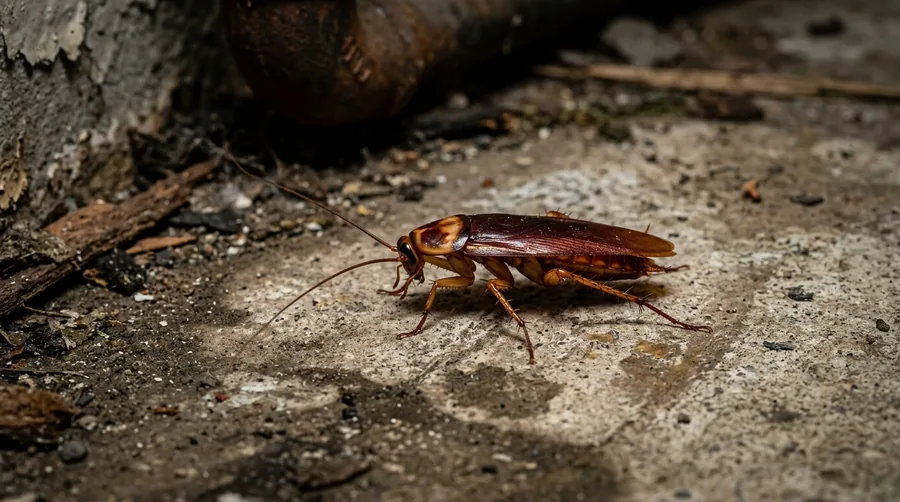
American Cockroach
Humid weather and drains keep large roaches active most of the year.
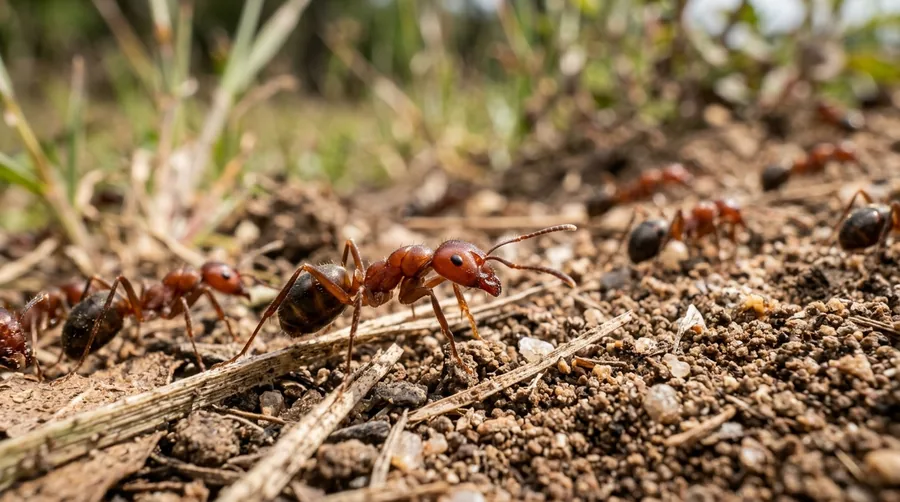
Red Imported Fire Ant
Stinging mounds are a fixture of Central Texas lawns.
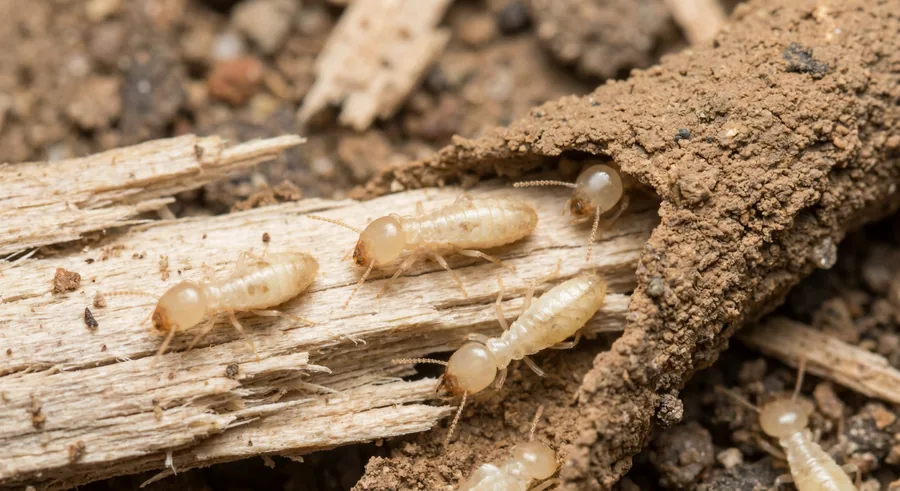
Subterranean Termite
Clay soils and slab homes make subterranean termites a steady threat.
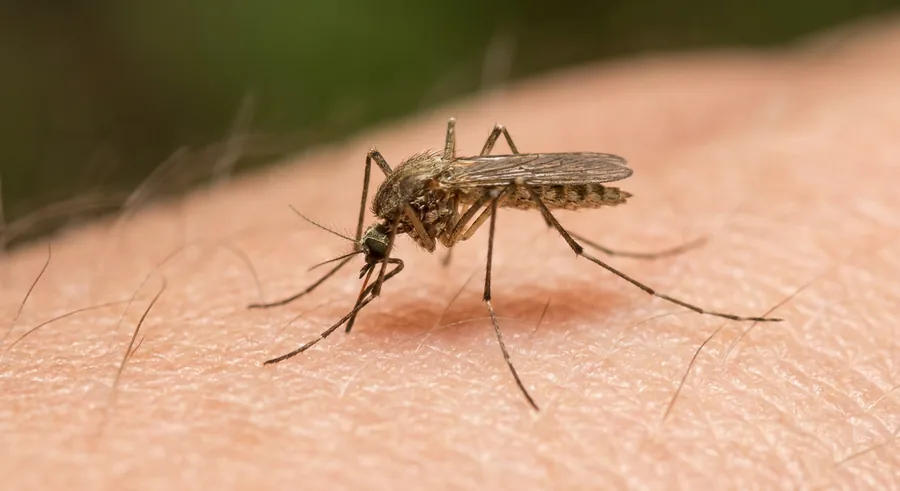
Northern House Mosquito
Local Culex mosquitoes drive summer West Nile virus risk.
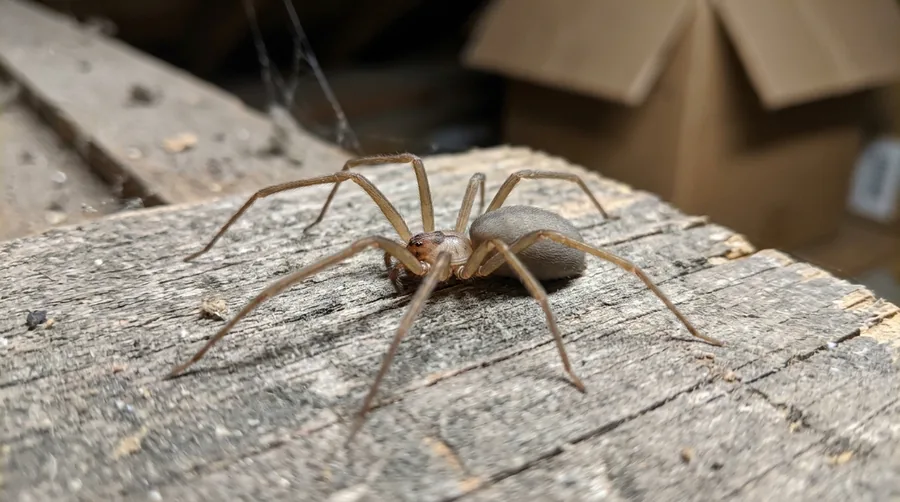
Brown Recluse Spider
A venomous spider that hides in boxes, attics, and closets across Central Texas.
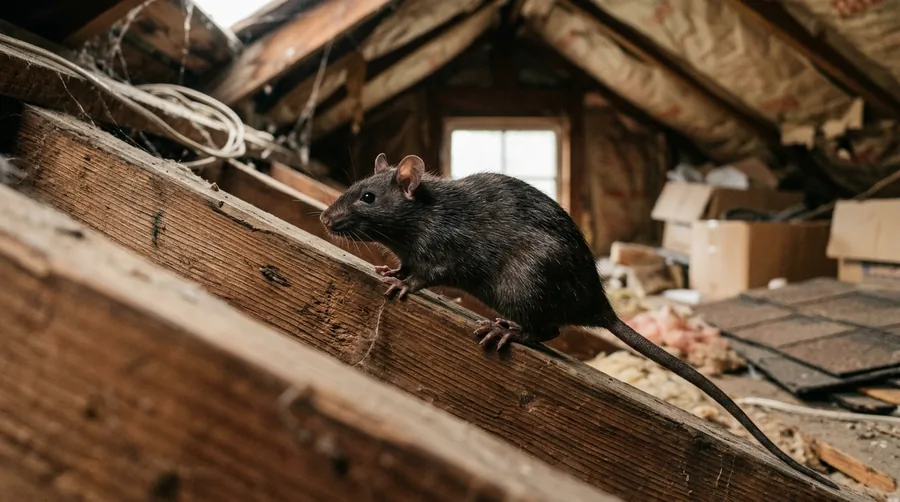
Roof Rat
Common in attics and the tree canopy of established neighborhoods.
The Pests Austin Homeowners Deal With Most
Austin sits where Central Texas farmland meets the limestone edge of the Hill Country, and that mix of rapid suburban growth, clay soils, and warm humidity gives the city a wide pest roster. The American cockroach is the one most families notice first. These large reddish-brown roaches breed in storm drains, sewer lines, and mulch beds, then push indoors through floor drains, garage gaps, and around water heaters during dry spells or heavy rain. In older Central and East Austin homes built on pier-and-beam foundations, they often move up from damp crawl spaces into kitchens and bathrooms.
Red imported fire ants own the lawns. Their dome-shaped mounds appear across St. Augustine turf, greenbelts, and sports fields all over the metro, and they rebuild fast after mowing or rain. A disturbed mound triggers swarming, stinging workers, which makes them a real concern for kids and pets in South Austin and Round Rock backyards.
Subterranean termites work quietly below the surface. Austin's expansive clay soils shrink and crack in summer heat, opening channels that let termites reach slab foundations and the wooden framing of homes across Pflugerville, Cedar Park, and the central neighborhoods. Mud tubes on pier stems and garage walls are the usual first sign.
Northern house mosquitoes, a Culex species, breed in stagnant water such as clogged gutters, plant saucers, storm inlets, and low spots that hold water after a Hill Country downpour. They bite in the evening and are the mosquito tied to local West Nile virus activity each summer.
Brown recluse spiders are the pest that unsettles people most. They favor undisturbed, dry spaces: attics, closets, garages, and stored cardboard boxes. Austin's many relocating households mean boxes often sit untouched for months, which is exactly the habitat a recluse prefers.
Roof rats round out the list. They travel the tree canopy and utility lines of established neighborhoods like Hyde Park and Tarrytown, entering attics through roofline gaps, soffit vents, and overhanging limbs. Once inside, they gnaw wiring and nest in insulation. Together these six pests explain why so many Austin homes rely on a sealed perimeter, attic checks, and yard treatment rather than a single spray.
Pest Season in Austin, Month by Month
In January and February, activity is at its lowest. Roof rats and roaches shelter in warm attics and wall voids rather than disappear, so winter is the ideal window for exclusion work and setting rodent bait before spring breeding.
March and April bring the first big shift. Warming soil triggers subterranean termite swarms, usually on humid days after rain, when winged reproductives leave the colony. Fire ant mounds become active again, and the first mosquitoes appear in standing water.
May through August is peak season. Fire ants forage and sting through the heat, mosquitoes breed in every container that holds rainwater, and American cockroaches are at their most visible as they seek moisture indoors during dry stretches. Brown recluse sightings tend to climb in mid to late summer as the spiders move within homes.
September and October stay warm, and mosquito and ant pressure continues well into fall. As the first cool fronts arrive, roof rats and roaches begin testing the building envelope for a way indoors, making autumn the key sealing-and-exclusion window.
November and December bring a gradual slowdown, though Austin's mild winters never fully stop activity. Rodents press hardest indoors as nights cool, so year-end is a smart time to confirm attic and garage entry points are closed.
Why Austin Homes Are Vulnerable
Austin's vulnerability starts with its clay-heavy soils. The Blackland Prairie clays east of I-35 expand when wet and contract when dry, and that constant movement cracks slabs and opens hairline gaps that give subterranean termites and ants direct routes to foundations. West of the city, thin soils over limestone push wildlife and pests toward the moisture and shelter that homes provide.
The humid subtropical climate is the second factor. Long, hot summers combined with sudden heavy rain create the standing water mosquitoes need and the humidity roaches thrive in. The region's rapid growth is the third: new subdivisions push into former ranchland and Hill Country brush, bringing homes into direct contact with recluse spiders, rodents, and insects that already lived there.
Housing style matters too. Older central neighborhoods often have pier-and-beam foundations and crawl spaces that stay damp and give roaches and rodents room to nest, while the mature tree canopy over established streets hands roof rats a highway to the roofline. Newer slab homes are not immune, since settling and soil movement still create the small gaps pests exploit. Add abundant mulch, irrigation, and greenbelt access, and most Austin properties offer pests food, water, and a way in within a few feet of the walls.
DIY vs. Calling a Pro in Austin
Some Austin pest problems respond well to homeowner effort. Fire ant mounds can be knocked back with bait broadcast across the yard, mosquito breeding drops sharply when you empty saucers and clear gutters weekly, and basic roach pressure eases with sealed food, fixed leaks, and door sweeps. These steps are worth doing and cost little.
Other pests here justify a professional. Subterranean termites are the clearest case, because by the time you see mud tubes or swarmers they may already be in the framing, and proper treatment means soil-applied termiticide or bait stations that are not practical to install yourself. Brown recluse spiders warrant caution because of their bite, and a heavy attic roof-rat infestation needs trapping, exclusion, and sanitation done in the right order.
A reasonable Austin approach is layered: handle routine ants, mosquitoes, and light roach activity yourself, and bring in a licensed exterminator for termites, recluse concerns, and any problem that returns within weeks of your own treatment. If you are unsure what you are seeing, an inspection is cheaper than a wrong guess.
What Pest Control Costs in Austin, Texas
Pest control pricing in Austin follows national patterns, and getting an itemized quote in writing matters more than any single number. A one-time treatment for a specific problem typically runs in the range of about $150 to $300, depending on the pest, the size of the home, and how much of the property needs coverage. Ongoing quarterly service, the most common setup in a long-season climate like Central Texas, generally falls around $40 to $70 per visit, with each visit covering the perimeter and common entry points.
Termite work is priced separately and higher. Full subterranean termite treatment, whether liquid termiticide or a bait-station system, is a larger investment because of the labor and materials involved, and many Austin homes carry an annual termite agreement on top of general service. Specialty jobs such as heavy roof-rat exclusion, recluse-focused interior work, or a mosquito misting system also fall outside a standard plan.
Before you commit, ask for a written, itemized quote that lists the target pests, the treatment method, the number of visits, and exactly what is and is not included. That is the surest way to compare Austin exterminators fairly and avoid surprise add-ons.
How to Choose a Licensed Exterminator in Austin, Texas
In Texas, structural pest control is licensed by the Texas Department of Agriculture through its Structural Pest Control Service, and any company treating your home should hold a current license. Before you hire, verify the business and its applicator through the department's license search rather than taking a logo or claim at face value.
Ask a few direct questions. Confirm the company carries general liability insurance, ask which licensed technician will actually perform the work, and request the specific product and method they plan to use for your pest. A trustworthy Austin exterminator will explain the treatment, the expected timeline, and any warranty in plain language.
Get two or three written quotes so you can compare scope, not just price. Be cautious of red flags: high-pressure sales that push you to sign the same day, prices far below every other bid, a refusal to put terms in writing, or vague answers about licensing and insurance. Door-to-door offers claiming they were just in the neighborhood deserve extra scrutiny.
Our listings link directly to the Texas state license lookup so you can confirm any company yourself before scheduling. Verifying takes a few minutes and protects both your home and your budget.
10 Pest Control Companies in Austin, TX
Listed from public business data — owner-verified profiles with a published phone number. Contact any of them directly; we don't take your details or route your call.
- 1
Andy Howards Pest Control
Austin, TX 78701
Public listing only — not an endorsement, referral, or paid placement. Confirm details directly with the business.
- 2
X Out Pest Services
501 Congress Ave Ste 150-237, Austin, TX 78701
Public listing only — not an endorsement, referral, or paid placement. Confirm details directly with the business.
- 3
Dependable Pest Service Austin
118 E 6th St, Austin, TX 78701
Public listing only — not an endorsement, referral, or paid placement. Confirm details directly with the business.
- 4
Pulse Pest Control Austin
811 Brazos St, Austin, TX 78701
Public listing only — not an endorsement, referral, or paid placement. Confirm details directly with the business.
- 5
The Bug Master
1912 Smith Rd, Austin, TX 78721
Public listing only — not an endorsement, referral, or paid placement. Confirm details directly with the business.
- 6
Anytime Pest Elimination Austin
5555 N Lamar Blvd, Austin, TX 78751
Public listing only — not an endorsement, referral, or paid placement. Confirm details directly with the business.
- 7
Lasso Pest Control
2204 S L Davis Ave, Austin, TX 78702
Public listing only — not an endorsement, referral, or paid placement. Confirm details directly with the business.
- 8
Bulwark Exterminating
209 E Ben White Blvd #115, Austin, TX 78704
Public listing only — not an endorsement, referral, or paid placement. Confirm details directly with the business.
- 9
Be Bug Free Services LLC
4515 Menchaca Rd Ste 206, Austin, TX 78745
Public listing only — not an endorsement, referral, or paid placement. Confirm details directly with the business.
- 10
Berrett Pest Control
5214 Burleson Rd Ste 115, Austin, TX 78744
Public listing only — not an endorsement, referral, or paid placement. Confirm details directly with the business.
Listing data sourced from public business listings, as of September 1, 2026. Ratings are the businesses' publicly displayed customer ratings on the date shown and may have changed since. Request a correction or removal.
Pest Control in Austin, TX — FAQ
What are the most common pests in Austin, Texas?
The pests Austin homeowners report most often are American cockroaches, red imported fire ants, subterranean termites, Northern house (Culex) mosquitoes, brown recluse spiders, and roof rats. Roaches and fire ants are the year-round nuisances, termites are the main structural threat to slab and pier-and-beam homes, mosquitoes peak with summer rain, and roof rats move into attics through the tree canopy of older neighborhoods. Which ones you face most depends on your part of the metro and your home's age and construction.
Who is the best pest exterminator in Austin?
Pest Control for Home does not rank, endorse, or crown any single company as the best exterminator, and we are not paid by any pest control business. There is no honest one-size answer, because the right company depends on your specific pest, your home, and your budget. The dependable way to find a good one is to verify the company's license with the Texas Department of Agriculture's Structural Pest Control Service, read recent reviews from real local customers, confirm the business carries liability insurance, and collect two or three written quotes to compare. Our listings include license-lookup links so you can check any Austin company yourself.
How much does pest control cost in Austin?
Costs follow national ranges. A one-time treatment usually runs about $150 to $300, and ongoing quarterly service is commonly around $40 to $70 per visit. Termite treatment is priced separately and costs more because of the specialized materials and labor. Your actual price depends on the pest, the size of your home, and how much of the property needs coverage, so ask for a written, itemized quote before you commit.
Do I need termite protection in Austin?
Termites are a genuine concern in Austin because the area's expansive clay soils crack in summer and give subterranean termites easy access to slab and pier-and-beam foundations. Many local homes carry an annual termite agreement for that reason. Whether you need one depends on your home's construction, its history, and any signs of activity such as mud tubes or spring swarmers. A licensed inspection is the best way to decide, and catching termites early is far cheaper than repairing structural damage later.
Are brown recluse spiders common in Austin homes?
Brown recluse spiders do turn up in Central Texas homes, most often in dry, undisturbed places like attics, garages, closets, and stored cardboard boxes. They are not aggressive and typically bite only when trapped against skin, but a bite can be medically significant, so caution is sensible. Reduce the risk by decluttering storage, sealing boxes in plastic bins, shaking out shoes and clothing that have sat unused, and keeping firewood and debris away from the house. If you find them regularly indoors, a licensed exterminator can treat harborage areas directly.
When is mosquito season in Austin?
Mosquito activity in Austin generally runs from spring through fall, ramping up in April and peaking through the hot, wet summer months when rainfall leaves standing water. Northern house (Culex) mosquitoes are the species behind local West Nile virus activity, and they are most active around dawn and dusk. You can cut breeding sharply by emptying anything that holds water, such as saucers, buckets, clogged gutters, and low spots, at least once a week, and by keeping window screens in good repair.