Pest Control in Phoenix, AZ
Pest control in Phoenix, AZ is shaped by a hot, dry desert climate where pests move indoors chasing water and shade.
Listings below are shown for informational purposes only, using publicly available contact details. Pest Control for Home has no business relationship with the companies listed, does not vet or endorse them, and is not paid for any listing. Please confirm licensing, insurance, and pricing directly with a business before hiring.
Recommended Products


Common Pests in Phoenix, AZ
The pests that drive most Phoenix-area calls — tap any to see how to identify, prevent, and control it.
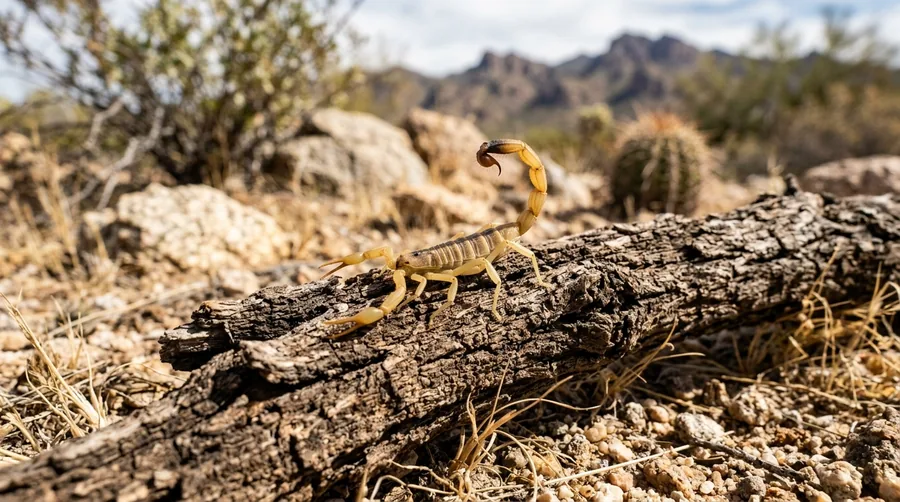
Arizona Bark Scorpion
The Valley's signature pest — venomous, nocturnal, and a strong climber that enters through tiny gaps.
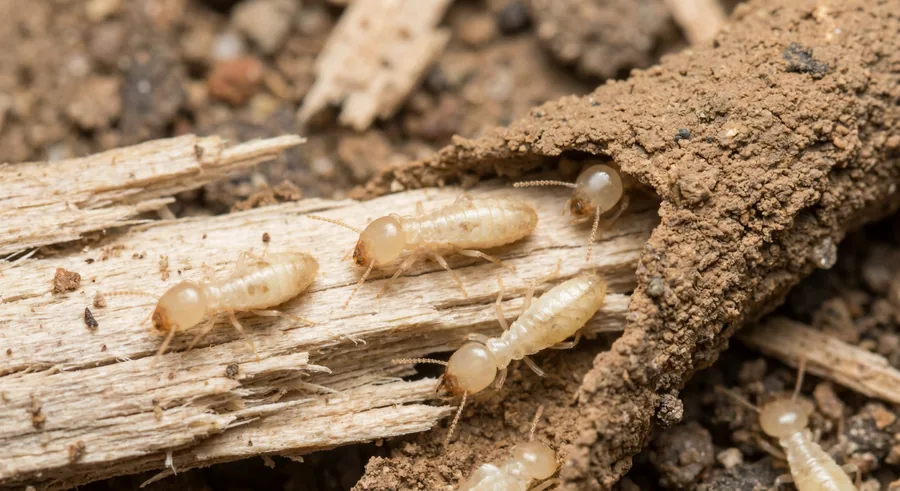
Subterranean Termite
Desert soils and irrigated foundations make subterranean termites a constant structural threat.
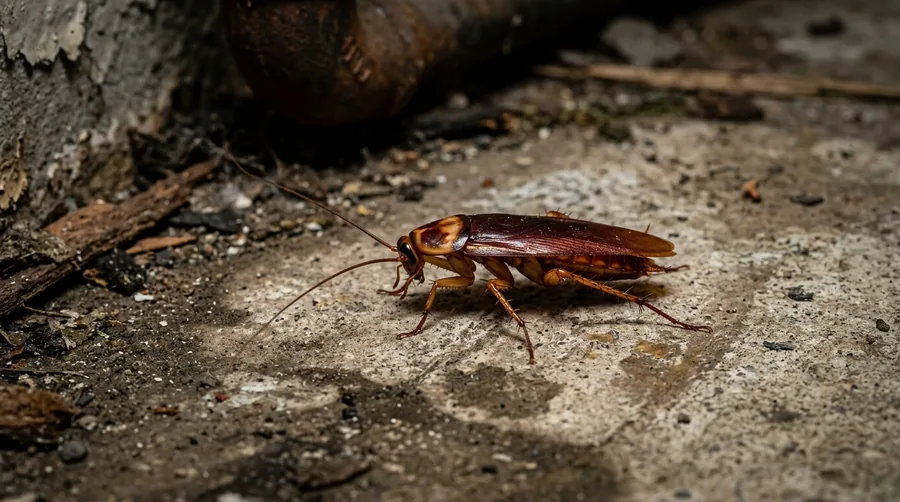
American Cockroach
“Sewer roaches” push up through drains and irrigation, especially in summer.
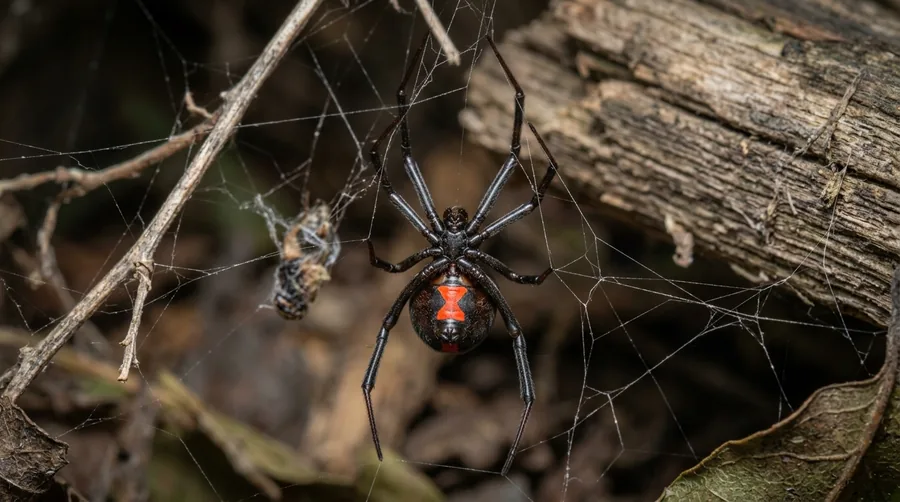
Black Widow Spider
Common in block walls, garages, and yard clutter across the Valley.

Roof Rat
Established across Phoenix's citrus and older neighborhoods, nesting in attics and palms.
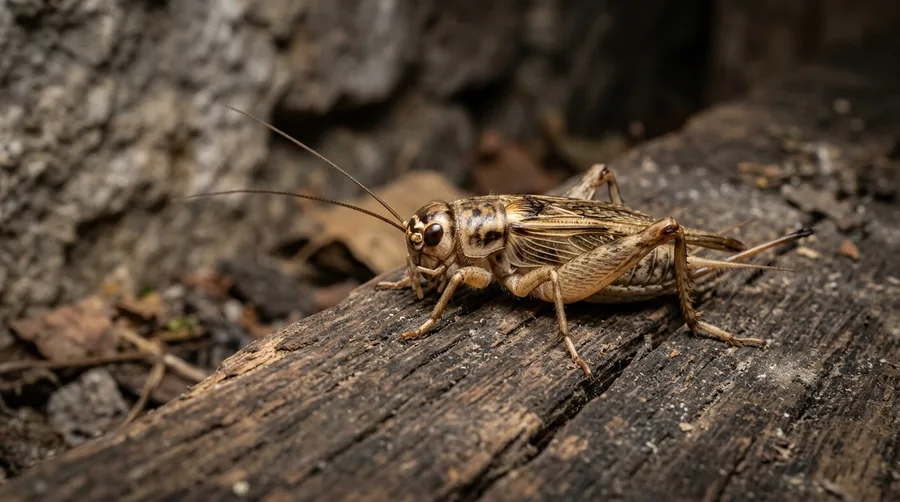
House Cricket
Monsoon humidity brings crickets indoors, drawing scorpions that feed on them.
The Pests Phoenix Homeowners Deal With Most
The Arizona bark scorpion is the Valley's signature pest and the one that drives most calls for pest control in Phoenix, AZ. Unlike other desert scorpions, it is a strong climber that can scale stucco and block walls, cling to ceilings, and slip through gaps as thin as a credit card around garage doors, weep screens, and rooflines. Indoors it heads for moisture and cool, dark corners such as bathrooms, laundry rooms, the cabinet under the kitchen sink, and the space behind baseboards. Because it glows pale green under a blacklight, a nighttime UV sweep of the patio and interior baseboards is the simplest way for homeowners to gauge how heavy their activity really is.
Subterranean termites are the second constant. Drip lines, flood-irrigated lots, and block-wall footings keep soil damp right against the foundation, which is exactly the environment these termites exploit. Most Phoenix homeowners discover them as pencil-width mud tubes climbing a garage stem wall or running along the slab edge, frequently in the weeks after a July or August monsoon swarm.
American cockroaches, the large reddish-brown insects many locals call sewer roaches, travel up through floor drains, sewer lines, and irrigation valve boxes, and they surface most in summer. A dry P-trap in a guest bath or a rarely used shower is a common entry point. Roof rats are firmly established in Arcadia, central Phoenix, and the older citrus neighborhoods, where they run along block walls, oleander hedges, and utility lines to nest in attics and the dead fronds of untrimmed palm trees.
Black widows round out the list, sheltering in irrigation boxes, block-wall cavities, garages, and under patio furniture and pool equipment. House crickets are more of a trigger than a threat: monsoon humidity draws them to porch lights and into garages, and because they are a favorite scorpion meal, a cricket problem tends to pull scorpions closer to the house. Knowing where each of these pests lives around a desert property is what separates effective Phoenix pest control from simply spraying a baseboard and hoping.
Pest Season in Phoenix, Month by Month
Spring (March through May): As nights warm past the mid-60s, bark scorpions leave their winter shelters and activity climbs steadily from April onward. Termite colonies grow active in the warming soil, and black widows begin rebuilding webs in garages and block walls.
Summer (June through August): This is peak season. Scorpion activity is worst on warm, still nights, and the monsoon, which typically runs from mid-June into late September, spikes humidity across the Valley. Those humid stretches bring crickets and American cockroaches out in force, and subterranean termites stage their heaviest swarms in the days after July and August storms.
Fall (September through October): Scorpions remain active well into October before slowing. Roof rats become far more noticeable as they forage on ripening citrus and move toward warm attics, making early fall the ideal window to seal entry points before the weather cools.
Winter (November through February): The mild desert winter slows pests but does not end the problem. Rather than disappearing, scorpions, roaches, and rodents shelter in warm wall voids, attics, and water heater closets, and scorpions often overwinter clustered together. Because activity never fully stops, winter is a smart time for exclusion and sealing work while pests are less mobile.
Why Phoenix Homes Are Vulnerable
In the Sonoran Desert, any home is an oasis. The surrounding landscape is hot and dry, so pests move toward the water, shade, and cooler temperatures that houses provide, and irrigated yards concentrate that pressure even further. A lawn on a flood-irrigation schedule or a bed on daily drip lines effectively invites termites, roaches, and rodents to the foundation.
Construction style matters too. The block-wall fences and stem walls common across the metro are honeycombed with cavities that give scorpions and black widows ready-made harborage, often just feet from the back door. Slab-on-grade homes with weep screens and expansion gaps leave narrow openings that a flat-bodied bark scorpion can exploit. Decorative granite, rip-rap, and rock landscaping laid right against the house create a cool, sheltered zone that scorpions favor during the day.
Geography and housing age add the final layer. The mature citrus trees and dense oleander of older neighborhoods support entrenched roof rat populations, while monsoon humidity gives crickets and roaches a seasonal surge that colder regions never see. Together these factors make Phoenix pest control an ongoing, prevention-first task rather than a one-and-done fix.
DIY vs. Calling a Pro in Phoenix
Plenty of desert pest work is genuinely DIY-friendly. Sealing gaps around garage doors and weep screens, adding door sweeps, pulling rock and mulch back from the foundation, decluttering the garage, knocking down black widow webs, and trimming palm skirts and oleander all reduce harborage and entry points. Reducing crickets around exterior lights, and keeping guest-bath P-traps filled with water, also cuts down on both roaches and the scorpions that follow them.
Some problems, though, are worth handing to exterminators in Phoenix. Bark scorpions are notoriously hard to control with store-bought sprays, because success depends on a coordinated perimeter treatment, meticulous gap sealing, and sometimes targeted interior work. Subterranean termites require professional soil treatment or a monitored bait system and should never be treated with a hardware-store product. A persistent roof rat presence in the attic, or any structural termite finding, is a clear signal to bring in a licensed pro rather than keep improvising.
What Pest Control Costs in Phoenix, Arizona
Pricing varies by home size, pest, and how much sealing a property needs, but national ranges are a useful anchor. A one-time treatment for a general pest problem typically runs about $150 to $300. Ongoing quarterly service, which suits the Valley's long scorpion and roach seasons, generally lands around $40 to $70 per visit. Termite and other specialty work is quoted separately and costs more, since soil treatments and bait systems are labor- and material-intensive.
Several local factors push Phoenix quotes toward the middle-to-upper end of those ranges. Effective scorpion control pairs a perimeter treatment with detailed exclusion work, and the region's termite pressure means many homeowners carry an annual termite plan on top of general service. Before signing anything, ask for a written, itemized quote that spells out the target pests, the treatment method, the number of visits, and what the warranty or re-service policy covers. That document makes it easy to compare exterminators in Phoenix on equal terms rather than on a single headline price.
How to Choose a Licensed Exterminator in Phoenix, Arizona
Start by confirming the company is licensed. In Arizona, structural pest control is regulated by the Arizona Dept. of Agriculture, Pest Management Division, and you can verify a business or applicator license directly through its online license search at https://searchagriculture.az.gov/mastercontent/licsearch.aspx. Ask the company for its license number and check it yourself rather than taking a logo or a claim at face value.
Beyond licensing, ask a few pointed questions: Is the company insured, and can it provide proof of liability coverage? Which products will be applied, where, and how often? What does the guarantee actually cover if scorpions or termites come back between visits? Get two or three written quotes so you can compare scope, not just price.
Watch for red flags. Be cautious with unsolicited door-to-door sales, high-pressure tactics, cash-only demands, refusal to put terms in writing, and anyone who promises to permanently eliminate bark scorpions, which no honest desert operator can guarantee. A reputable Phoenix pest control company will happily share its license, insurance, and a clear written scope.
10 Pest Control Companies in Phoenix, AZ
Listed from public business data — owner-verified profiles with a published phone number. Contact any of them directly; we don't take your details or route your call.
- 1
Eco Pest Control of Phoenix
101 N 1st Ave, Phoenix, AZ 85003
Public listing only — not an endorsement, referral, or paid placement. Confirm details directly with the business.
- 2
Anteater Exterminating Inc.
125 N 2nd St Ste 110 #411, Phoenix, AZ 85004
Public listing only — not an endorsement, referral, or paid placement. Confirm details directly with the business.
- 3
Phoenix Pest & Termite Control
2911 N 26th Ave, Phoenix, AZ 85017
Public listing only — not an endorsement, referral, or paid placement. Confirm details directly with the business.
- 4
1st Pest Control Phoenix
917 N 3rd St, Phoenix, AZ 85004
Public listing only — not an endorsement, referral, or paid placement. Confirm details directly with the business.
- 5
Shield Nest Pest Control
310 W Van Buren St, Phoenix, AZ 85003
Public listing only — not an endorsement, referral, or paid placement. Confirm details directly with the business.
- 6
Atomic Pest Control
Public listing only — not an endorsement, referral, or paid placement. Confirm details directly with the business.
- 7
Greenway Pest Solutions
2406 S 24th St Ste 125C, Phoenix, AZ 85034
Public listing only — not an endorsement, referral, or paid placement. Confirm details directly with the business.
- 8
Moxie Pest Control
4620 E Elwood St #12, Phoenix, AZ 85040
Public listing only — not an endorsement, referral, or paid placement. Confirm details directly with the business.
- 9
Western Exterminator
4246 E Wood St Ste 350, Phoenix, AZ 85040
Public listing only — not an endorsement, referral, or paid placement. Confirm details directly with the business.
- 10
Pest Control Phoenix AZ
3608 E Thomas Rd, Phoenix, AZ 85018
Public listing only — not an endorsement, referral, or paid placement. Confirm details directly with the business.
Listing data sourced from public business listings, as of September 1, 2026. Ratings are the businesses' publicly displayed customer ratings on the date shown and may have changed since. Request a correction or removal.
Pest Control in Phoenix, AZ — FAQ
What are the most common pests in Phoenix, AZ?
The pests Phoenix homeowners deal with most are Arizona bark scorpions, subterranean termites, American cockroaches (often called sewer roaches), black widow spiders, roof rats, and house crickets. The hot Sonoran Desert climate drives these pests toward the water and shade around homes, and irrigated yards plus block-wall construction give scorpions, termites, and rodents easy paths to the foundation.
Who is the best pest exterminator in Phoenix?
Pest Control for Home does not rank, endorse, or crown any company as the best, and we are not paid by any pest control business. Instead of chasing a single name, verify quality yourself: confirm the company's license through the Arizona Dept. of Agriculture, Pest Management Division, read recent local reviews, check that it carries liability insurance, and get two or three written, itemized quotes to compare. Our local exterminator listings provide links to the state license look-up so you can check any provider before you hire.
How much does pest control cost in Phoenix?
As a general guide based on national ranges, a one-time treatment runs about $150 to $300, and recurring quarterly service is typically around $40 to $70 per visit. Termite and other specialty treatments are priced separately and cost more. Scorpion sealing work and the Valley's termite pressure tend to push local quotes toward the mid-to-upper end, so always request a written, itemized quote before committing.
When is scorpion season in Phoenix?
Bark scorpion activity runs from roughly April through October and peaks on warm summer nights, especially during the monsoon. Scorpions do not vanish in winter; they shelter in warm wall voids and attics, so exclusion and sealing done in the cooler months pays off before activity ramps up again in spring.
Do I need year-round pest control in Phoenix?
Many Valley homeowners choose quarterly service because scorpions, roaches, and rodents stay active across a long season and simply move into warm structural voids in winter rather than disappearing. Whether you need year-round coverage depends on your pest pressure and how close your yard's landscaping and irrigation sit to the house, but ongoing prevention generally works better here than reacting to one problem at a time.
How do I verify a pest control license in Arizona?
Structural pest control in Arizona is regulated by the Arizona Dept. of Agriculture, Pest Management Division. You can confirm a company's license through its online license search at https://searchagriculture.az.gov/mastercontent/licsearch.aspx. Ask the provider for its license number and look it up before you hire, and confirm the business also carries liability insurance.