
Arizona Bark Scorpion
Centruroides sculpturatus · also called bark scorpion, Arizona bark scorpion
Quick answer
The Arizona bark scorpion (Centruroides sculpturatus) is a small, pale tan desert scorpion and the most venomous scorpion in the US. It climbs walls, hides in cool crevices, and glows under UV light. Its neurotoxic sting can cause severe symptoms, especially in young children, and an approved antivenom exists, so stings warrant prompt medical advice.
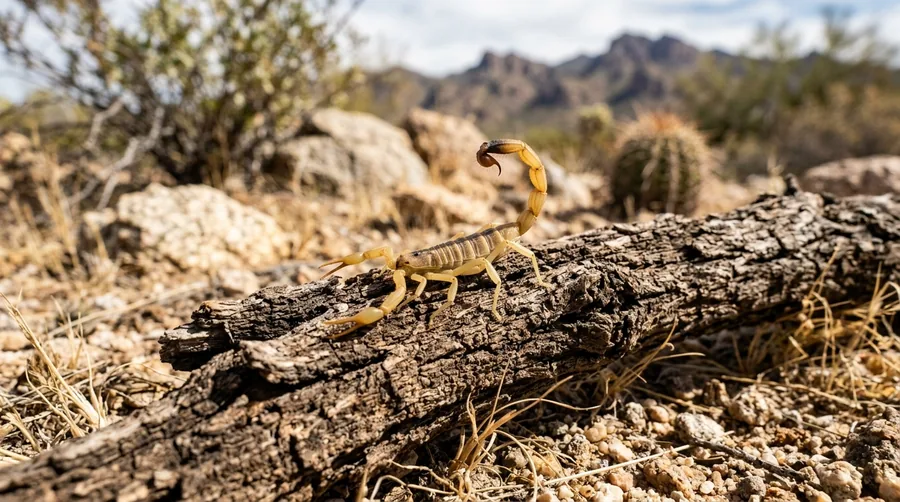
Small pale tan Arizona bark scorpion with slender pincers and a thin tail on a desert rock
Recommended Products
See the full ranking →


What it does
The Arizona bark scorpion is nocturnal, hunting insects at night and sheltering by day in cool, dark crevices. Unusually, it is an agile climber that can scale walls, screens, and trees, so it may be found off the ground and even on ceilings. Like all scorpions, it fluoresces blue-green under UV (black) light.
Where it lives
It favors cool, moist, sheltered retreats in a hot desert climate: under bark, rocks, and debris outdoors, and indoors in wall voids, closets, cabinets, and around plumbing. It is native to the Sonoran Desert region of the Southwest, especially Arizona, and readily enters homes seeking shelter and water.
How it breeds
Bark scorpions give live birth rather than laying eggs; the young ride on the mother's back until their first molt. They mature over one to a few years and can live several years. They often aggregate in groups, especially to overwinter, which is unusual among US scorpions and can concentrate numbers around a home.
What it eats
Arizona bark scorpions prey on insects and other small arthropods such as crickets, roaches, and spiders, seizing them with their pincers and using venom to subdue larger prey. They do not feed on people; stings to humans are defensive, typically when the scorpion is touched or trapped.
Identification
It is small and slender, about 2-3 inches, pale tan to light brown, with thin pincers and a thin tail, and often a faintly striped back in some individuals. The narrow pincers and slender body distinguish it from bulkier, less dangerous desert scorpions. UV light makes it glow, aiding nighttime detection.
Signs of an infestation
- Small pale scorpions found climbing walls or on ceilings
- Scorpions glowing blue-green under a UV black light at night
- Sightings indoors near plumbing, closets, and cool voids
- Scorpions under bark, rocks, and debris in the yard
- Multiple scorpions clustered together in a sheltered spot
Prevention tips
- Seal gaps around doors, windows, plumbing, and the foundation
- Install tight door sweeps and repair screens
- Remove yard debris, rocks, and woodpiles near the house
- Use a UV black light at night to find and remove scorpions
- Shake out shoes, clothing, and bedding in high-risk areas
Professional solutions
Because this is the most dangerous US scorpion and it climbs and hides in voids, professional control is recommended for infestations. A professional combines EPA-labeled treatments, harborage reduction, and sealing (exclusion), which is the most durable fix. DIY steps help, but confirmed indoor bark scorpion activity is best assessed by a pro.
Health & safety
Arizona bark scorpion venom is neurotoxic and its sting can cause severe pain, numbness, muscle twitching, and, especially in young children, breathing and neurological effects. An FDA-approved antivenom is available. Treat any sting to a child, or severe symptoms, as an emergency; call Poison Control at 1-800-222-1222 or seek immediate care.
Relevant Products




Frequently asked questions
How dangerous is an Arizona bark scorpion sting?
It is the most venomous scorpion in the US, and its neurotoxic sting can cause severe pain, numbness, and muscle twitching, with serious breathing and neurological effects possible in young children. An FDA-approved antivenom exists. Treat stings to children or severe symptoms as an emergency and call Poison Control at 1-800-222-1222.
How can I find bark scorpions in my home at night?
Bark scorpions glow blue-green under UV (black) light, so scanning walls, floors, and corners with a UV flashlight at night reveals them. Because they climb, also check higher surfaces and ceilings. Found scorpions can be carefully removed, and entry gaps sealed.
Why do bark scorpions come inside?
In the hot desert, they seek cool, moist shelter and insect prey, which draws them indoors through small gaps around doors, plumbing, and the foundation. They can climb walls and squeeze through tiny openings, so sealing entry points and reducing outdoor harborage are key to keeping them out.
Fact-checked by Morgan Vance, Editorial Director (editorial review, not a professional pest-control or medical sign-off). Last reviewed May 14, 2026. We correct anything a reader shows us is wrong — see our corrections policy.